

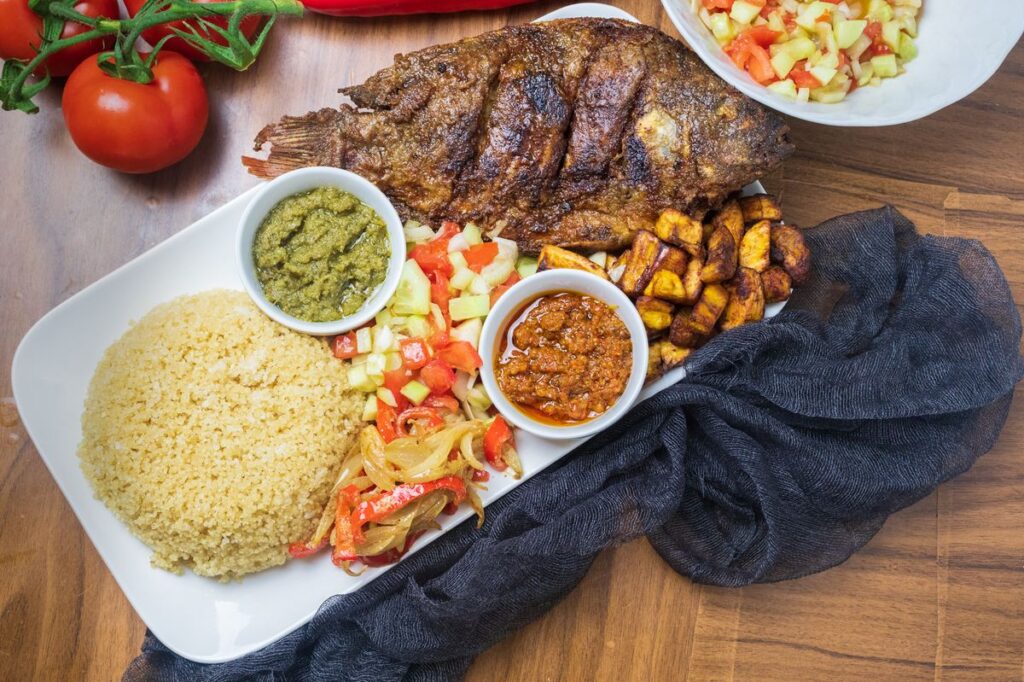
Attiéké, Ivory Coast’s iconic dish made from fermented cassava, has been inscribed on UNESCO’s Representative List of the Intangible Cultural Heritage of Humanity. This recognition was formalized at the 19th session for safeguarding intangible heritage held in Paraguay. The acknowledgment celebrates attiéké’s cultural significance, traditional preparation techniques, and its role in community life.
This recognition emphasizes the cultural and economic importance of attiéké, showcasing its deep roots in Ivorian identity and its widespread impact across West Africa. It underscores UNESCO’s mission to safeguard practices that connect communities and contribute to humanity’s collective heritage.
Attiéké, often nicknamed “Ivorian couscous,” is a staple made from grated, fermented cassava roots. Originating from the coastal regions of Ivory Coast centuries ago, it has become a culinary cornerstone across the country. The dish is versatile, often paired with grilled fish and served during meals and special ceremonies such as weddings, baptisms, and funerals.

More than just food, attiéké represents a livelihood for many women in Ivory Coast. Its production—an intricate, multi-day process—has been traditionally led by women and passed down from generation to generation. This tradition includes peeling, grating, fermenting, pressing, drying, and steaming the cassava pulp. These skills, central to its preparation, were also recognized as intangible cultural heritage.
According to Ramata Ly-Bakayoko, Ivory Coast’s UNESCO delegate, attiéké is “deeply rooted in the daily lives of its communities.” It is both a cultural and economic lifeline, empowering women through financial autonomy and sustaining households through its preparation and sale.
The UNESCO recognition highlights the importance of preserving not just the dish itself but also the traditional knowledge and skills associated with its preparation. The generational transfer of these skills ensures attiéké’s role as a cultural bridge in Ivorian society.
While attiéké is a source of national pride, it has also sparked regional debates. In 2019, the recognition of a Burkinabe entrepreneur for her work with attiéké at an Ivorian agricultural fair caused widespread uproar, emphasizing the dish’s strong ties to Ivorian identity.
Earlier in 2024, the African Regional Intellectual Property Organization (ARIPO) registered a collective trademark for attiéké to protect its authenticity, mirroring protections granted to champagne. This move aims to safeguard the cultural and economic value of attiéké against imitation in other regions.
Attiéké’s inclusion in UNESCO’s heritage list is an opportunity for Ivory Coast to further integrate its culinary heritage into its tourism offerings. Visitors can immerse themselves in its preparation process, connect with local producers, and experience its unique flavors during cultural tours and festivals.