

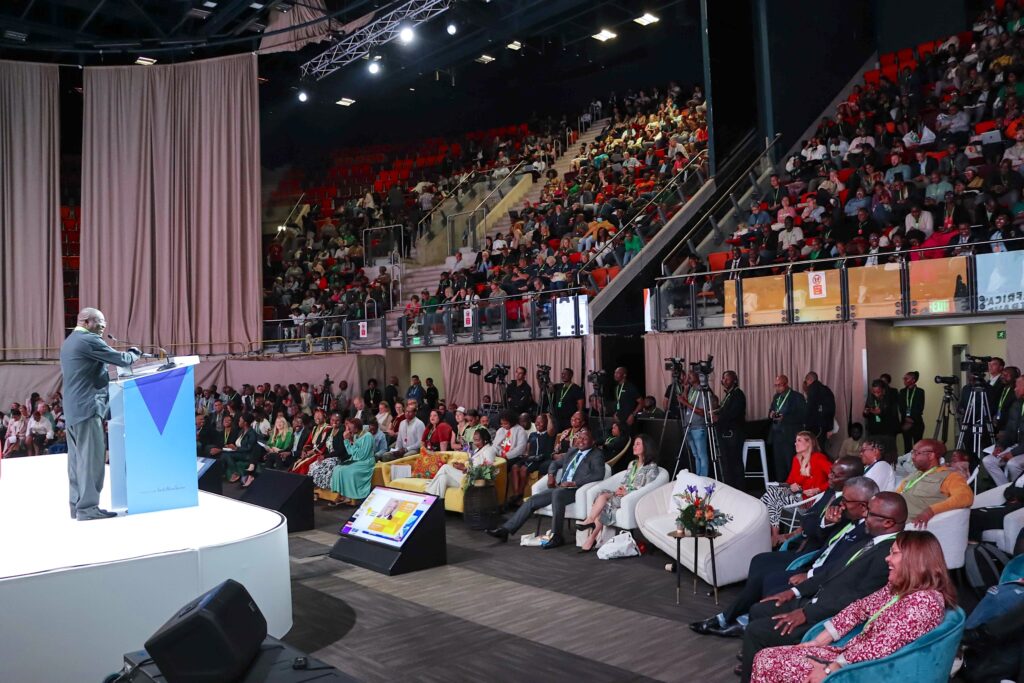
The global meetings, incentives, conferences, and exhibitions (MICE) industry is entering a new phase, and Africa stands at the forefront of this transformation. With major events such as the G20 summit making their mark on the continent, industry stakeholders are rethinking strategies, embracing data-driven approaches, and reimagining their role in shaping economies.
“The momentum of 2024 has just continually pushed us down the river at an accelerated rate,” Glenton De Kock, CEO of SAACI, a seasoned industry leader, reflects on the start of the year. While January is traditionally a slow period for business events, South Africa’s recent hosting of the Mining Indaba and the early in-person meetings for the G20 suggest a different narrative. Activity levels are soaring, and destinations across the continent are witnessing a surge in demand for MICE infrastructure and services.
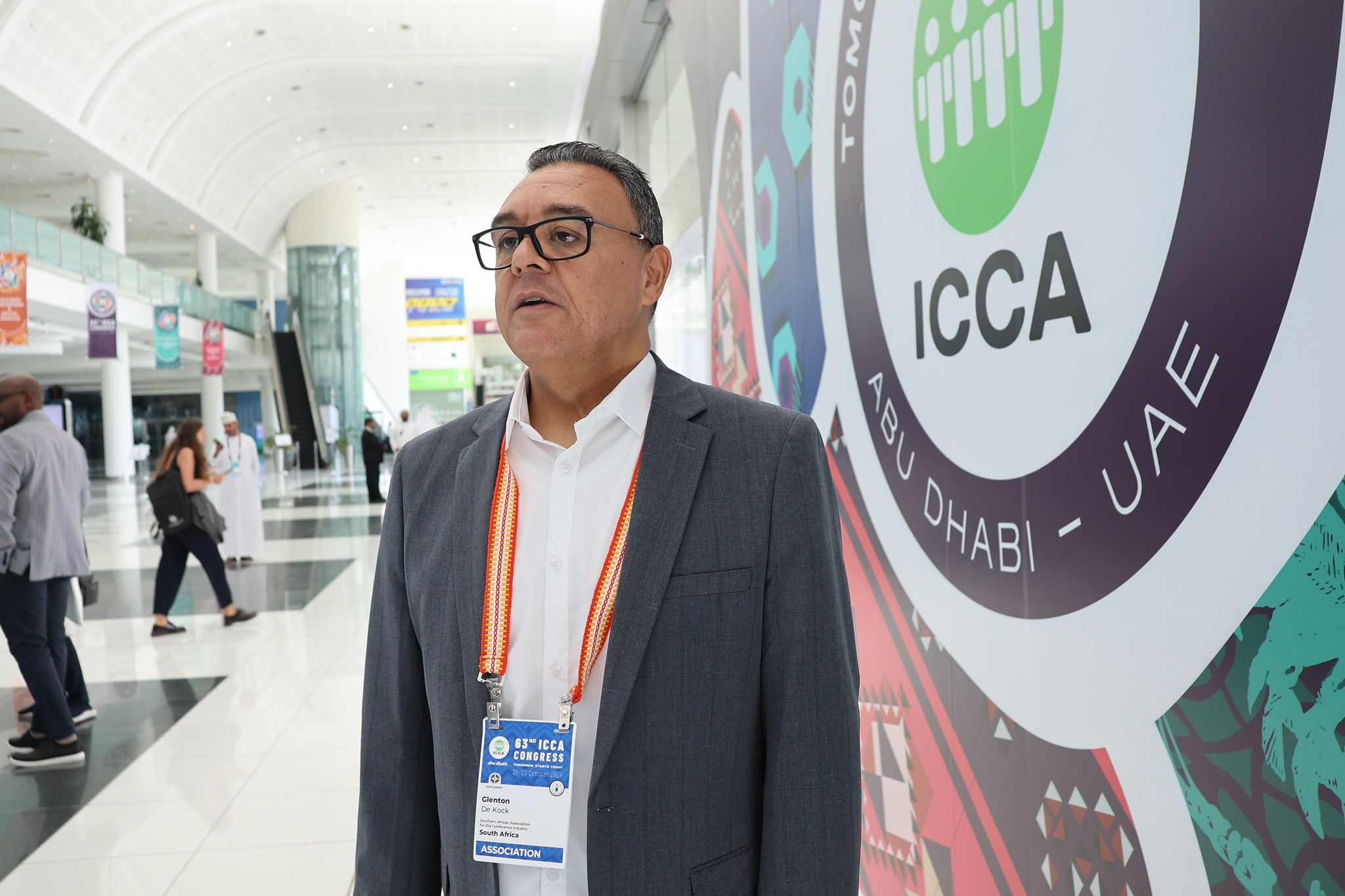
However, this rapid pace comes with its challenges. “Our industry has a tendency of not switching off completely,” Glenton notes, emphasizing the need for better work-life balance even in a field that thrives on constant engagement. Yet, the opportunities ahead outweigh the challenges, signalling a defining year for Africa’s MICE ecosystem.
The G20’s presence in South Africa in 2025 is a game-changer. With a structured approach that ensures every region hosts at least one major event, the initiative is creating unparalleled opportunities for local suppliers, venues, and service providers. “Our role is ensuring that our members understand the deliverables and complexities of these events,” Glenton explains. From PCOs (professional conference organizers) to AV companies and logistics teams, the industry is aligning itself to meet the global standards expected of such a high-profile gathering.
Beyond logistics, the G20 offers an opportunity to spotlight Africa as a premier business event destination. “It’s not just about event delivery; it’s about showcasing the destination itself,” Glenton says. With governments and private sector players collaborating, Africa’s positioning in the global MICE landscape is being redefined.

As Africa continues its upward trajectory in the MICE sector, several key trends are emerging:
1. Data-Driven Decision Making
The importance of accurate and real-time data cannot be overstated. “We are developing Meet IQ, a centralized portal where live data and reporting can be accessed,” Glenton reveals. This initiative aims to provide deeper insights into event impacts, supply chain dependencies, and economic contributions, allowing destinations to make informed decisions.
2. Professionalization and Accreditation
The industry is moving towards standardized accreditation for PCOs, ensuring a higher level of expertise and consistency in service delivery. “Entry into the industry needs structure. While accessible, there must be a framework that professionals adhere to,” Glenton emphasizes. This shift towards professional recognition will elevate Africa’s competitiveness on the global stage.
3. Sustainability as a Standard
Sustainability is no longer optional—it is a core principle guiding event planning. Legacy projects are becoming an integral part of MICE events, ensuring that host communities benefit long after a conference concludes. “Associations are embedding long-term impact strategies into their events,” Glenton observes, marking a shift from short-term engagements to enduring contributions.
4. Increased Collaboration Between Sectors
As major industries such as mining, finance, and pharmaceuticals host large-scale events, their interactions with MICE professionals are fostering knowledge exchange and innovation. “The crossover between corporate clients and our members has been remarkable,” Glenton notes, emphasizing how these collaborations will drive future growth.

5. Regional Expansion and Infrastructure Growth
Destinations across Africa are investing heavily in MICE infrastructure. With travel accessibility improving and new conference venues emerging, smaller cities are positioning themselves as viable alternatives to traditional hubs. “We’re seeing destinations stepping up, offering world-class facilities and services,” Glenton highlights, pointing to a broader continental shift.
Africa’s MICE sector is experiencing an evolution driven by data, collaboration, and sustainability. The foundation laid in 2024 is propelling the industry into a high-energy, opportunity-rich 2025. With the G20 as a catalyst and a concerted focus on professionalization, the continent is poised to assert itself as a formidable player in the global business events arena.
The industry’s ability to adapt, innovate, and maximize its strengths will determine its long-term success. As Glenton De Kock aptly puts it, “The work happening now is not just about the events of today—it’s about shaping the industry of tomorrow.”