
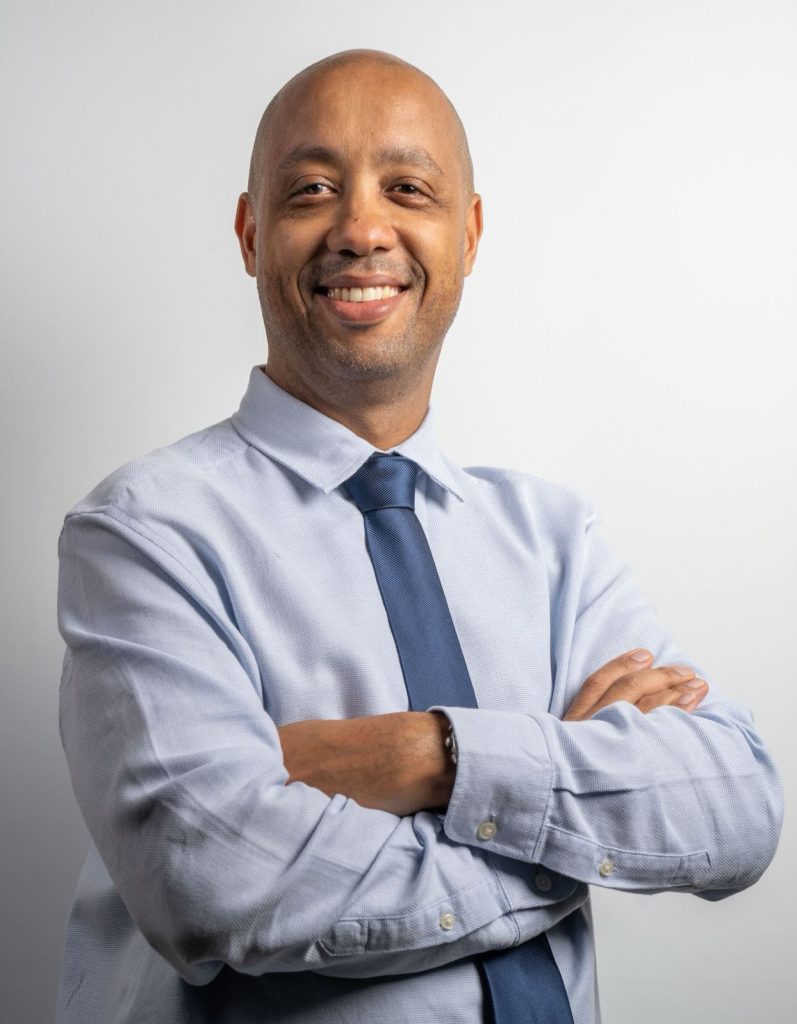
Photo: Roland Laljee, Director of Investment Promotion, Seychelles Investment Board
Seychelles is stepping up its investment drive with a sharper focus on diversification, sustainability, and facilitation for both foreign and local investors. At the heart of this effort is the Seychelles Investment Board (SIB), which plays a central role in guiding new capital into sectors that align with the country’s long-term ambitions.
“We’re the VIP of investment promotion in Seychelles,” said Roland Laljee, Director of Investment Promotion at the Seychelles Investment Board. “One of our main functions is to promote investment into Seychelles: what we call FDI, foreign direct investment: across various priority sectors identified by the government.”
Diversification beyond sun and sand
Tourism remains Seychelles’ leading sector, but Laljee was quick to highlight how its investment future is expanding. “The tourism board is doing a great job in marketing Seychelles as a destination,” he noted. “But the appeal from tourism now is: let them spend more. We’re leading the forefront to get diversification within the tourism sector; more cultural tourism, more sports tourism, for example beach soccer, and agro-tourism with the hiking trails.”
This diversification, Laljee explained, ties in directly with broader government goals. “It’s about diversifying the economy. That’s one of the roles we do; promote investment into the country in a way that aligns with national priorities.”
A one-stop shop for investors
For investors, SIB is designed to ease entry into the market and reduce unnecessary hurdles. “When an investor comes in, we’re basically a one-stop shop,” Laljee said. “They come in, we will advise them, and we will scope their projects on their behalf with referral agencies, be it tourism, the Ministry of Health, and so on.”
He acknowledged that bureaucracy can be frustrating, but stressed that the Board’s facilitation role helps overcome that. “The idea is to reduce the bottleneck and the frustration that exists around the world. A lot is being done to speed up the ease of doing business. Without compromising regulations, we want to make the process seamless.”
Emerging sectors: from renewable energy to aquaculture
Seychelles’ investment opportunities are not confined to tourism. Laljee outlined several areas that are “ripe and ready” for capital. “Renewable energy is a sector as a whole that is open for investment,” he said. “As a small island state, it makes sense for us to tap into solar energy, into the natural energy that we have, and reduce our dependency on fossil fuels. We’ve got key targets to reach by 2030 and 2050, and we’re on track.”
Other promising areas include ICT, education, financial services, and aquaculture. “Aquaculture is a huge opportunity,” Laljee said. “The sector is primed and it’s ready. Regulations are in place, policies are in place, areas have been identified. We’re really actively looking for investors to come in.”
Cruise tourism and cultural growth
Even within traditional sectors, Laljee pointed to untapped possibilities. Referring to Seychelles’ cruise tourism, he said: “The tourist comes in on a cruise ship, it’s like a day or two. There’s an opportunity for souvenirs, local crafts, culture, and food. People want to taste something different, they want to see and feel the country. As the sector develops, there is real space for auxiliary services to grow.”
Sustainable investment and balance
Laljee was clear that not all investment is welcomed unconditionally. “Obviously, the investors that come in be it new hotels or new guesthouses should have that sustainable aspect to it,” he said. “That reduces their footprint, which is part of the SDG investor map we have.”
The country’s moratorium on new tourism establishments reflects this balance. “As a very small island, we need to make sure it’s sustainable,” Laljee explained. “We need to ensure that in terms of waste management, water, sewage, and road infrastructure, we can sustain the demand. It’s a balancing act, but it’s good.”
Aftercare and long-term vision
Beyond entry facilitation, SIB also plays a long-term role. “You come in, you launch a project, and obviously there’s that follow-up as aftercare,” Laljee said. “Are you facing any challenges in terms of construction, in terms of operation? If we need to facilitate meetings between inter-departments, we will do that. We won’t let you fly solo.”
Looking ahead, he highlighted SIB’s vision: “It is to continue growing the economy, getting FDI coming in. One of our visions is to see a very nice spread: other sectors growing and maturing. Medium-term is to have regulations and policies in place so that we’re primed and ready. Long-term, you’ll see these investments growing, maturing, and contributing positively to the economy.”
For Laljee, it all comes back to Seychelles’ ambition to move beyond reliance on a single industry. “Diversification is key,” he concluded. “It’s about building resilience, attracting quality investment, and ensuring Seychelles remains competitive for generations to come.”