
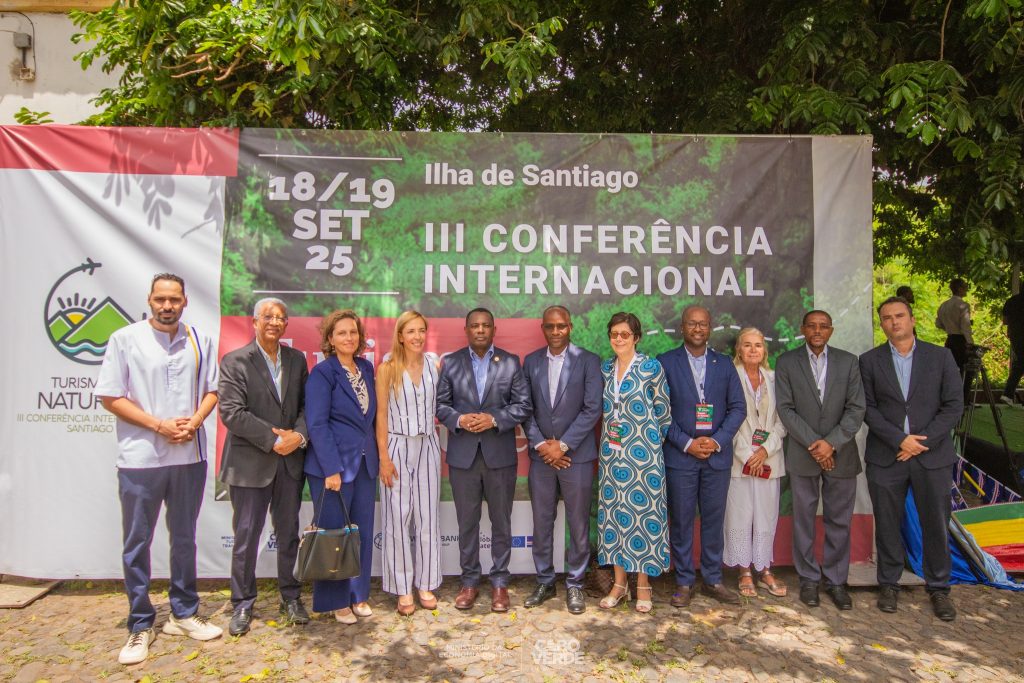
The 3rd International Conference on Rural and Nature Tourism concluded in Jao Domingoes, Cabo Verde, with a strong call for sustainable tourism development as the country seeks to diversify its tourism offerings beyond sun and beach attractions.
Speaking at the event, Cabo Verde’s Vice Prime Minister, Dr. Olavo Avelino Garcia Correia, emphasized the importance of preserving the country’s natural and cultural heritage, noting that tourism remains one of the nation’s most critical economic pillars.
“Tourism connects Cabo Verde to the world. Our duty is to protect and preserve what makes our islands unique,” Dr. Correia said. “We must promote a form of tourism that is sustainable, values-based, and leaves a positive impact on both visitors and local communities.”
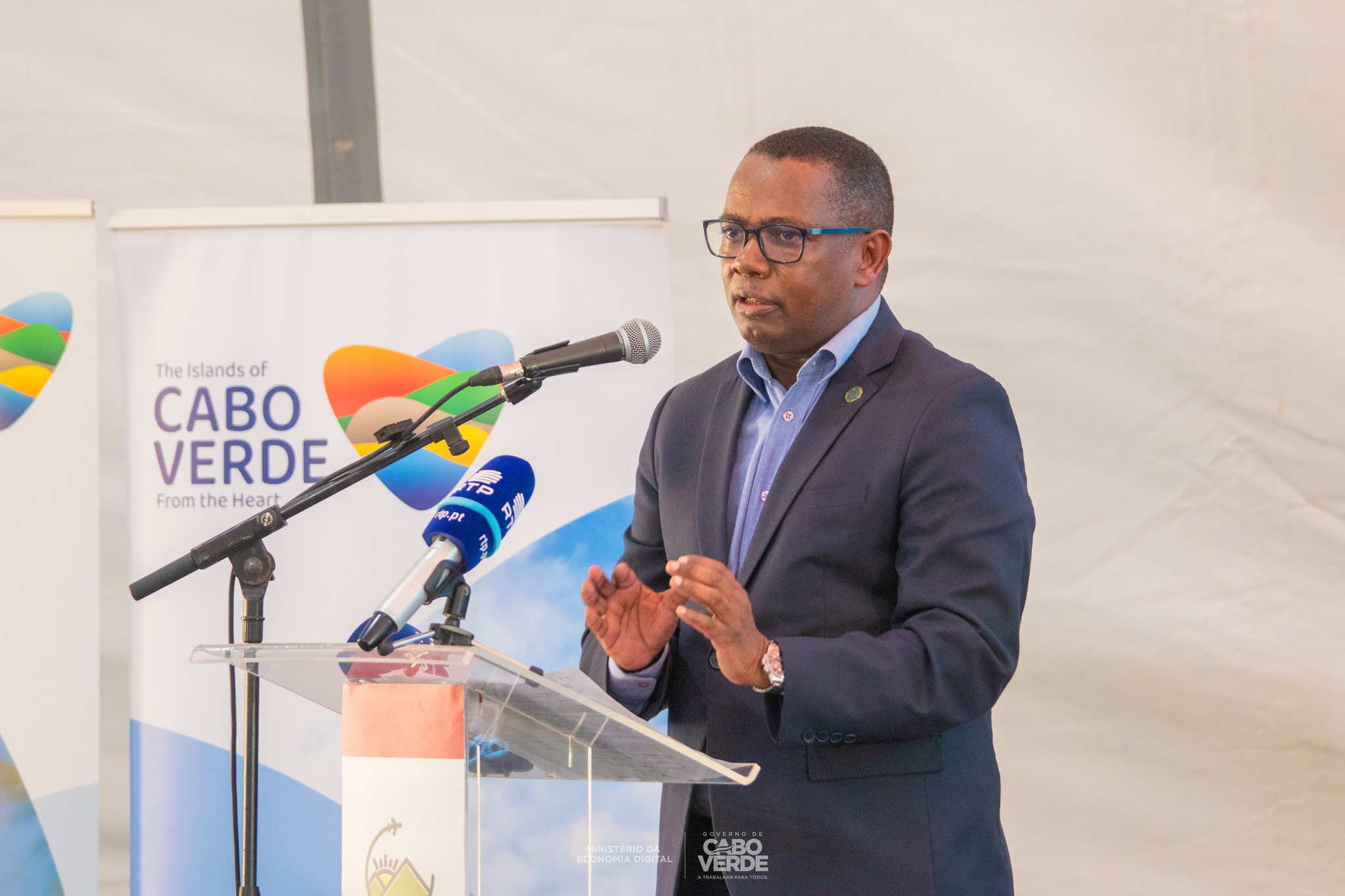
Cabo Verde’s Vice Prime Minister, Dr. Olavo Avelino Garcia Correia
The three-day conference, held as part of the country’s World Tourism Day celebrations, was organized by the Ministry of Transport and Tourism. It brought together policymakers, tourism professionals, academics, and international development partners to explore sustainable tourism strategies.
Key Challenges and Opportunities
Dr. Correia outlined four key challenges that must be addressed to fully realize the potential of nature and rural tourism in Cabo Verde:
- Aligning ambition with action by mobilizing financial resources to turn plans into tangible results.
- Bridging the gap between stakeholders, including the public and private sectors, civil society, and international partners.
- Reducing bureaucracy to accelerate implementation.
- Ensuring real impact by creating opportunities that promote dignity and well-being across all islands and communities.
He stressed the need to protect the country’s environment, marine ecosystems, and biodiversity, stating, “Only with a healthy and well-managed territory can we achieve balanced and sustainable development.”
Minister Reinforces Government’s Vision
Minister of Tourism and Transport, Dr. José Luís Sá Nogueira, reaffirmed the government’s commitment to decentralizing tourism by promoting lesser-known islands through rural and nature-based experiences. He highlighted the importance of infrastructure investments, particularly in air and sea transport.
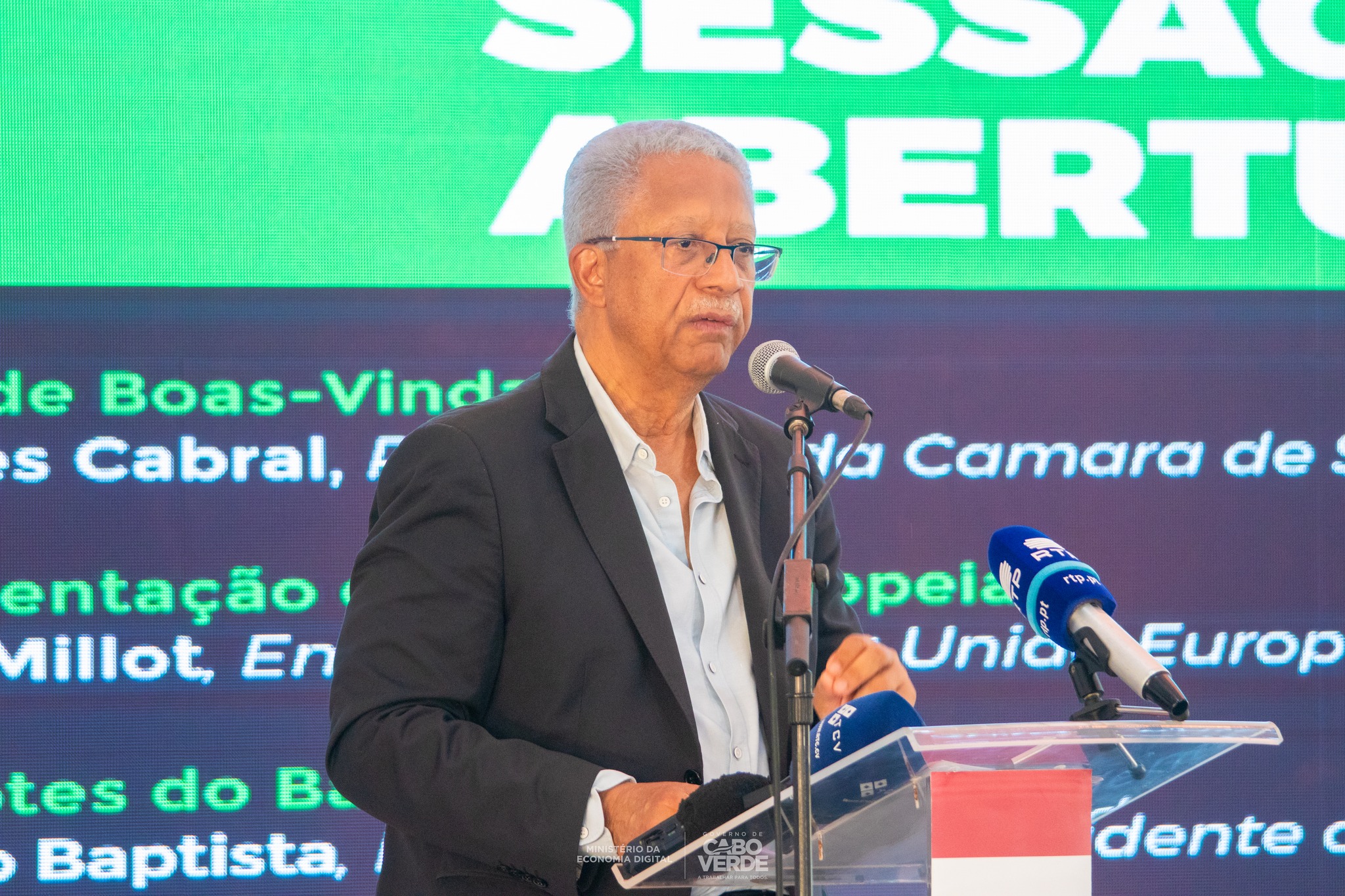
Dr. José Luís Sá Nogueira
“Each island has its own unique identity. Our goal is to make tourism more holistic, sustainable, and inclusive,” said Dr. Nogueira. “We are aligning our efforts with the Sustainable Development Goals and promoting a circular economy model.”
The minister pointed to recent progress, including the creation of the new domestic airline Linhas Aéreas de Cabo Verde and the arrival of two ATR aircraft, which will significantly improve inter-island connectivity—seen as vital for both economic growth and regional balance.
International Support for Cabo Verde’s Vision
The conference also featured international partners who reiterated their support for Cabo Verde’s sustainable tourism ambitions.
Dr. Sylvie Millot, European Union representative, praised the government’s commitment and confirmed the EU’s ongoing support for infrastructure projects and sustainable tourism initiatives.
“We want to help bring visibility to Cabo Verde’s diversity and potential. Our projects focus on sports, ecology, and sustainability to create opportunities for all,” Dr. Millot said.
World Bank Senior Specialist Antonio Manuel Baptista also highlighted ongoing investments in the restoration of historical sites and mobilization of additional funding to strengthen the tourism sector.
“Our objective is to unlock more opportunities and position Cabo Verde as a competitive and sustainable tourism destination,” said Baptista.
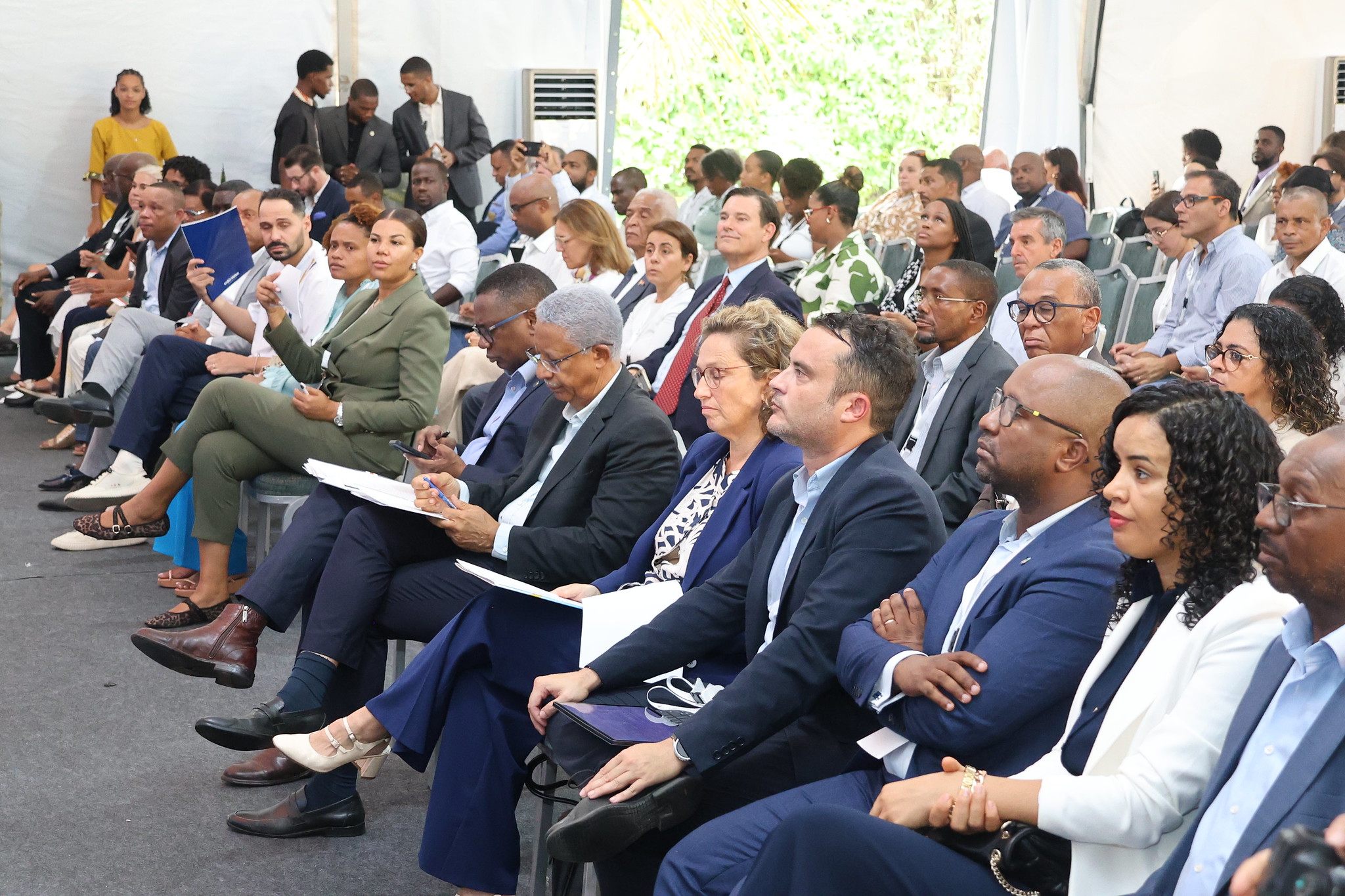
A Platform for Knowledge Exchange
The conference, now in its third edition, offered a dynamic program featuring national and international case studies and discussions on:
- Sustainable tourism in protected areas
- Adventure tourism and hiking trails
- Circular economy in tourism
- The tourism development process on Santiago Island
- Heritage preservation and rural tourism
Looking Ahead
With previous editions held on São Antão and São Nicolau, this year’s event in Santiago Island reflects the government’s continued efforts to decentralize tourism development and bring economic benefits to all regions.
Dr. Correia concluded by reaffirming Cabo Verde’s potential:
“Cabo Verde is a country of opportunities. Challenges must not block our vision. Tourism can and must serve as a lever for the development of other sectors.”
Click here to view photos of the event