
UNESCO has officially recognized a collection of African cultural traditions and practices, underscoring the continent’s rich and diverse heritage. The announcement was made on Wednesday, December 10, 2025, during the 20th session of the UNESCO Intergovernmental Committee in New Delhi, India.
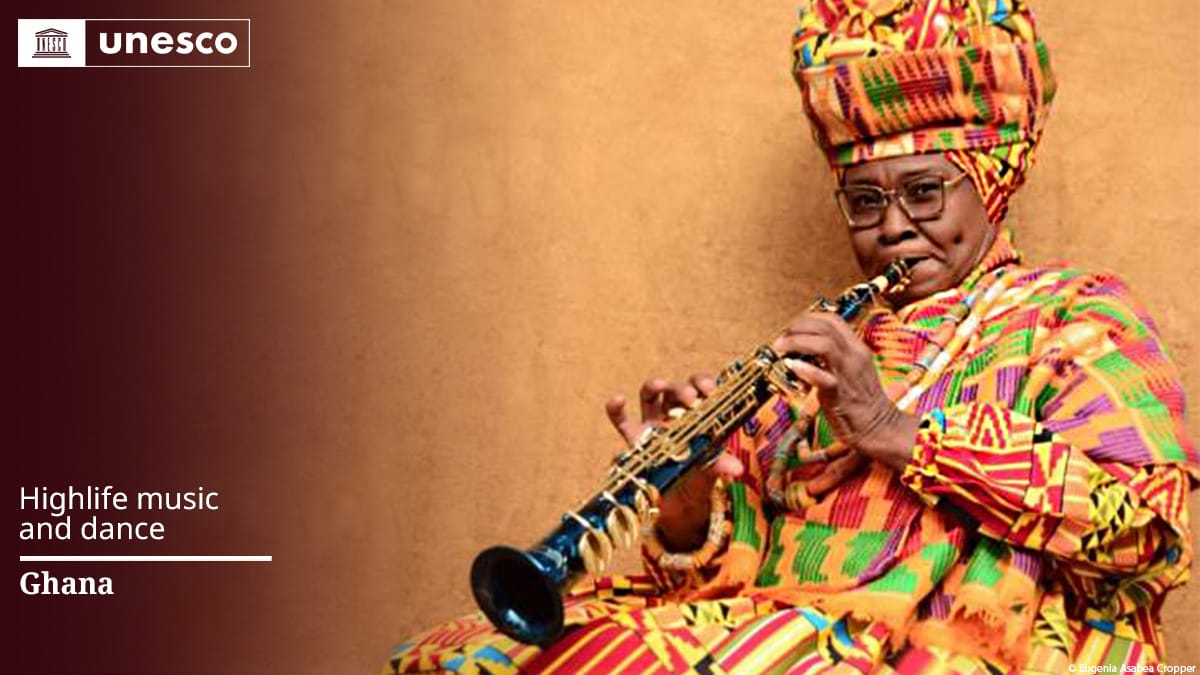
Among the newly inscribed traditions is Ghana’s Highlife music and dance, celebrated for its enduring influence on national consciousness and its role in shaping subsequent genres such as hiplife and Afrobeats. Highlife’s rhythms, horn arrangements, and storytelling reflect social issues, love, migration, and community life, connecting audiences across generations and social groups.
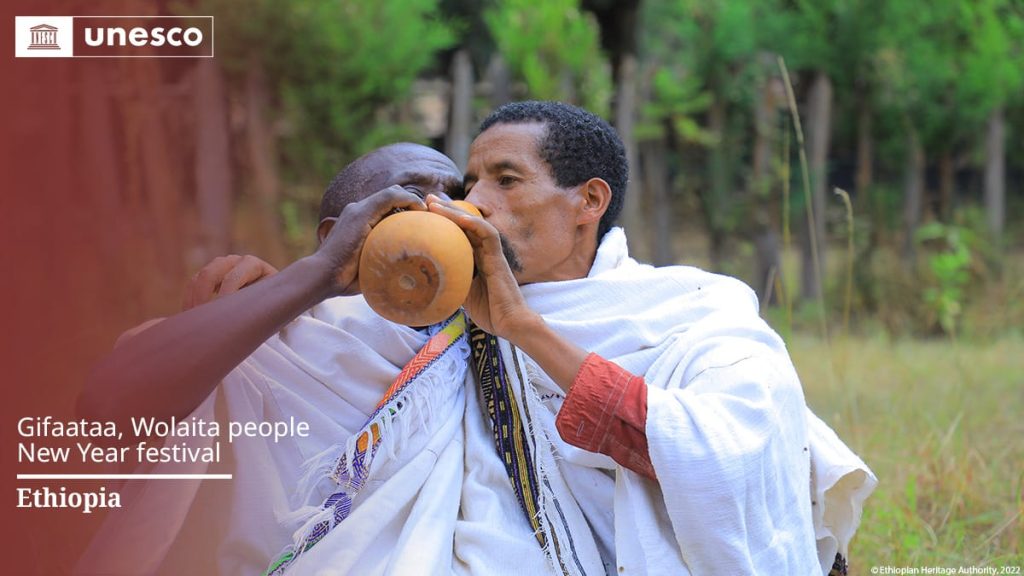
In Madagascar, the Tsapiky musical style, a rhythm characteristic of the south-western region, has been recognized for its distinctive expression and role in communal life. Ethiopia’sGifaataa, the Wolaita people’s New Year festival, has been acknowledged for its cultural significance, marking a central celebration in the annual calendar of the community.
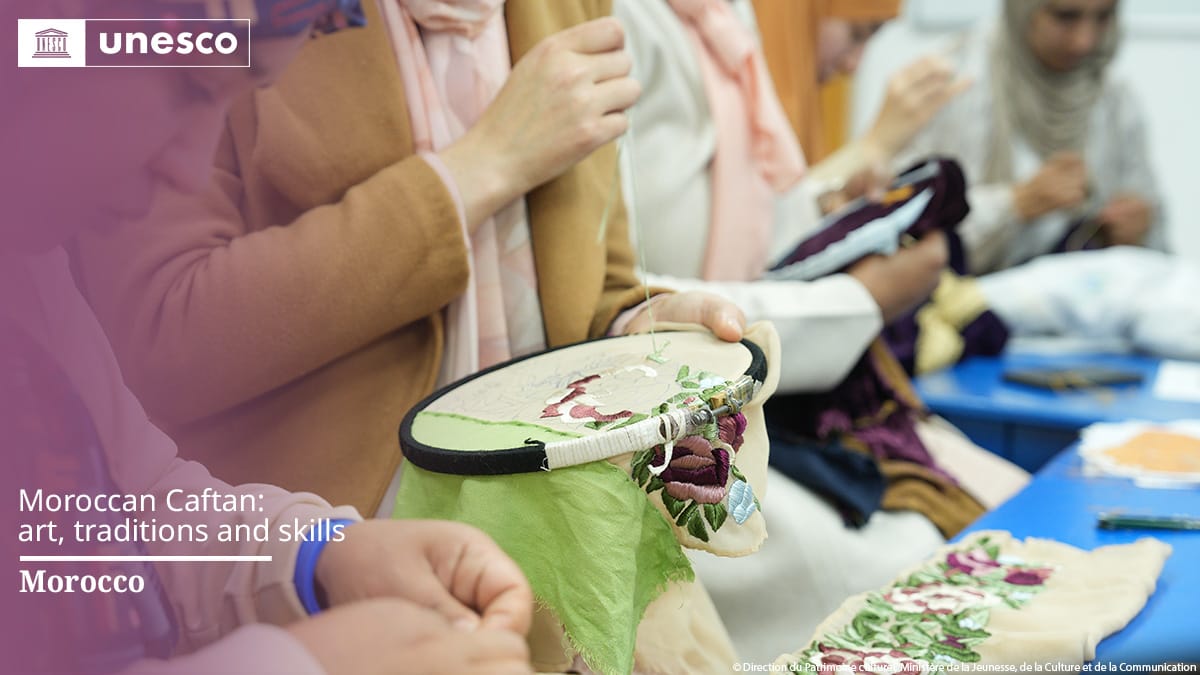
Morocco’s Caftan, representing arts, traditions, and skills, has been inscribed, highlighting the craftsmanship and cultural symbolism embedded in the creation and use of this traditional garment. Egypt’s Koshary, a daily life dish, alongside the practices associated with its preparation and consumption, has also gained recognition for its role in social and culinary culture.
In Chad and Cameroon, the Garuna practice, centered on pastoral, socio-cultural, and artistic retreats around livestock among the Massa people, has been recognized, reflecting the integration of daily life, art, and social cohesion. The Zaffa, observed in traditional weddings across Djibouti, Comoros, Mauritania, and Somalia, has been acknowledged for its ceremonial significance and the performative elements that accompany matrimonial celebrations.
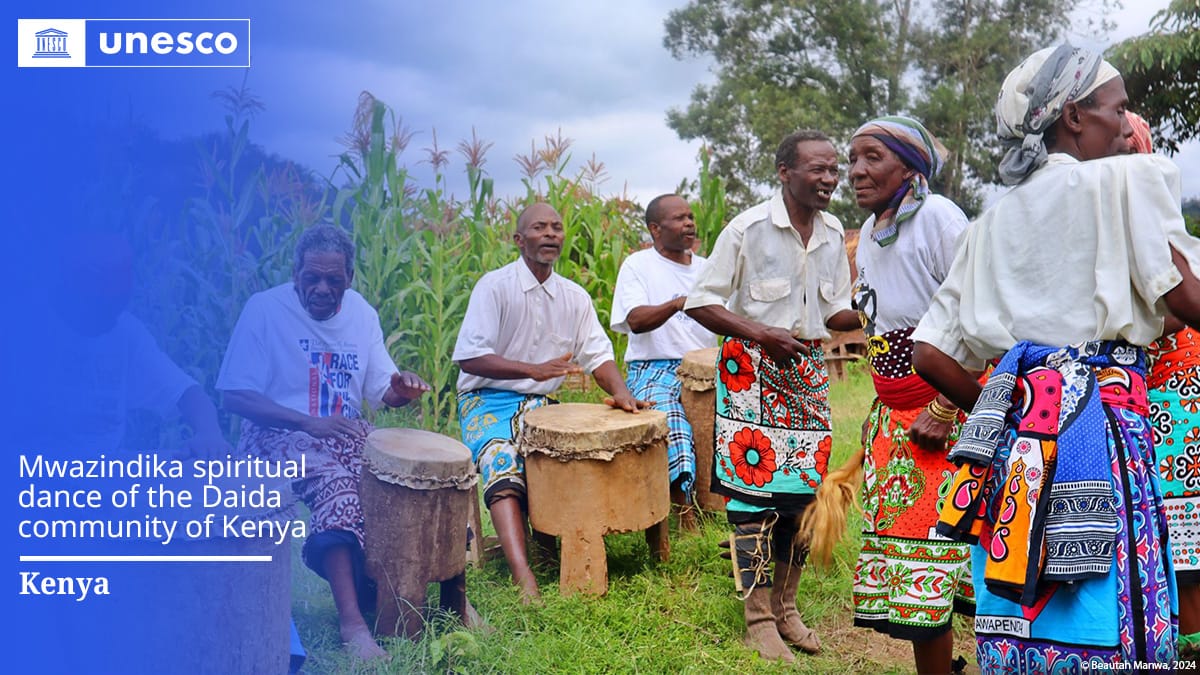
Finally, Kenya’s Mwazindika spiritual dance of the Daida community has been inscribed for its role in spiritual expression and the preservation of communal identity through music and movement.
This collective recognition by UNESCO not only affirms the cultural value of these traditions but also emphasizes their protection and transmission for future generations. By placing these practices on the Representative List of Intangible Cultural Heritage of Humanity, UNESCO ensures that these traditions are safeguarded as integral components of Africa’s cultural legacy, reinforcing their significance on the global stage.
The 2025 inscriptions serve as a milestone in celebrating Africa’s musical, culinary, artisanal, and ceremonial heritage, reflecting the continent’s diversity, creativity, and historical depth. These recognitions offer opportunities for cultural preservation, educational engagement, and the promotion of heritage-based tourism, strengthening the visibility and appreciation of Africa’s intangible cultural assets worldwide.