
As the landmark 20th edition of Meetings Africa drew to a close at the Sandton Convention Centre this week, the spotlight turned toward West Africa’s burgeoning role in the global business events landscape. Amidst high-level trade and networking, Gilbert Abeiku Aggrey, Deputy CEO (Marketing and Special Duties) of the Ghana Tourism Authority (GTA), provided a candid assessment of the journey, offering a vision that prioritises intellectual capacity over mere physical infrastructure.
The 2026 edition of the show, themed 20 Years of Connecting Africa to the World, served as a backdrop for Mr Aggrey to highlight the strategic shift required to make Ghana a global powerhouse for Meetings, Incentives, Conferences, and Exhibitions (MICE).
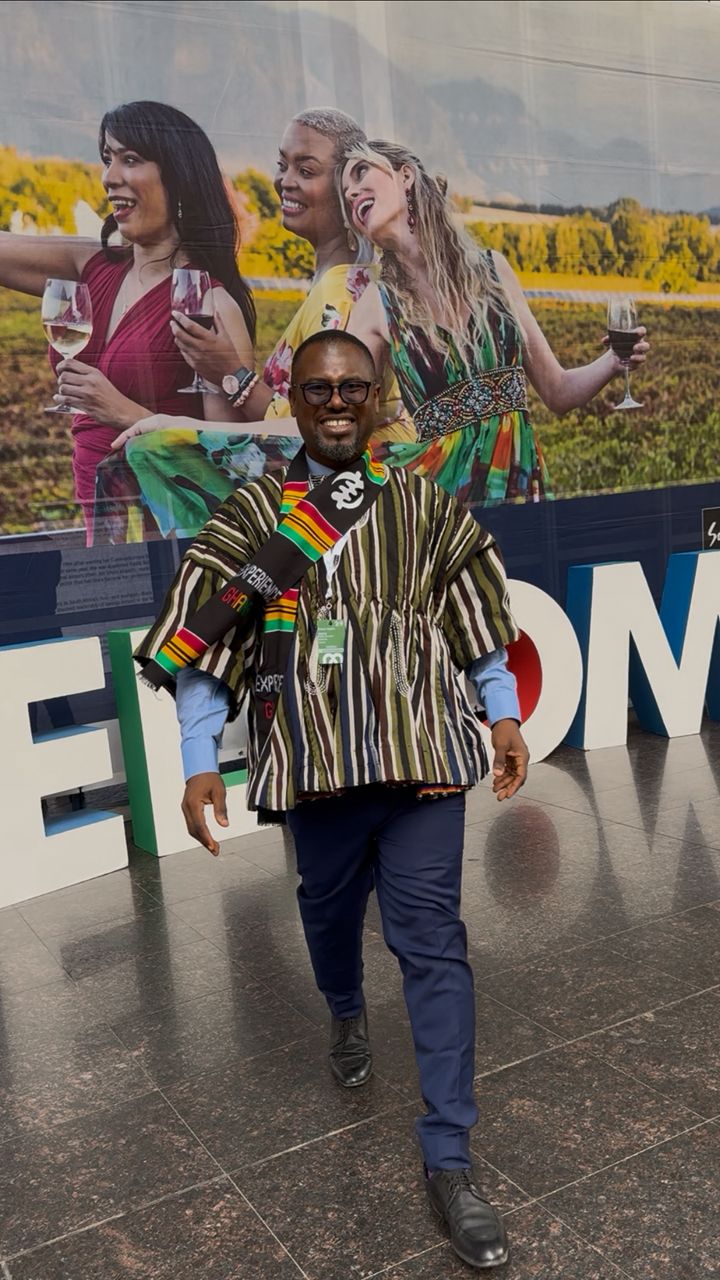
Gilbert Abeiku Aggrey, Deputy CEO, Ghana Tourism Authority
A Strategic Presence at the Sandton Convention Centre
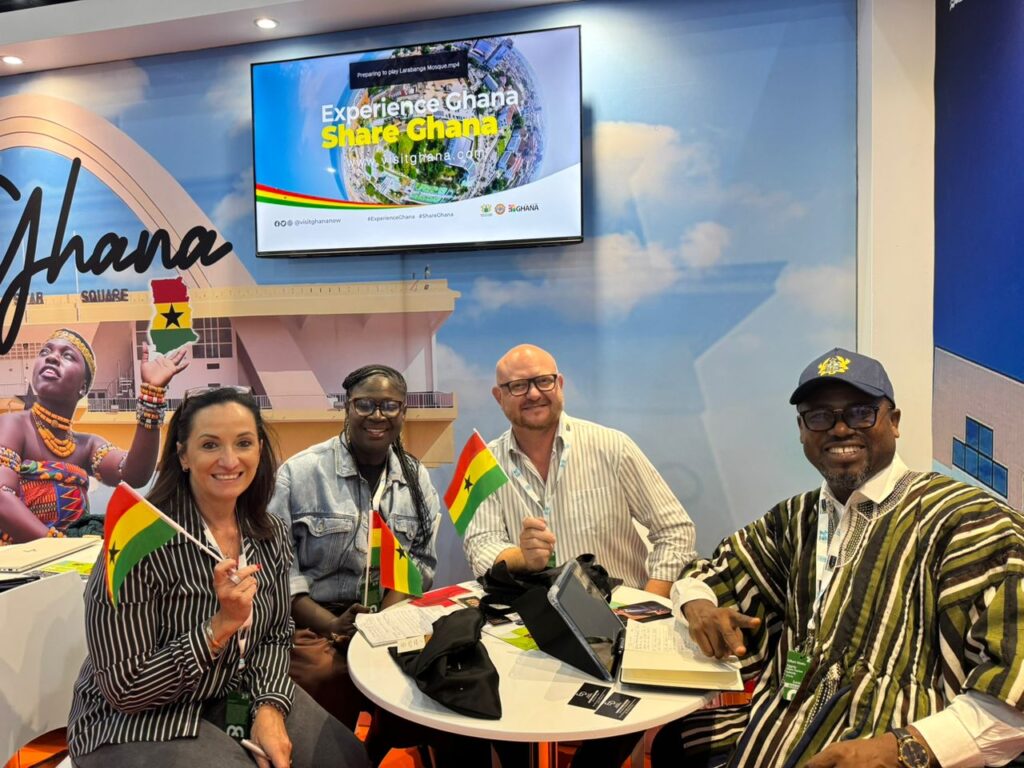
Led by Mr Aggrey, the Ghana Tourism Authority’s delegation – which included Mr Johnny Arthur-Quarm, Director for Research, Monitoring and Evaluation, and a dedicated team from the MICE unit – engaged in three days of intensive trade and matchmaking. They were joined by key private sector partners including Alisa Hotel, Central Hotel, and Torchlight Tours, presenting a united front for Ghana’s business tourism ecosystem.
For Mr Aggrey, participation in this premier trade show is a non-negotiable part of the country’s growth. “It is impossible to get a share of the MICE market – whether in Africa or globally – without attending such powerful industry meetings,” he noted. He observed that while Ghana often feels “lonely” as a primary MICE destination in its sub-region, the strategy is not to isolate. Instead, the GTA uses these platforms to sell the potential of West Africa as a whole, understanding that a stronger regional profile eventually flows back to benefit Ghana.
Perhaps his most striking reflection was a warning against the “build it and they will come” mentality. Mr Aggrey argued that the continent has seen enough underutilised infrastructure and that the future of the industry lies in understanding the business model before laying the bricks.
“It is important that we understand the business,” Aggrey explained. “You don’t build a sector when you don’t know how the whole business model works. We need to study the model of this business – the meetings, the conventions, and the exhibitions – so that when our governments build the infrastructure, we will be able to run it.”
He pointed out that several regions have historically invested in “huge structures” that failed to be sustained because the industry knowledge was not yet in place. To prevent this, Aggrey advocated for a “quadruple helix” of collaboration involving academia, the private sector, hospitality, and public service agencies. By involving academia, he believes the industry can bridge the human resource gap, ensuring that training and capacity-building are aligned with market needs and international standards.
Connectivity and the “Expensive” Barrier
The conversation inevitably turned to the logistical hurdles facing the region. Despite Ghana’s success in attracting major international airlines, the cost of intra-regional travel remains a significant deterrent.
“The conversation has grown on how to have a harmonised system,” Aggrey admitted. “Travelling within the West African region is often more expensive than travelling outside it. We need to tackle the readiness of our people about MICE as well as these costs before we focus solely on infrastructure.”
He stressed that even the most modern convention centre would fail if the tax regimes and air connectivity didn’t support the easy movement of delegates. For Aggrey, the goal is to ensure that the “destination Ghana” brand is synonymous not just with culture, but with efficiency and value.
As South Africa’s Minister of Tourism, Patricia de Lille, celebrated the event’s massive economic impact – creating over 2,600 jobs and contributing R690 million to the GDP – the blueprint for Ghana became clear.
For Gilbert Abeiku Aggrey, the takeaway from Meetings Africa 2026 is that the potential to solve unemployment and drive economic growth is within reach, provided the country does its “homework.” By blending Ghana’s cultural and heritage strengths with a sophisticated, knowledge-based approach to MICE, the nation is set to move beyond the pioneer phase and into a sustainable era of global leadership.