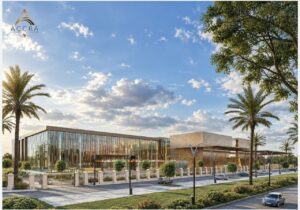


The Africa Medical Tourism Council has spotlighted medical tourism as Ghana’s next “gold mine,” unveiling a bold vision to transform the country into a leading healthcare travel destination in West Africa through stronger collaboration among industry stakeholders.
A high-level stakeholder engagement convened by the Africa Medical Tourism Council (AMTC) at the Pelican Hotel last week further stressed the momentum that is building for Ghana’s emergence as a leading medical tourism destination in West Africa,
The meeting, led by AMTC President Dr. Koby Appiah-Sakyi, brought together healthcare providers, hospitality players, and travel service stakeholders in a deliberate effort to deepen collaboration and align strategies for the growth of medical tourism in Ghana and the wider sub-region.
Dr. Appiah-Sakyi used the platform to outline the Council’s vision and progress since its formation two years ago, emphasising that medical tourism must be approached as a national development priority rather than a fragmented private-sector initiative.
“Medical tourism is a national product,” he stressed. “No one company, agency or individual can do it alone. It is about promoting the country as a whole, not just individual facilities.”
From concept to coordinated action
The AMTC was born out of a strategic meeting involving about ten key healthcare facilities in Accra, where stakeholders recognised the need for a unified platform to position Ghana competitively in the global medical tourism market. Since then, the Council has established an executive body, signed Memoranda of Understanding (MoUs) with participating institutions, and developed a framework of service standards and codes of practice.
According to Dr. Appiah-Sakyi, the Council has also set up a dedicated office, launched a website, and expanded engagement with both local and international partners. Efforts are currently underway to onboard non-medical service providers, including hotels and car rental companies, ensuring they align with agreed service standards to deliver a seamless patient experience.
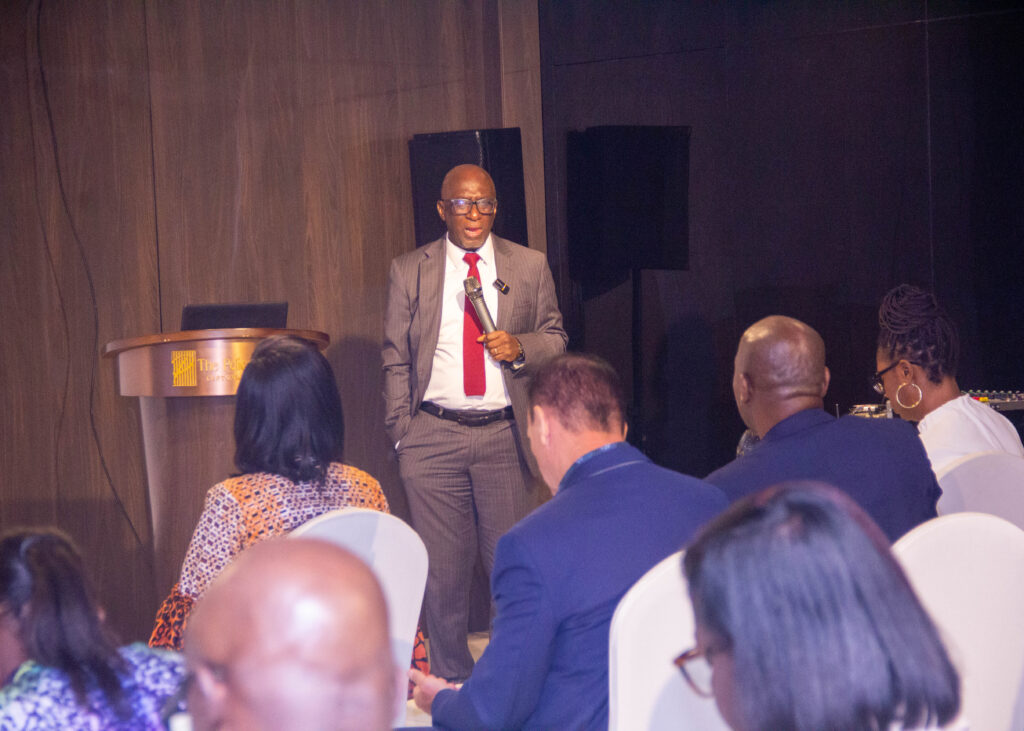
“We do not want to work in silos,” he explained. “This meeting is about bringing everyone together—from healthcare providers to hospitality and transport services—to build a coordinated system that delivers quality and consistency.”
Learning from global leaders
Drawing lessons from global success stories, Dr. Appiah-Sakyi highlighted countries such as Turkey and Thailand as benchmarks for Ghana’s ambitions. He noted that these countries have successfully leveraged strong public-private partnerships involving healthcare institutions, government agencies, and the tourism sector to generate significant revenue.
A delegation from the Council recently undertook study visits to Nigeria and Turkey to assess operational models and identify best practices adaptable to Ghana’s context.
“The success of Turkey, in particular, lies in its well-coordinated ecosystem—medical facilities, hotels, government, and travel services all working together. That is the model we are building here,” he said.
Untapped economic potential
The engagement also highlighted the significant economic opportunity medical tourism presents for Ghana. With the country already experiencing robust growth in its tourism sector—recording approximately $4.8 billion in revenue and 1.4 million international arrivals in 2025—stakeholders believe medical tourism could further boost earnings.
Dr. Appiah-Sakyi revealed that while the average spend of a regular tourist in Ghana stands at around $4,000, medical tourists typically spend between $8,000 and $10,000 per trip, with some spending as much as $20,000 depending on the procedures involved.
Currently, Ghana receives an estimated 50,000 medical tourists annually, many of whom benefit from relatively affordable healthcare services. However, the Council believes that attracting an additional 200,000 medical tourists could significantly increase national tourism revenue.
“The value is immense, but it is buried in collaboration,” he noted. “The stronger our coordination, the higher the value proposition for Ghana.”
A call for government and industry support
Participants at the meeting underscored the need for structured coordination, improved healthcare standards, and stronger regional partnerships to advance the medical tourism agenda. Key components identified include the establishment of a central coordinating body, enhanced communication systems among stakeholders, and active government support through relevant agencies.
There was also consensus that positioning Ghana as a medical tourism hub would require sustained investment in infrastructure, regulatory frameworks, and international marketing.
As Ghana continues to diversify its tourism offerings, the Africa Medical Tourism Council’s efforts signal a strategic shift toward high-value travel segments that combine healthcare excellence with hospitality and cultural experiences.
If successfully executed, stakeholders believe Ghana could not only retain outbound medical travellers but also attract patients from across Africa and the diaspora, firmly establishing itself as a competitive player in the global medical tourism industry.