
Africa’s Travel Indaba 2026 has closed in Durban with renewed confidence in the continent’s tourism economy, reaffirming its status not just as Africa’s premier tourism trade show, but as a strategic platform for economic growth, policy alignment, enterprise development and continental collaboration.
Hosted in the coastal city of Durban, in South Africa’s KwaZulu-Natal Province, under the theme “Unlimited Africa: Growing Africa’s Tourism Economy”, the 2026 edition of Indaba delivered a clear message – Africa’s tourism future lies in stronger intra-African trade, better destination packaging, and deeper cooperation between governments and the private sector.
For a continent navigating complex global headwinds, from geopolitical uncertainty to shifting travel patterns, Indaba 2026 demonstrated that Africa’s tourism sector is increasingly confident, pragmatic and market-focused.
A continental platform at a critical moment
Africa’s Travel Indaba arrived at a delicate time. In the weeks preceding the event, parts of South Africa experienced protests and sporadic attacks on foreign nationals, reigniting long-standing concerns around xenophobia and continental solidarity. There were quiet questions across the industry – would buyers attend? Would exhibitors pull back? Would Africa’s largest tourism trade show feel the strain?
Instead, Indaba unfolded with calm assurance, underlining the resilience of Africa’s tourism trade and its ability to separate social tension from economic intent.
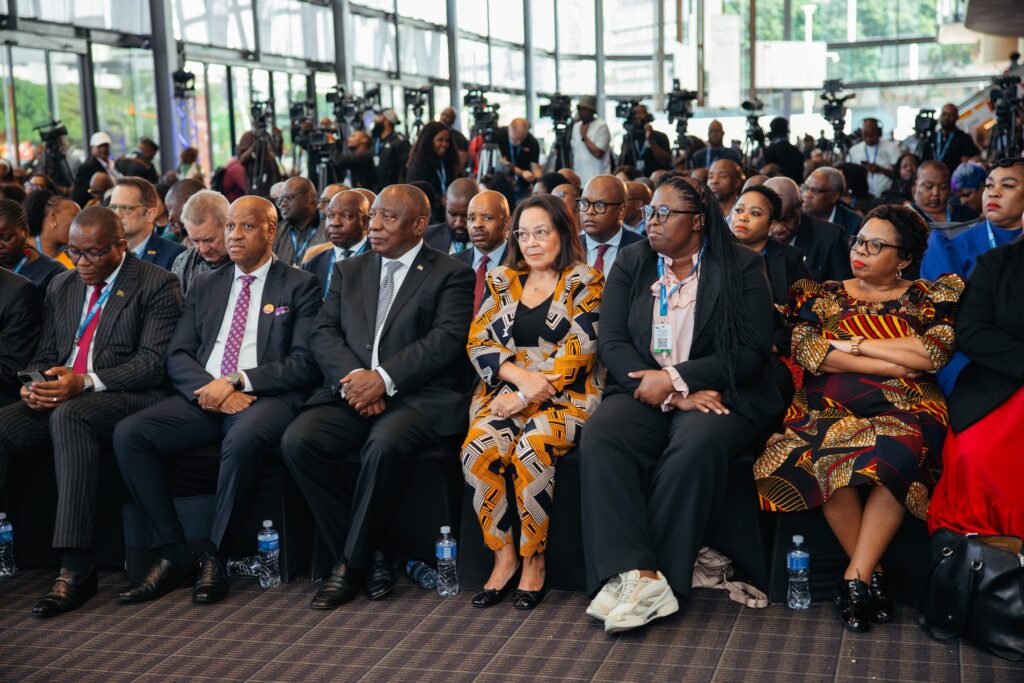
At the official opening, President Cyril Ramaphosa struck a measured tone, condemning xenophobic violence and reaffirming South Africa’s commitment to being an open and welcoming destination. Crucially, he grounded his remarks in data and regional reality, reminding delegates that tourism in South Africa – and across the continent – is already driven largely by African travellers. The President ground this by noting that of the 10.5 million tourists to South Africa in 2025, about 75% were from the Southern African Development Cooperation (SADC) region.
His message resonated across the halls of the Inkosi Albert Luthuli International Convention Centre, where business meetings, destination marketing and policy conversations continued uninterrupted.
Strong numbers, strong confidence
By every measurable indicator, Africa’s Travel Indaba 2026 delivered scale, participation and economic impact.
Early projections indicated hotel occupancy in Durban reached an impressive 97 percent, underscoring the event’s immediate value to the local economy. The show and its associated activities attracted an estimated 9,810 delegates, including 274 hosted buyers, 637 non-hosted buyers, and 404 registered media representatives.
According to organisers, direct spending linked to the event is estimated at R240 million, with total tourism expenditure projected at approximately R835 million, while supporting more than 1,122 jobs across hospitality, logistics, transport and event services.
For South African Tourism, which owns and organises the event, the figures underscore Indaba’s enduring relevance.
Commenting on the show’s performance, Corne Koch, Chief Convention Bureau Officer at South African Tourism, said the numbers represented far more than economic statistics. “Africa’s Travel Indaba 2026 has demonstrated the power of this platform to connect Africa to the world while delivering measurable value for our tourism economy,” Koch said.
“These figures are not just numbers – they represent trade opportunities, destination visibility, enterprise inclusion and long-term growth for Africa’s tourism economy.”
KwaZulu-Natal asserts its hosting credentials
For KwaZulu-Natal, Indaba 2026 was also a statement of hosting capability and strategic intent.
KwaZulu-Natal Tourism and Film Authority played a central role in ensuring the smooth delivery of the event, while using the platform to position tourism as a driver of investment, enterprise development and inclusive economic growth.
Interim CEO Sibusiso Gumbi said the province’s hosting of Indaba reinforced its place as a natural home for the event. “We have proved beyond doubt that Africa’s Travel Indaba belongs here in KwaZulu-Natal,” Gumbi said.
“The focus now is to build on the lessons and momentum of this year’s event while ensuring stronger participation from all African states so that the platform truly reflects the full strength and potential of Africa’s tourism economy.”
At city level, the impact of Indaba extended beyond the convention centre. The Durban Tourism, operating under the eThekwini Municipality, welcomed the quality and diversity of participants attending this year’s event.
Deputy Director Winile Mntungwa said the confidence shown by international buyers, media and industry leaders affirmed Durban’s readiness to host world-class business events.
“What has been particularly exciting is the quality of participants, both regionally and globally,” Mntungwa noted. “We believe this will translate into meaningful business deals and long-term partnerships.”
Durban’s performance reinforced the city’s growing reputation as a competitive meetings, incentives, conferences and exhibitions (MICE) destination – a segment increasingly seen as critical to year-round tourism demand.
Beyond the numbers, Indaba’s enduring strength lies in its role as a practical marketplace for African tourism. Unlike many global forums that emphasise discussion over deal-making, Indaba remains unapologetically transactional. Appointment diaries were full, meeting tables rarely empty, and exhibitors consistently reported strong engagement across leisure, business travel and niche segments.
A notable feature of Indaba 2026 was the growing emphasis on intra-African tourism, multi-country itineraries and regional packaging – a shift aligned with broader continental frameworks such as the African Continental Free Trade Area.
Several African destinations used the platform to announce or advance collaborative initiatives, including joint marketing efforts and cross-border travel propositions designed to attract long-haul travellers while strengthening African-to-African travel flows.
One of the clearest signals of this evolving mindset was the launch of a tri-destination partnership between Cape Town, Zimbabwe and Namibia, aimed at promoting Southern Africa as a connected, multi-country experience rather than a set of competing destinations.
The partnership reflected a growing recognition that Africa’s competitiveness lies not in fragmentation, but in collective packaging – allowing travellers to experience diverse landscapes, cultures and experiences within a single journey.
For buyers and tour operators, the message was clear: Africa is learning to sell itself better.
Indaba 2026 also reinforced its role as a space for policy dialogue and skills development.
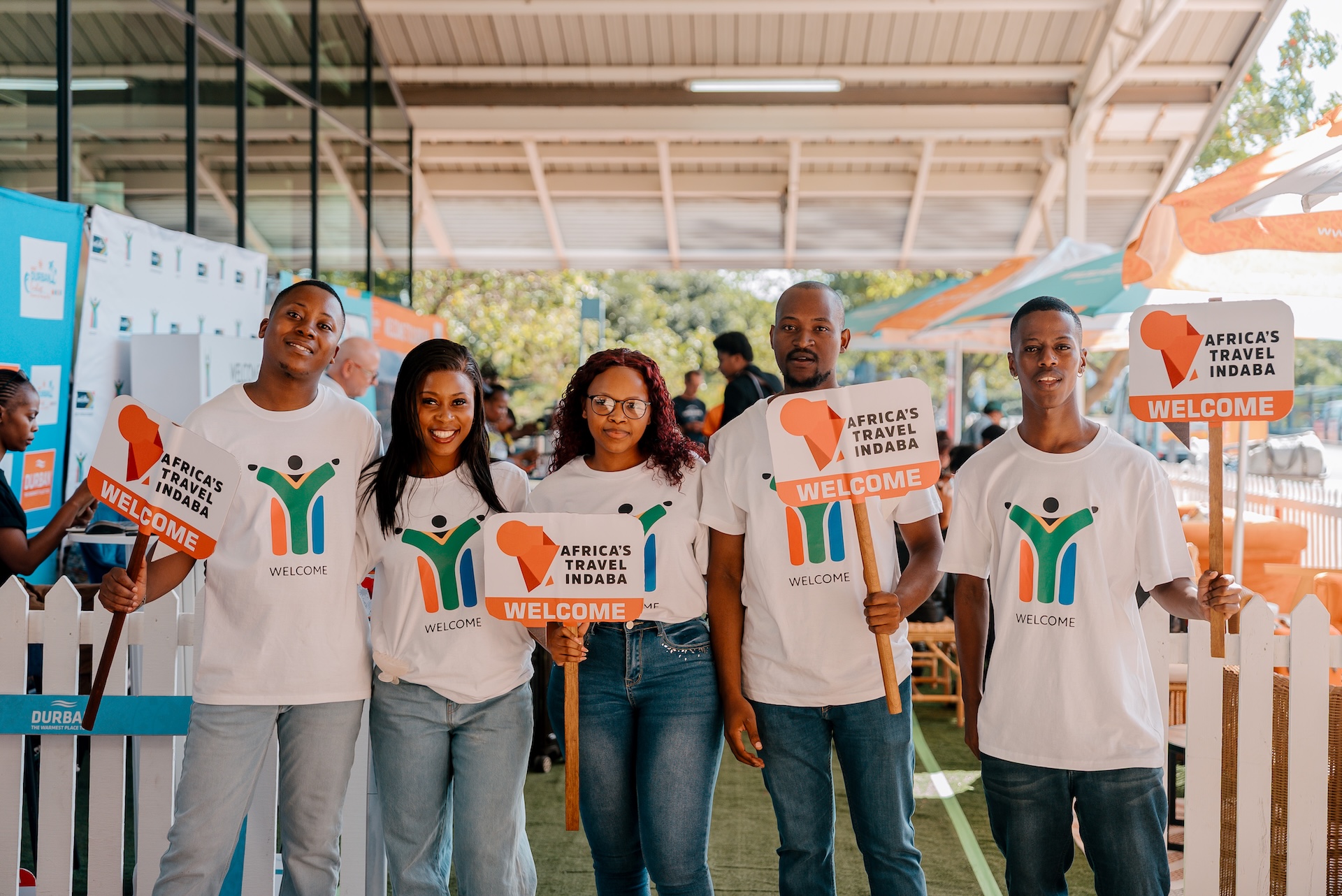
Approximately 300 tourism students from the Durban University of Technology were integrated into the event through operational, ushering and delegate services roles – a deliberate move to strengthen workforce readiness and long-term sector sustainability.
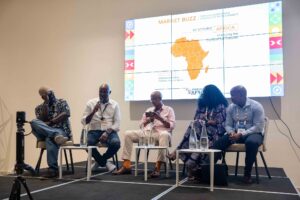
Across panel discussions and bilateral meetings, issues such as visa facilitation, air connectivity, tourism investment, sustainability and digital transformation featured prominently, reflecting a more mature and policy-aware tourism industry.
As Africa’s Travel Indaba 2026 draws to a close, its significance extends far beyond economic impact figures or exhibitor counts.
It leaves behind evidence of tourism’s ability to create jobs, unlock markets, strengthen policy alignment, empower enterprises and deepen African collaboration – even amid social and political complexity.
Indaba has evolved into more than a trade show. It is a continental checkpoint – a space where Africa’s tourism economy is showcased, partnerships are forged, barriers are challenged, and the future direction of African tourism is actively shaped.
In Durban this week, Africa did not retreat from its challenges. It chose delivery, dialogue and collaboration instead.
That, perhaps, is Indaba’s most enduring contribution.