
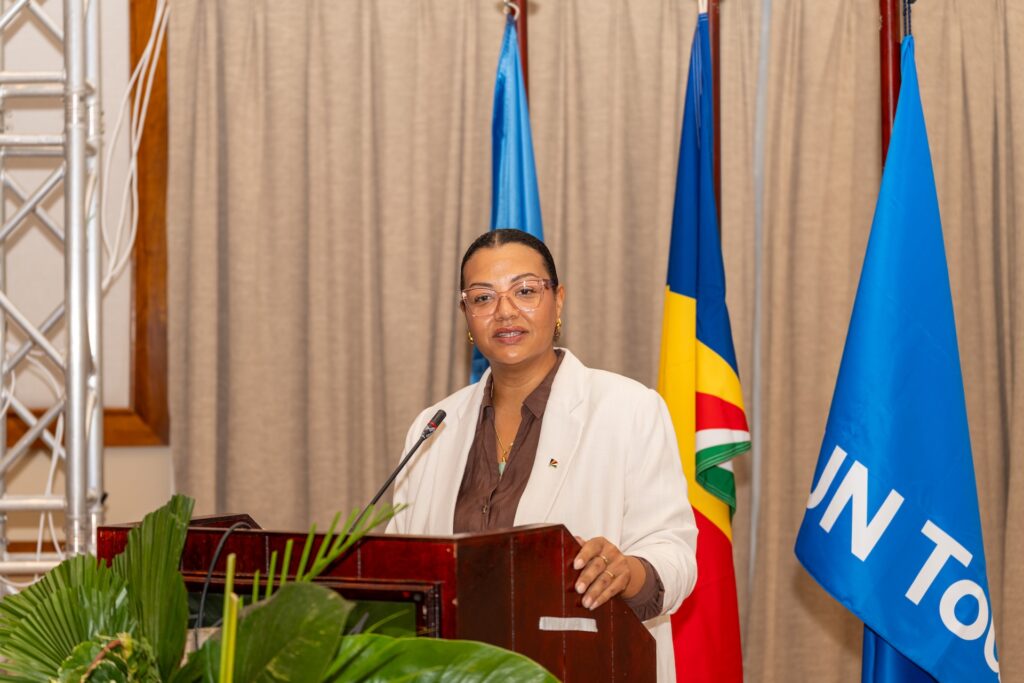
Seychelles has placed people firmly at the centre of Africa’s tourism future, with Amanda Bernstein, Minister of Tourism and Culture, calling on the continent to move decisively from dialogue to delivery on human capital development.
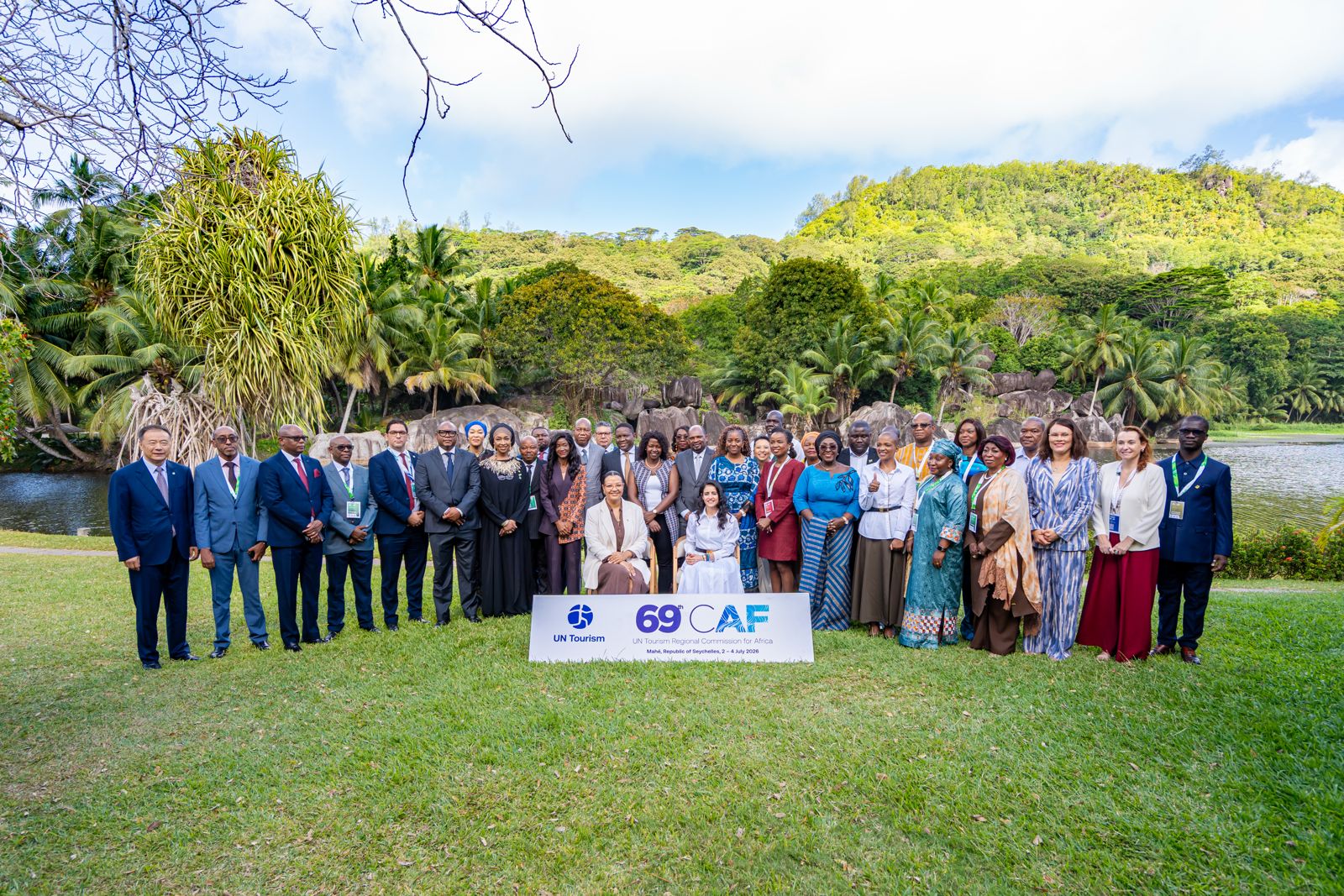
Speaking at the opening of the 69th UN Tourism Regional Commission for Africa (CAF) meeting at the Kempinski Seychelles Resort, Bernstein framed the gathering as both a homecoming and a moment of renewed urgency for African tourism.
“On behalf of the Government and people of Seychelles, it is an immense honour and privilege to welcome you to our archipelago,” she said, greeting ministers, international organisations, tourism leaders, experts and delegates from across the continent. “Bonjour et bienvenue aux Seychelles.”
Bernstein reminded delegates that Seychelles was entrusted with hosting CAF 69 at the previous commission meeting in Abuja, a vote of confidence she described as deeply meaningful for the island nation. She also reflected on history – noting that Seychelles hosted its first CAF meeting two decades ago at the same Baie Lazare location, then known as the Plantation Club Hotel.
“Today, that same site is managed by the Kempinski brand,” she said, using the transformation as a metaphor for tourism’s evolution and the enduring importance of people in driving that change. “It is fitting that we gather here around a theme so central to who we are – our people.”
A member of UN Tourism since 1991, Seychelles has long positioned itself as a values-driven tourism destination. But Bernstein was clear that natural beauty, infrastructure and marketing alone are no longer enough.
Competing on People, Not just places
“Tourism is our largest economic sector and one of our greatest employers,” she said. “Like many African destinations, we may compete on scenery and facilities, but our long-term success depends on the quality, skills and professionalism of our workforce.”
That conviction, Bernstein explained, has guided Seychelles’ decision to develop its first-ever Tourism Human Resource Development Strategy for 2026–2029. The strategy follows a comprehensive human resource needs assessment carried out with UN Tourism support, and in close consultation with industry players, educational institutions and government agencies.
The Minister announced that the strategy would be unpacked in detail later in the programme by the Principal Secretary for Tourism, Sherin Francis, including workforce data and the implementation platforms designed to ensure measurable outcomes.
At its core, Bernstein said, the strategy rests on a principle that resonates far beyond Seychelles: localisation is not about exclusion, but empowerment.
“Localisation is not about replacing foreign workers,” she stressed. “It is about creating the conditions that allow more Seychellois to enter, remain and progress within the tourism industry – particularly into supervisory, management and leadership roles.”
A Framework for Africa-wide relevance
She outlined five priority pillars underpinning the strategy: workforce planning and intelligence; education and training; localisation and career progression; leadership development and succession planning; and strategic partnerships and collaboration.
Through this framework, Seychelles is working to build a tourism workforce that is skilled, resilient and future-ready – anchored by the Seychelles Tourism Academy and reinforced by tourism clubs in schools that introduce young people to hospitality careers early.
Yet Bernstein was candid about the challenges that persist, both locally and across Africa.
“We must be honest,” she told delegates. “We face difficulties attracting and retaining talent, skills mismatches, limited training infrastructure, and the ongoing challenge of aligning education systems with industry needs.”
She noted that the CAF survey before delegates confirms these challenges are shared across the continent – making the meeting not just relevant, but necessary.
From shared challenges to shared solutions
What gives Bernstein confidence, however, is the emergence of practical solutions across Africa: competency-based training models, stronger public-private partnerships, digital workforce platforms and structured apprenticeship systems.
“This conference gives us the opportunity to learn from one another,” she said, “and to move beyond identifying problems towards implementing solutions.”
Her address set a collaborative tone for CAF 69, positioning Seychelles not as a lecturer, but as a partner willing to share lessons learned while learning from others. “Our workforce is not a supporting act,” she concluded. “It is the foundation. And if we get that right, Africa’s tourism future will be stronger, fairer and far more sustainable.”
Presidential Assurance
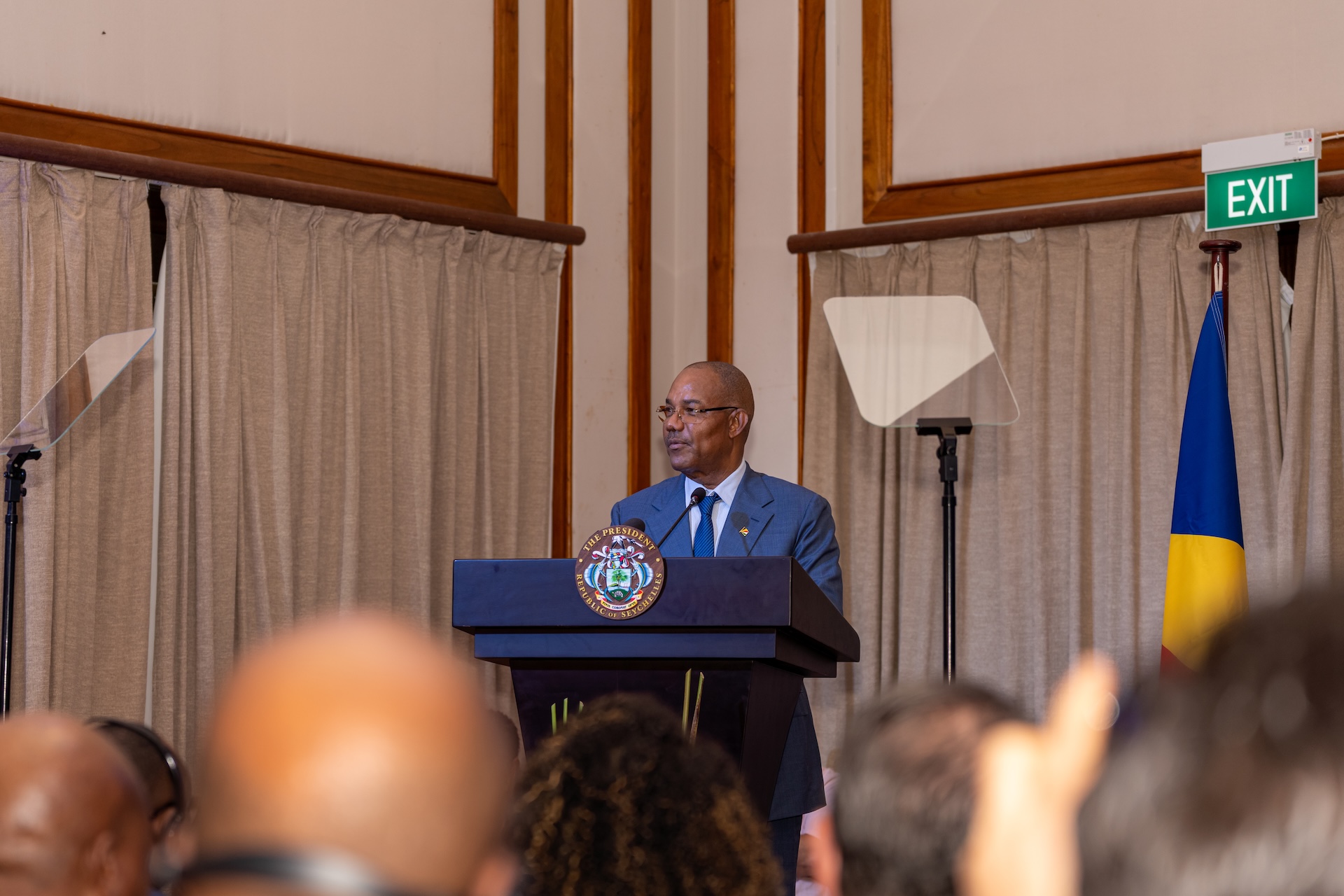
President Herminie
Delivering the keynote address, President Herminie framed tourism not as an abstract economic indicator, but as a lived reality for Seychellois communities.
“It is a great honour for Seychelles to host the 69th meeting of the UN Tourism Regional Commission for Africa and to welcome our partners as we reflect on how to strengthen human capital to boost Africa’s tourism growth,” he said.
Acknowledging shared challenges across the continent – including skills gaps and youth disengagement – Herminie called for collaboration grounded in practical solutions rather than headline numbers. “We must look beyond arrival figures and focus on empowering the workforce that delivers the experience,” he urged.
Africa’s Youth at The Centre
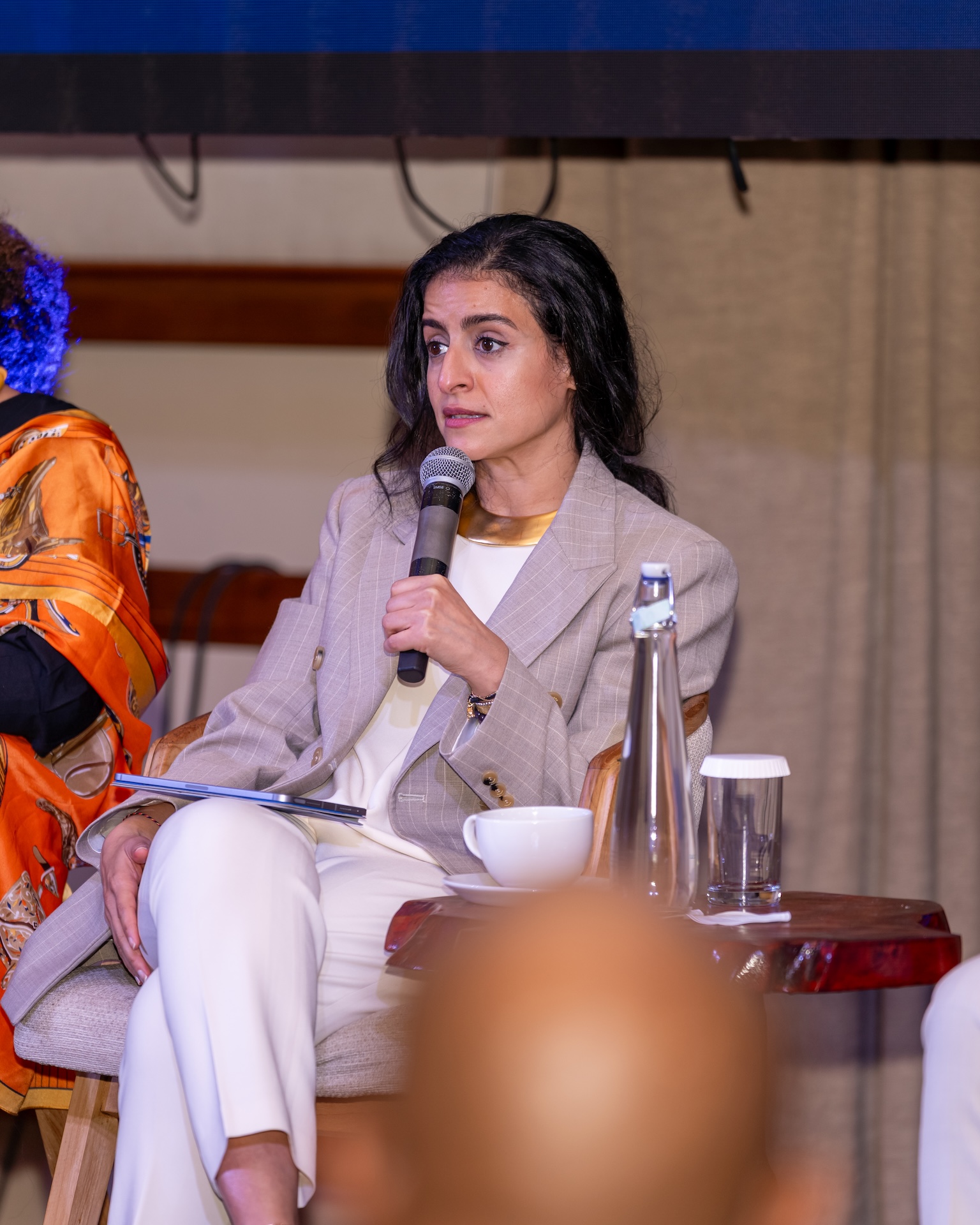
The Secretary-General of UN Tourism, Shaikha Al Nuwais placed Africa’s youth challenge squarely at the heart of her address. Across the continent, she noted, an estimated 72 million young people remain unemployed – a reality that tourism, if properly structured, could help reverse.
“Tourism can become one of Africa’s greatest job creators,” she said. “But only if we train people, value them, and give them a reason to stay.”
She outlined three priorities that will guide UN Tourism’s engagement in Africa over the coming period: skills that match real jobs; digital and artificial intelligence readiness; and a fundamental shift in how tourism careers are perceived. “Ours must be a sector people choose not out of desperation, but out of aspiration,” she stressed.