
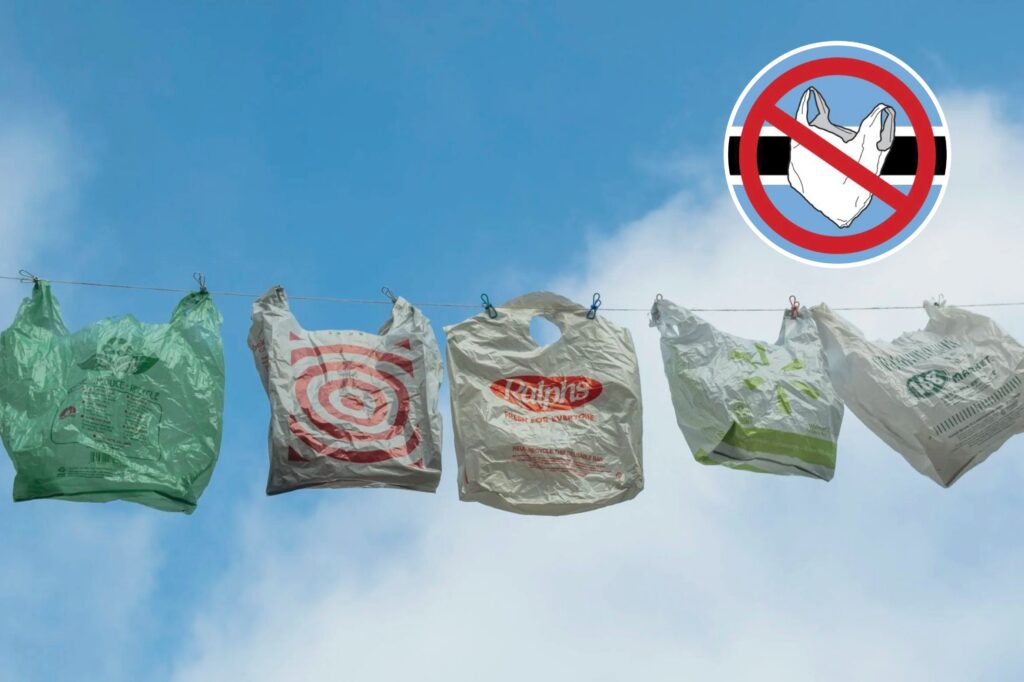
Botswana is set to phase in a comprehensive ban on single-use plastic bags, with the Ministries of Environment and Tourism and Trade and Entrepreneurship working with manufacturers and businesses to prepare for the transition. The measure, announced on 19 August 2026, has particular relevance for the tourism sector, where the protection of wildlife, landscapes and destination environments is closely tied to the country’s visitor economy.
The decision follows President Duma Gideon Boko’s pronouncement during the State of the Nation Address. The government said the ban will be introduced in phases to allow businesses, manufacturers and other stakeholders time to adjust and for alternative packaging options to become available.
For tourism, the policy reaches into an area that is often treated as an operational issue rather than a destination concern: waste. Botswana’s tourism proposition is built substantially around its natural environment and wildlife, making the management of materials that enter those environments relevant to safari operators, lodges, hotels, restaurants and other tourism businesses.
The Ministry of Environment and Tourism said the measure is intended to address environmental degradation, protect livestock and safeguard public health from plastic pollution.
Tourism businesses will form part of the wider commercial transition. Hospitality establishments, retailers, restaurants and tourism operators that currently use single-use plastic bags will need to adapt their procurement and packaging practices as the phased ban takes effect.
The government has not yet published the detailed categories of products covered, exemptions or specific implementation dates for each stage. Those modalities will be outlined in guidelines to be issued after consultations with relevant departments and stakeholders, including industry.
That consultation process will be particularly relevant to tourism businesses operating in and around wildlife destinations, where replacing commonly used packaging requires alternatives that are practical, readily available and suitable for the conditions in which safari and hospitality operations function.
The environmental objective of the policy is closely connected to Botswana’s tourism economy.
Plastic pollution does not stop at the boundaries of commercial centers. Waste can enter grazing areas and natural habitats, creating risks for livestock and wildlife while affecting the quality of the environments that visitors travel to experience.
The government’s reference to protecting livestock and addressing environmental degradation therefore carries a wider destination-management dimension for Botswana. Maintaining clean and well-managed natural areas is not simply an environmental responsibility; it is part of protecting the physical assets on which nature-based tourism depends.
For safari operators and accommodation businesses, the transition also places greater attention on how waste is handled throughout the visitor journey, from supplies entering properties to packaging used in guest services and retail activities.
The government is pairing the ban with measures aimed at supporting the local manufacturing sector.
The Ministry of Environment and Tourism said it is working with the Ministry of Trade and Entrepreneurship to engage plastic bag manufacturers on industrial retooling for recyclable and biodegradable products. The two ministries are also working on sustainable supply chains and measures intended to protect local jobs and investments.
That is significant for tourism because environmental requirements can only be implemented effectively when businesses have access to suitable alternatives. The availability and cost of replacement products will influence how easily smaller tourism enterprises, accommodation providers and other businesses adjust.
The phased approach is intended to provide that adjustment period rather than requiring businesses and manufacturers to make an immediate change without the necessary supply arrangements.
For Botswana’s tourism industry, the importance of the policy will ultimately be reflected in how effectively environmental objectives are incorporated into day-to-day business operations.
The country’s tourism economy depends on destinations where wildlife and landscapes are central to the visitor experience. Reducing plastic waste therefore has a direct relationship with the quality and management of those environments.
It also places tourism businesses within a broader supply-chain transition. Operators will have to respond to the eventual requirements while manufacturers develop alternatives and suppliers adjust what they offer to the market.
The government has described the transition as an opportunity for innovation, green job creation and sustainable enterprise development. For the tourism sector, the immediate requirement is clearer: understand the forthcoming rules and prepare operations accordingly.
The Ministry of Environment and Tourism will publish detailed guidelines and timelines in the coming weeks after consultations with relevant government departments, industry and other stakeholders.
Until those details are released, businesses do not yet have the complete implementation framework. The government is nevertheless encouraging the private sector and the public to begin preparing for the transition and to consider recyclable, biodegradable and other environmentally preferable packaging alternatives.
For Botswana’s tourism industry, the forthcoming guidelines will determine how the policy translates from environmental ambition into operational practice. The balance will be between reducing plastic waste, protecting the natural assets that underpin tourism and ensuring that businesses and local manufacturers have workable alternatives.
The next phase, therefore, is not simply the removal of plastic bags. It is the practical work of aligning tourism operations, local manufacturing and environmental protection around a change that will increasingly be visible across Botswana’s visitor economy.