

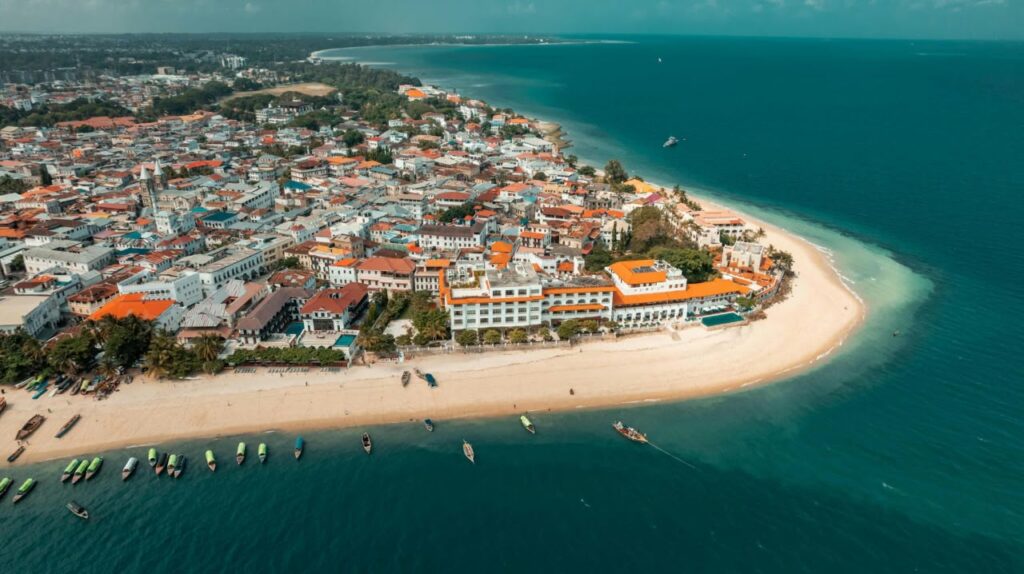
Sustainability has become one of the most widely used and, in many cases, least operationalized concepts in tourism today. Across Africa, there is no shortage of policies, commitments and strategies, and sustainability is firmly on the agenda. Yet on the ground, many tourism businesses are still asking the same question: What does sustainability actually look like in practice? The gap between ambition and execution remains one of the sector’s greatest challenges – and one of its greatest opportunities.
From my experience working across the tourism ecosystem, sustainability often feels abstract at the business level. For many operators, particularly small and medium-sized enterprises, it is perceived as an additional cost rather than a business opportunity. At the same time, businesses are faced with an increasing number of frameworks, certifications and reporting requirements that are not always practical or adapted to local realities. Good intentions alone are therefore not enough.
There is also a noticeable disconnect between policy and implementation. National strategies and declarations provide an important vision, but they do not always translate into practical guidance that businesses can apply in their daily operations. As a result, sustainability can sometimes remain confined to corporate reports and marketing campaigns rather than influencing procurement decisions, staff training, product development or supply chains.
Making sustainability operational does not necessarily require large investments. More often, it begins with a series of consistent decisions embedded throughout the business. Reducing waste, improving resource efficiency, sourcing from local suppliers, investing in staff awareness and working more closely with surrounding communities are all practical steps that strengthen both business performance and destination resilience. When sustainability becomes part of everyday decision-making, it shifts from being an obligation to becoming a competitive advantage.
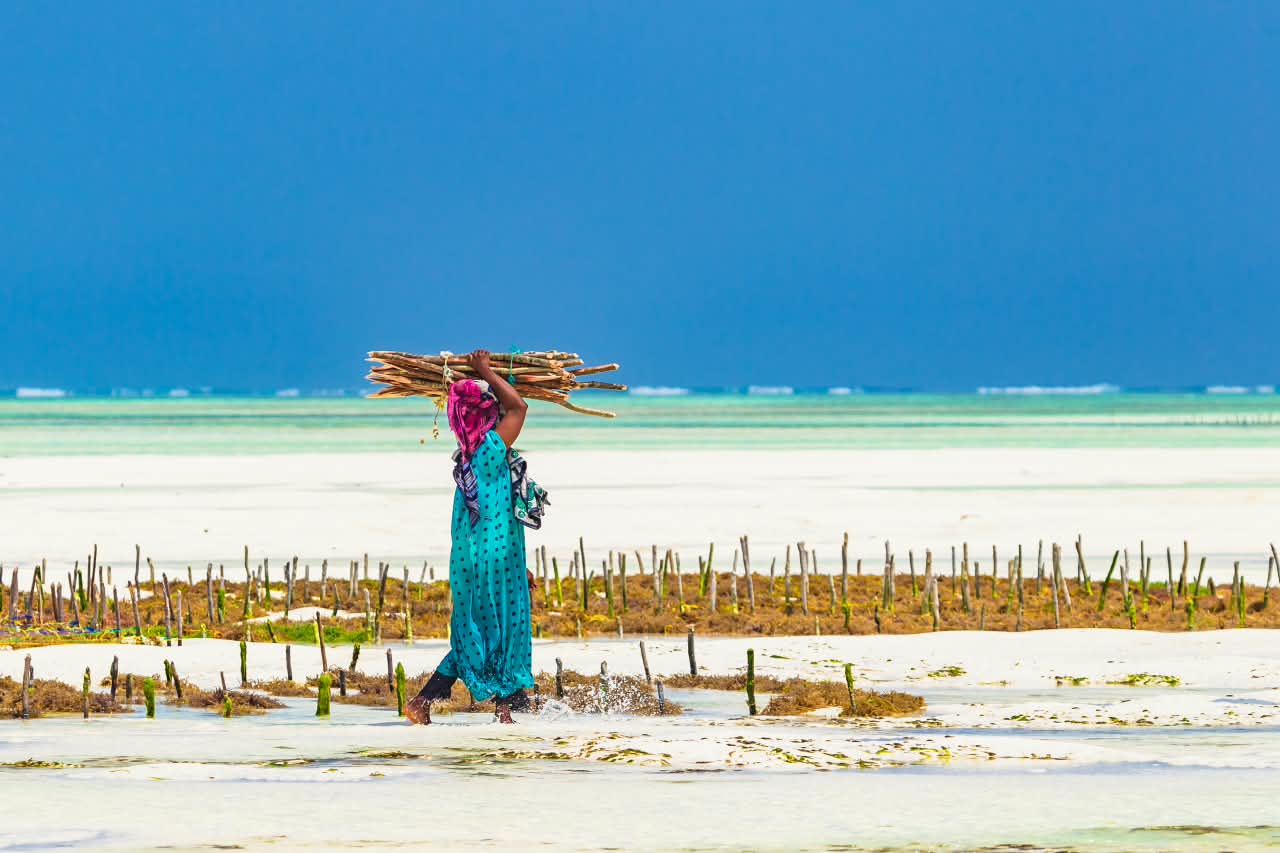
This is also where partnerships become essential. Governments establish the policy direction, while the private sector drives implementation. Between the two, there is growing value in organisations that help bridge this gap by translating policy into practical tools, facilitating collaboration and supporting businesses through the implementation process. In Zanzibar, initiatives led through organisations such as Blue Impact Network are beginning to demonstrate the importance of this intermediary role, helping businesses understand not only why sustainability matters, but how to integrate it into their operations in meaningful and measurable ways.
Across the region, encouraging examples are emerging. Rwanda has demonstrated how conservation can create premium tourism experiences while supporting local communities, and other destinations are increasingly recognising that investing in heritage, culture, wellness and business events can diversify tourism while strengthening long-term resilience.
Ultimately, sustainability should not be viewed as another compliance requirement. It should be seen as a smarter way of doing business; one that protects the very assets tourism depends upon while creating lasting value for destinations, communities and investors alike. Policies will continue to evolve, but the future of African tourism will be shaped by businesses that make sustainability part of how they operate every day, rather than something they simply aspire to.