

Namibia has long captivated international travellers with the stark beauty of its landscapes, the drama of the Namib Desert, its abundant wildlife and the vastness of its wilderness. But the country is increasingly looking beyond its celebrated scenery to another powerful way of telling its story: food.
For the Namibia Tourism Board (NTB), gastronomy is emerging as an important new dimension of the country’s tourism proposition, offering visitors an opportunity to experience Namibia not only through its landscapes and wildlife, but also through its people, traditions, agricultural heritage and distinctive flavours.
Speaking to VoyagesAfriq, Namibia Tourism Board Chief Executive Officer Zebulon Chicalu said the move towards gastronomy is timely because international travel is increasingly driven by the search for deeper and more immersive experiences.
“Food tells the story of our people, traditions and landscapes,” Chicalu said, describing gastronomy as a “natural extension of destination marketing.”
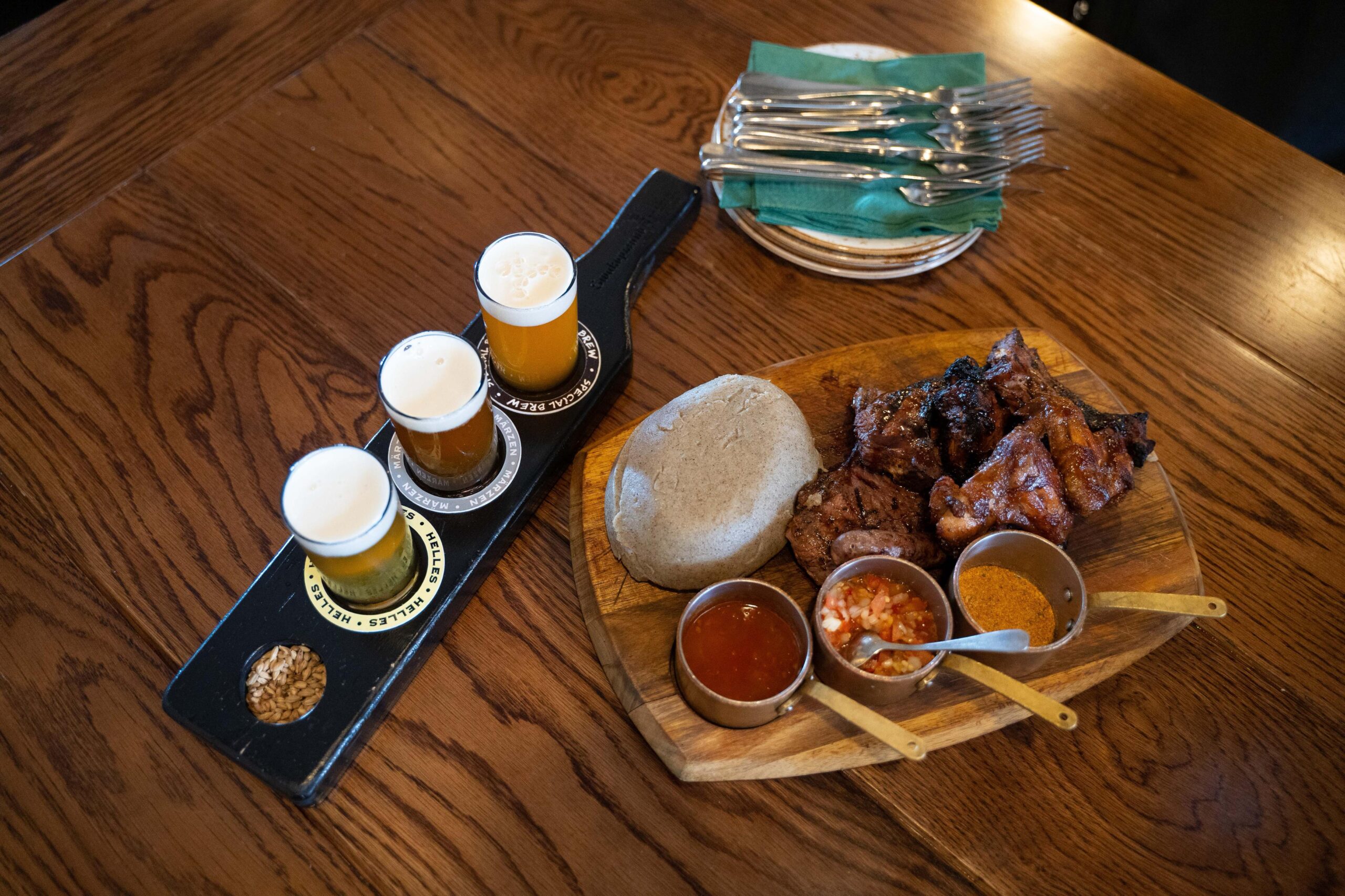
The ambition is not necessarily to reinvent Namibia as a food destination at the expense of its established tourism strengths. Rather, gastronomy is being positioned as an additional reason to visit—and as a way of making existing experiences more meaningful.
According to Chicalu, culinary tourism can enrich the visitor experience, encourage longer stays and create economic opportunities for local businesses, farmers and communities.
“We see food as another compelling reason to discover Namibia beyond its iconic attractions,” he said.
A culinary identity shaped by landscape and heritage
Namibia’s food story is as diverse as its geography.
A country of striking contrasts—from the arid landscapes of the Namib to the greener northern regions and the resource-rich Atlantic coastline—Namibia’s culinary traditions have evolved around the ingredients available in different environments and the cultures that have inhabited them.
Chicalu describes the country’s culinary identity as “authentic, diverse and deeply rooted in our cultural heritage,” shaped by indigenous communities, African traditions and European culinary influences.
That diversity is reflected on the plate.
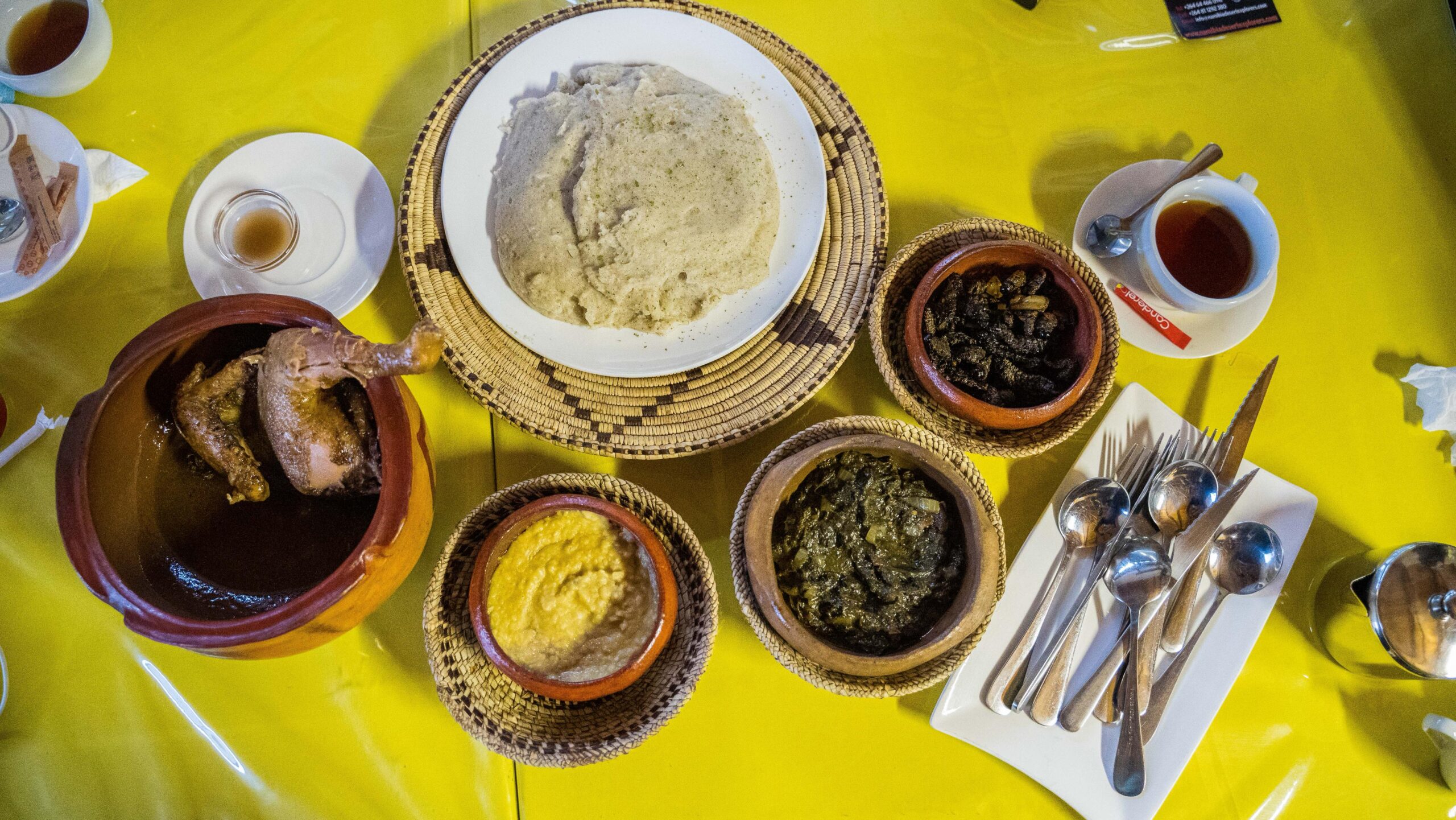
In northern Namibia, mahangu, or pearl millet, remains an important traditional staple. Along the coast, the cold waters of the Atlantic provide seafood, including oysters that have become increasingly associated with Namibia’s emerging premium food culture. Inland, Namibia’s extensive rangelands support a renowned beef industry, while game meat provides another distinctive component of the country’s culinary offering.
“From Mahangu porridge in the north, fresh Atlantic seafood along the coast, premium beef from our rangelands, game meat from conservation areas, and traditional dishes prepared during cultural celebrations, every region offers a distinct culinary experience,” Chicalu explained.
For visitors, this geographical diversity creates the possibility of a culinary journey that mirrors Namibia’s broader tourism experience: moving from desert landscapes to coastal communities, from farms and ranches to cultural settlements, while discovering how each environment has shaped what people eat.
From Mahangu and Marula to oysters and game
Namibia’s gastronomic appeal lies partly in the juxtaposition between indigenous ingredients and premium products that can compete in international markets.
Chicalu points to premium Namibian beef as one of the country’s flagship food products, alongside sustainably harvested oysters from Walvis Bay and Lüderitz.
But he is equally enthusiastic about ingredients that offer visitors a more intimate encounter with Namibia’s indigenous food traditions.
Mahangu, Marula, wild spinach, camelthorn honey and mopane worms all provide opportunities to introduce travellers to flavours that are less familiar internationally.
Game meats such as springbok, oryx and kudu add another distinctly Namibian dimension to the dining experience.
Taken together, these foods tell a broader story about Namibia’s relationship with its natural environment.
“They showcase our country’s natural resources, sustainable farming practices and rich cultural traditions,” Chicalu said.
That connection between food and landscape could become one of Namibia’s strongest advantages in the increasingly competitive global culinary tourism market. Rather than relying solely on sophisticated restaurants, the country’s gastronomic proposition can be built around provenance—the story of where food comes from, who produces it and how it connects to the environment.
Food as a bridge between visitor and community
The NTB’s approach also places communities and local producers at the heart of the gastronomic proposition.
Chicalu said the Tourism Board is working with regional tourism stakeholders, hospitality establishments and local communities to encourage experiences that celebrate Namibian food and culture.
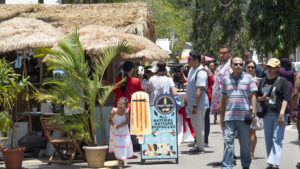
These include cultural villages, farm experiences, markets, festivals and culinary storytelling.
Such experiences can turn food from something a traveller simply consumes into something they participate in and understand.
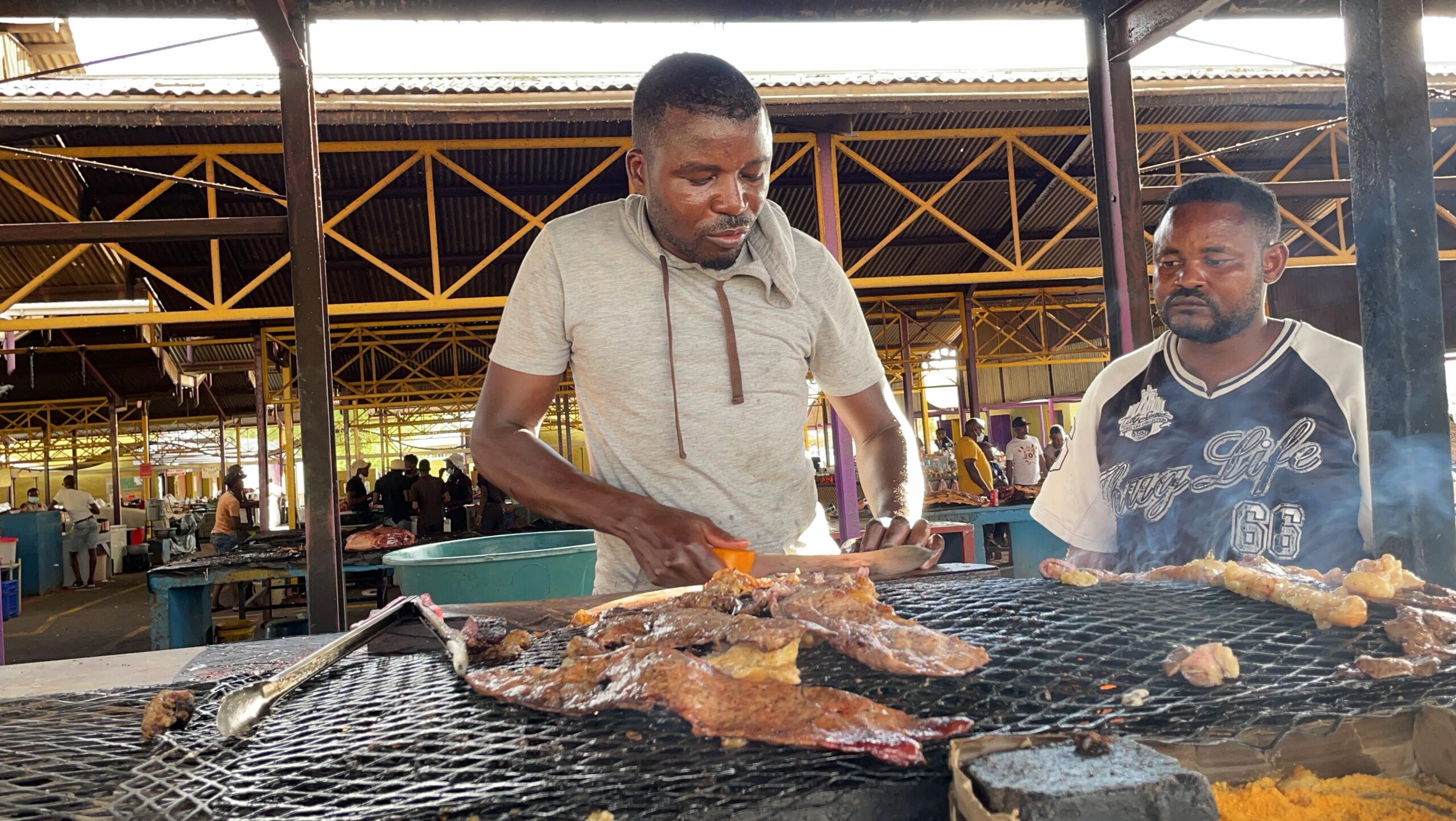
A visit to a farm, for example, can connect a traveller to the production of local ingredients. A market can provide an encounter with indigenous foods and local producers. A cultural experience can explain the significance of traditional dishes, preparation methods and ingredients.
The economic implications are equally significant.
When visitors spend on locally produced food, they potentially support farmers, fishermen, artisans, chefs, market traders, small businesses and communities. In this sense, gastronomy can extend tourism’s economic benefits beyond hotels, lodges and traditional attractions.
Chicalu believes these partnerships are essential to ensuring that tourism creates value “across the entire supply chain while preserving local traditions.”
Sustainability on the menu
Namibia’s gastronomic ambitions also dovetail with the growing global demand for sustainable and locally sourced food.
For a country whose tourism brand is already strongly associated with conservation and responsible use of natural resources, the farm-to-table movement presents a natural opportunity.
“Many of our traditional foods are locally produced, seasonal and sourced responsibly,” Chicalu said.
That makes traditional food culture particularly relevant to contemporary tourism trends in which travellers increasingly want to know not simply what they are eating, but where it comes from and what its production means for people and the environment.
Gastronomy can provide direct income opportunities for farmers, fishermen, artisans and small businesses, while encouraging responsible consumption and environmental stewardship.
The opportunity, therefore, extends beyond putting Namibian dishes on international menus. It is about building a tourism economy in which local food production becomes part of the visitor experience and local communities participate more directly in the value generated by tourism.
Protecting tradition while embracing innovation
One of the challenges facing destinations that seek to commercialise their culinary heritage is maintaining authenticity while responding to changing consumer tastes.
Namibia appears to be approaching this through a combination of preservation and innovation.
Traditional recipes and food preparation techniques continue to be passed between generations, according to Chicalu. At the same time, contemporary chefs are experimenting with indigenous ingredients and combining traditional flavours with modern culinary techniques.
“This balance between tradition and innovation allows Namibia to preserve its culinary heritage while appealing to modern international travellers looking for authentic yet sophisticated dining experiences,” he said.
That balance could prove crucial in developing Namibia’s gastronomic identity. The objective is not to freeze traditional cuisine in time, nor to make it indistinguishable from international fine dining. Instead, the opportunity is to give indigenous ingredients and food traditions a contemporary platform while retaining the stories and cultural meanings behind them.
The ingredients for signature culinary attractions
Namibia’s culinary tourism infrastructure is still developing, but Chicalu sees considerable potential for signature experiences built around several existing strengths.
Wine and craft beverage producers, coastal seafood, premium beef, game cuisine and indigenous foods could all form the basis of distinctive culinary itineraries.
Regional food festivals, farmers’ markets, cultural celebrations and collaborations between chefs could also evolve into attractions in their own right.
This presents an opportunity to move gastronomy beyond the restaurant and into the wider tourism landscape.
Imagine, for instance, a visitor combining a coastal wildlife experience with an oyster-focused culinary excursion, exploring local food traditions at a cultural festival, visiting a farm before enjoying a locally sourced dinner, or experiencing game cuisine as part of a conservation-focused itinerary.
Such experiences could give Namibia something increasingly valuable in tourism: reasons for visitors to stay longer and explore more deeply.
Taking the food story to the world
The Namibia Tourism Board is already beginning to integrate gastronomy into its international destination marketing through digital campaigns, trade shows, media familiarisation trips and destination storytelling.
The response from international media and travel trade partners, Chicalu said, has been encouraging.
Visitors are responding particularly well to the quality and freshness of Namibian ingredients and the opportunity to experience local culture through food.
That response suggests that Namibia may have an underdeveloped tourism asset hiding in plain sight.
Its landscapes bring travellers to the country, but food can help them understand it.
A five-to-ten-year opportunity
The NTB sees the next five to ten years as a critical period for developing Namibia’s culinary identity.
The opportunity is substantial: the country already has high-quality food products, cultural diversity, distinctive indigenous ingredients and compelling stories connecting food with land and conservation.
The challenge is turning those ingredients into a coherent, internationally recognised culinary tourism proposition.
Chicalu identifies product development, skills development, collaboration across the tourism value chain and stronger international promotion as key areas that need attention.
The task will require cooperation between the tourism authorities, chefs, restaurants, farmers, fishermen, communities, hospitality businesses, food producers and the wider private sector.
If those players can work together, gastronomy could become more than a complementary tourism product. It could become part of Namibia’s identity as a destination.
A meal that tells the story of Namibia
Asked to design a single culinary experience capable of introducing an international traveller to Namibia, Chicalu’s answer captures the country’s gastronomic ambition.
He imagines a sunset meal in the Namib Desert or overlooking the Atlantic Ocean, bringing together freshly harvested oysters, premium Namibian beef, locally sourced vegetables, Mahangu, traditional breads, Marula-inspired flavours and locally produced wines or craft beverages.
It is a meal deliberately designed around contrast: desert and ocean, indigenous and contemporary, land and sea, tradition and innovation.
But ultimately, Chicalu believes the most important ingredient is the story.
“The story I would want every visitor to take home is that Namibia is more than a destination of extraordinary landscapes—it is a country of warm hospitality, vibrant cultures and unforgettable flavours.”
That may be the most important shift in Namibia’s gastronomic journey.
The country does not need to abandon the landscapes and wildlife that made it famous. Instead, it can invite travellers to look beyond them—to meet the people who cultivate its food, taste ingredients shaped by its climate, understand traditions passed down through generations and discover how conservation, culture and cuisine intersect.
For Namibia, the next chapter of its tourism story may therefore be written not only across its deserts, savannahs and coastline, but also around the dining table.