


Africa’s culinary heritage and its growing potential to drive tourism, cultural exchange and economic development are taking centre stage in Gaborone as the four-day International Forum of Africa Gastronomy (FIGA Botswana 2026) brings together chefs, hospitality professionals, tourism leaders and entrepreneurs from across the continent.
Held at Cresta Lodge from November 11–14 under the theme, “Africa Gastronomy: Driving Tourism, Culture, Food Security and Economic Development,” the forum is providing a platform to celebrate African cuisine, encourage knowledge sharing and explore opportunities for integrating gastronomy into the continent’s tourism and economic development agenda.
Delivering the keynote address at the opening ceremony, Acting Chief Executive Officer of the Botswana Tourism Organisation (BTO), Justice Ofentse, highlighted the importance of gastronomy in diversifying Botswana’s tourism offering and enriching the visitor experience.
He noted that food is an essential part of a destination’s identity, allowing visitors to connect with its culture, traditions and people. He also pointed to Botswana’s indigenous dishes, including seswaa, bogobe, phane, delele, tswii and dikgobe, as valuable cultural assets that can be developed into distinctive tourism experiences.
According to Ofentse, gastronomy tourism also creates economic opportunities by connecting tourism establishments with farmers, food producers, suppliers, entrepreneurs and culinary professionals, ensuring that the benefits of tourism reach a wider network of local businesses and communities.
The forum’s founder and host, Chef Monana Motswaledi, who is also Founder and Managing Director of the Gaborone College of Culinary Arts, welcomed the gathering of culinary professionals from across Africa, expressing her excitement at bringing the continental platform to Botswana. She said the event offered an opportunity for delegates to experience the country’s hospitality, culture and culinary identity while building relationships that could extend beyond the four-day gathering.
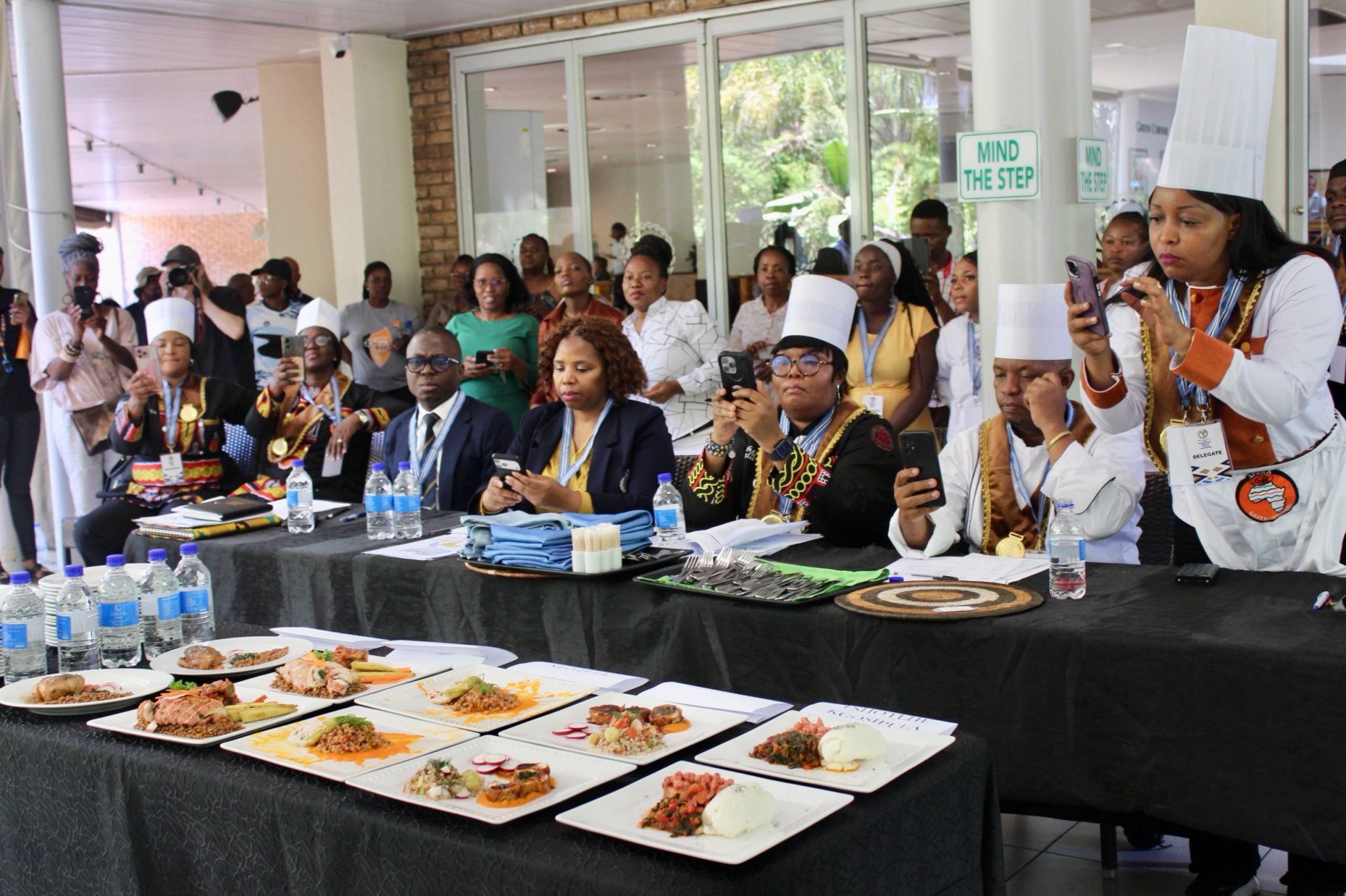
A major highlight of the forum’s second day was the Young African Chef Challenge, which brought together five emerging culinary talents from Botswana, Zimbabwe and South Africa. The contestants, comprising two chefs each from Botswana and Zimbabwe and one from South Africa, competed in a mystery basket challenge designed to test their creativity, technical skills and ability to transform African ingredients into innovative dishes.
Beyond the competition, the challenge provided an opportunity for culinary exchange, demonstrating how traditional ingredients, cooking methods and food cultures can be reimagined to create distinctive dining experiences capable of strengthening a destination’s appeal. The winner is scheduled to be announced at the FIGA Botswana 2026 Gala Dinner on November 14.
The Botswana Tourism Organisation also used the forum to reinforce the importance of gastronomy in destination marketing and economic development through its participation in two industry panel discussions.
BTO Marketing Manager for Events and Products, Carol Kgafela, joined Richard Kawere, Principal of Uganda Hospitality and Hotel College, and Reginald Hengari of Cresta Hotels for a discussion on “Culinary Tourism – Positioning Botswana as a Destination,” moderated by Nametsegang Motshegwa.
Kgafela emphasised the need to expand Botswana’s tourism narrative beyond its renowned wildlife attractions by showcasing the country’s people, culture, traditions and cuisine. She identified local dishes such as seswaa, bogobe, morogo, phane and dikgobe as important elements of authentic visitor experiences that can diversify the country’s tourism products while preserving indigenous knowledge.
In another discussion, “Gastronomy as an Economic Driver,” BTO Tourism Development Manager Mildred Mackennie joined Mafila Malesu of the Wildlife Producers Association, Chef Sheila Habawe, Director of Vine Kitchen in Uganda, and Babatshi Munyadzwe, General Manager of Mighty Infinite Services. The session was also moderated by Motshegwa.
Mackennie highlighted the importance of connecting local farmers, food producers, street food vendors and communities to tourism opportunities. She encouraged tourism operators to incorporate indigenous cuisine into their visitor experiences and prioritise locally sourced produce, noting that such practices create markets for local businesses, improve visitor experiences and support community livelihoods.
The discussions underscored the wider economic potential of gastronomy tourism, particularly its ability to strengthen local supply chains, encourage entrepreneurship and ensure that more communities participate in and benefit from tourism development.
The programme for FIGA Botswana 2026 also features culinary competitions, masterclasses, food demonstrations, exhibitions, industry discussions, business networking and an African Gastronomy Gala Dinner and Awards Ceremony. These activities are designed to encourage collaboration between established chefs and emerging culinary professionals while strengthening connections across Africa’s tourism and hospitality industries.
As the forum concludes on November 14, its focus on indigenous cuisine, culinary innovation and economic inclusion highlights the growing recognition of food as more than a cultural expression. It is also an important tourism product and an avenue for creating jobs, supporting local enterprises and promoting Africa’s diverse cultural identity.
Through FIGA Botswana 2026, Botswana is positioning gastronomy as an important component of its tourism diversification strategy while providing a continental platform for advancing African culinary excellence.