
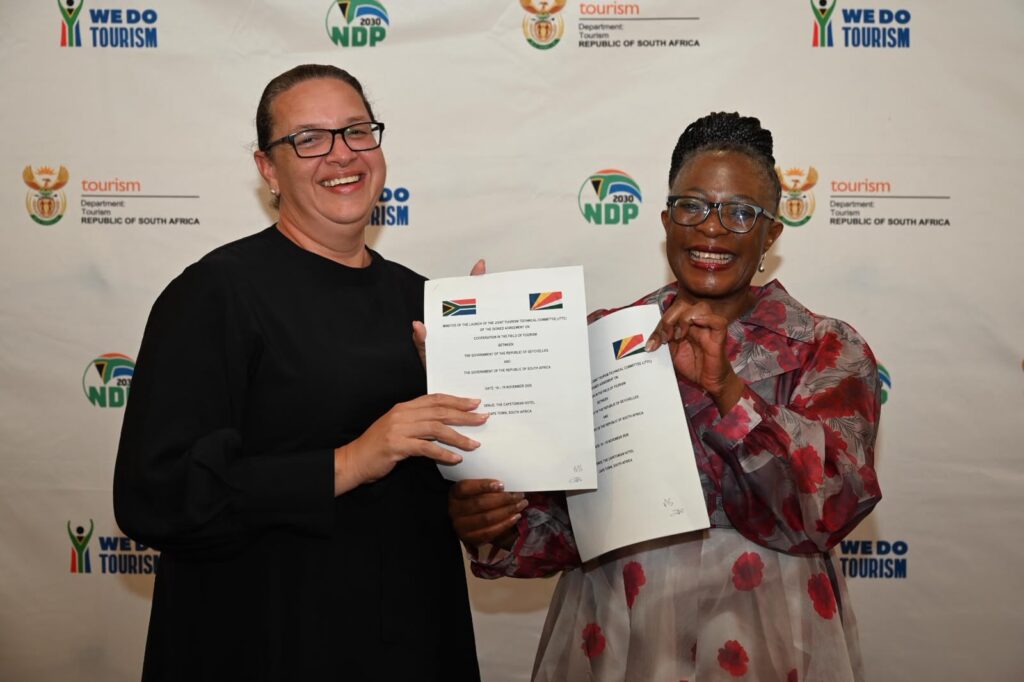
New bilateral framework puts skills development, destination marketing, tourism standards and product innovation at the heart of cooperation.
South Africa and Seychelles have taken a significant step towards deepening bilateral tourism cooperation with the official launch of the Joint Tourism Technical Committee (JTTC) in Cape Town on 19 November 2026.
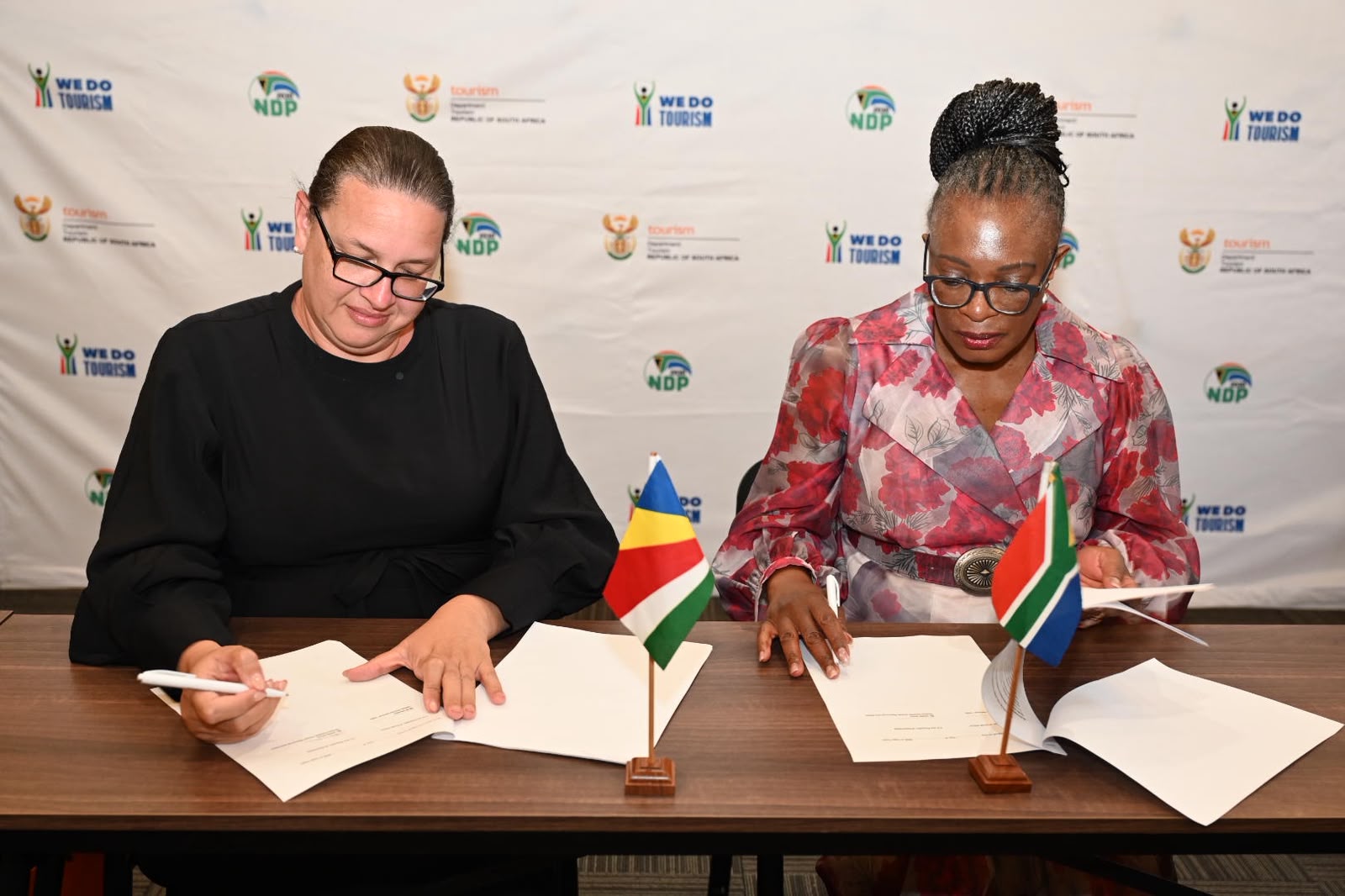
The Committee, launched at the Capetonian Hotel, will drive the implementation of the bilateral Agreement on Co-operation in the Field of Tourism, signed in August 2013, translating longstanding diplomatic ties into practical initiatives across tourism training, destination development, marketing and investment.
Speaking at the launch, South Africa’s Deputy Director-General for Tourism Sector Support Services, Mmaditonki Setwaba, emphasised the importance of establishing a structured mechanism to deliver measurable outcomes.
“The launch of this Committee and the signing that follows will further strengthen those ties by giving our two countries a way to agree on priorities, assign responsibility and track progress together,” she said.
The launch followed technical discussions between officials from both countries to finalise the Committee’s terms of reference and develop a draft Implementation Plan outlining priority projects, responsible institutions and timelines.
Skills development and Industry exchange take centre stage
A key focus of the partnership is strengthening human capital and professional skills across the tourism and hospitality sectors.
Building on a successful 2017 initiative that saw 20 South African graduate chefs undertake year-long internships in Seychelles, the proposed programme seeks to expand opportunities for reciprocal training and professional exchanges.
Under the draft Implementation Plan, Seychellois culinary trainees could gain practical experience in South African hotels, subject to a separate agreement involving the Seychelles Tourism Academy.
The partnership also envisages capacity-building for accommodation grading assessors, exchanges on tourism service standards and closer collaboration between training institutions and industry stakeholders.
Technical engagements held ahead of the launch included discussions with Wesgro, the Cape Wine Academy and the Cape Peninsula University of Technology on potential areas of cooperation.
Expanding Destination Marketing and Tourism Experiences
Beyond skills development, the Committee will explore joint initiatives to strengthen destination competitiveness and diversify tourism offerings.
Priority areas include cultural and heritage tourism, gastronomy, coastal and marine tourism, and the development of new visitor experiences.
The two countries will also examine opportunities for digital marketing collaboration and joint destination promotion through regional platforms such as Africa’s Travel Indaba.
Additional cooperation on air connectivity, tourism safety and visitor research is expected to support knowledge exchange and inform future tourism development strategies.
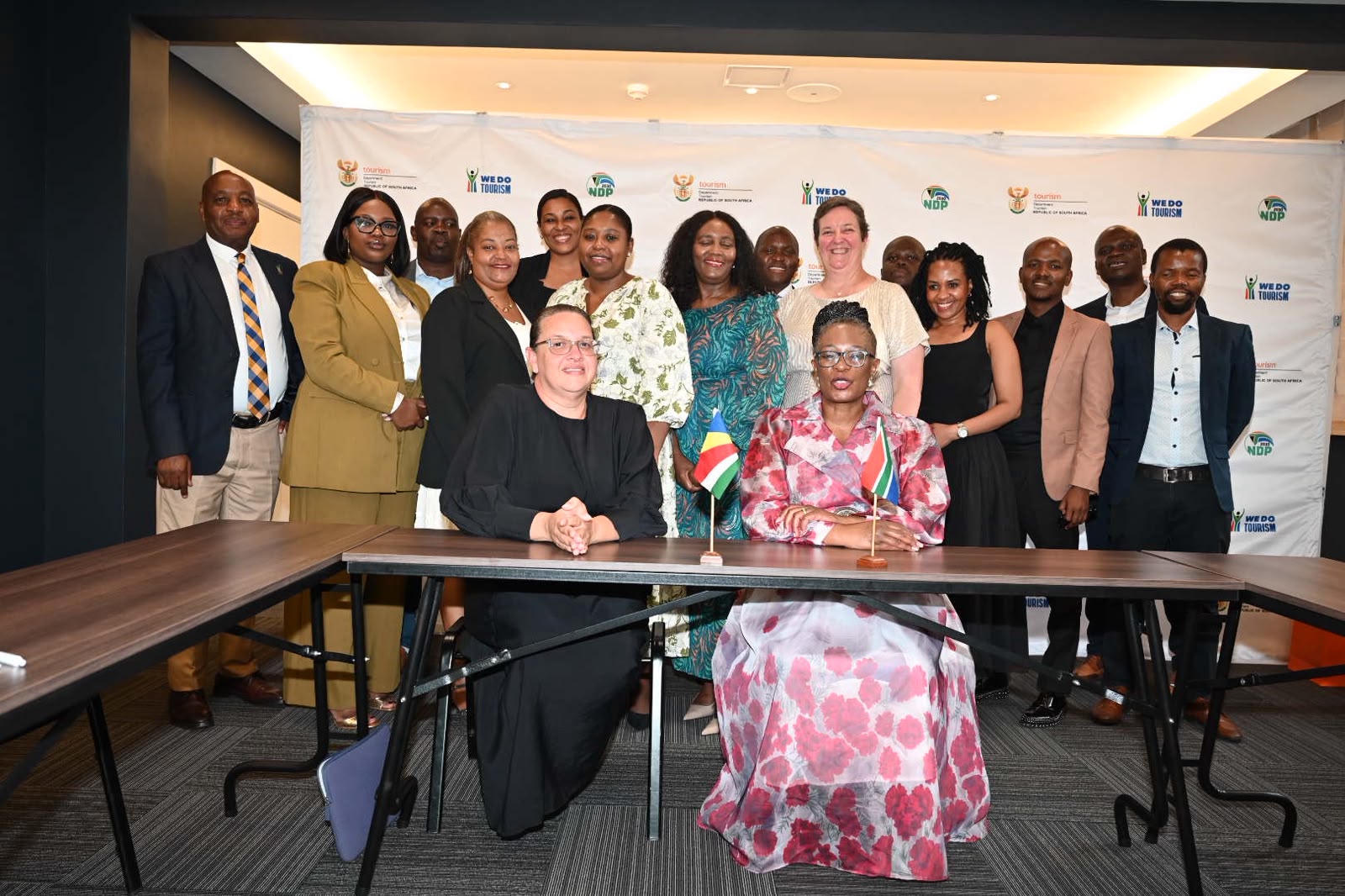
The establishment of the JTTC builds on more than three decades of bilateral relations between South Africa and Seychelles, supported by the 2007 General Cooperation Agreement, the 2013 tourism cooperation agreement and their shared membership of the Southern African Development Community (SADC).
Importantly, the Committee provides a platform for moving beyond policy dialogue towards the implementation and monitoring of agreed tourism initiatives.
Ms Setwaba underscored the need for the partnership to deliver practical benefits for tourism professionals and businesses in both countries.

“By the time we meet again, I would like us to be able to point to a training opportunity that has opened, a partnership that has begun or a practice that one country has learned from the other and put to use. Those are the results that will give this partnership meaning for the people who work in tourism in both our countries,” she said.
With the Joint Tourism Technical Committee now established, South Africa and Seychelles have a renewed platform to advance skills mobility, strengthen destination competitiveness and foster industry partnerships.
The next priority will be translating the proposed initiatives into implemented projects that create opportunities for tourism businesses, professionals and communities, while contributing to a more connected and competitive African tourism sector.