


Photo: Botswana’s Vice President Ndaba Nkosinathi Gaolathe
Botswana is stepping up efforts to position tourism as a major driver of economic diversification, employment and investment, with Vice President Ndaba Nkosinathi Gaolathe calling for stronger partnerships and greater participation by local businesses in the sector.
Speaking at the opening of the 12th Botswana Travel and Tourism Expo (BTTE) 2026 on November 23 in Kasane, Gaolathe said tourism has an increasingly important role to play as the country seeks to broaden its economic foundations amid changing conditions in the global diamond market.
“The diamond industry has helped finance decades of development, but the changes in that market reinforce the urgency of broadening the foundations of our economy. Tourism has a substantial part to play,” he said.
He described tourism as an export industry with the unique advantage of bringing international consumers directly into the country.
“Tourism is an export whose customers travel to us. The world comes here to experience Botswana,” Gaolathe said, adding that visitor spending can benefit transport businesses, farmers, artists and the communities that welcome tourists.
A key ambition outlined in the country’s National Development Plan 12 is to increase tourism-related employment from approximately 50,500 to 64,600 jobs by the 2029/2030 financial year.
Gaolathe said the figures represent more than employment targets, pointing to the opportunities they could create for families, young people and businesses across the country.
“Behind those numbers are families seeking dependable incomes, young people looking for their first opportunity and enterprises ready to grow,” he said.
The Vice President called for a broader approach to tourism development, urging the industry to encourage visitors to stay longer, explore more destinations and spend in different parts of Botswana.
While highlighting Kasane and the Chobe region as important tourism gateways, he identified opportunities to connect visitors with destinations such as the Tsodilo Hills, Makgadikgadi and Kgalagadi, alongside the country’s cultural heritage and creative industries.
“Wildlife will remain a defining strength, alongside opportunities in cultural and community tourism, sports, adventure and business events,” he said.
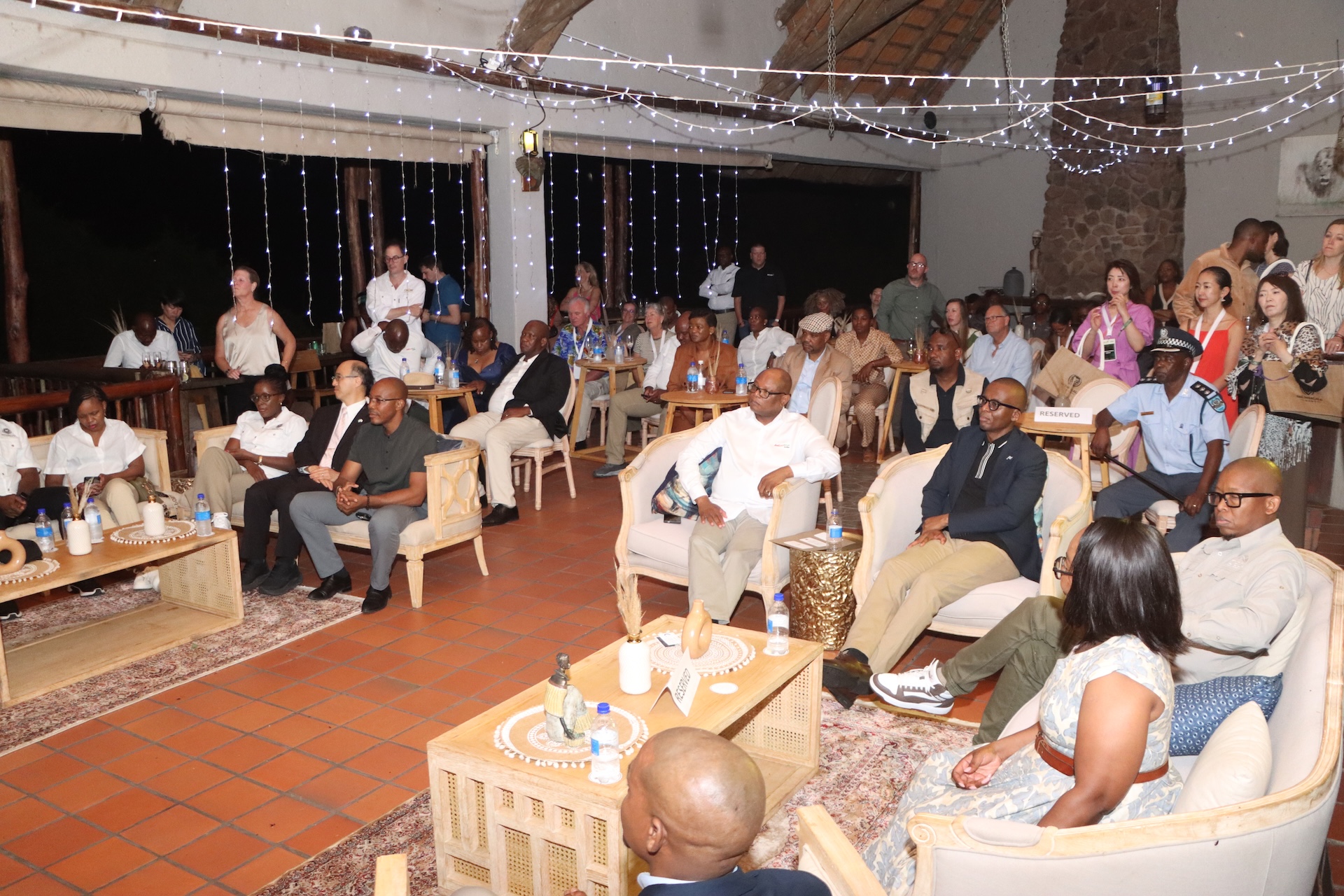
The 2026 expo, which returns following an interruption the previous year, brings together approximately 60 local tourism operators and international buyers for destination workshops, familiarization tours and structured business engagements.
Gaolathe said the gathering must translate into tangible commercial outcomes, including new bookings, investment and long-term partnerships.
“We begin tonight with hospitality. But the business of this week is business,” he told delegates, emphasizing that the expo’s success would depend on the relationships developed and the commercial opportunities generated.
He also stressed the importance of strengthening local supply chains, encouraging tourism establishments to source more goods and services from Botswana-owned businesses.
“When a lodge buys fresh produce from a local farmer, when an operator works with a citizen-owned transport business, or when a visitor purchases the work of a Botswana artist, tourism begins to nourish the wider economy,” he said.
He called for greater opportunities for citizen-owned enterprises, women, young people and community tourism businesses, while urging closer collaboration between hospitality businesses and training institutions to equip Batswana with practical skills.
On infrastructure and investment, the Vice President highlighted the importance of reliable roads, airport connections and digital platforms in helping tourism businesses reach international markets. He also pointed to the Kasane-Kazungula Redevelopment Project as part of efforts to strengthen the region as a tourism and investment hub.
Beyond economic growth, Gaolathe emphasized that tourism development must remain environmentally responsible and ensure that communities living alongside wildlife benefit meaningfully from conservation.
“The Chobe River, its wildlife and the ecosystems around us are an extraordinary inheritance. They are also an economic asset that requires careful stewardship,” he said.
He added that responsible growth and meaningful community participation must remain central to Botswana’s tourism development agenda.
For international buyers attending the expo, Gaolathe encouraged them to explore opportunities beyond established itineraries, engage with emerging citizen-owned operators and consider new tourism circuits.
He said the ultimate value of the expo would be determined by what happens after delegates leave Kasane.
“The value of BTTE will ultimately be judged by what happens after the delegates have gone home. By the contracts honoured, the bookings secured, the new routes opened and the Botswana livelihoods strengthened through those decisions,” he said.
With its internationally recognized wildlife attractions and growing ambition to diversify its tourism offerings, Botswana is seeking to transform tourism into a more inclusive and sustainable pillar of its economy.