

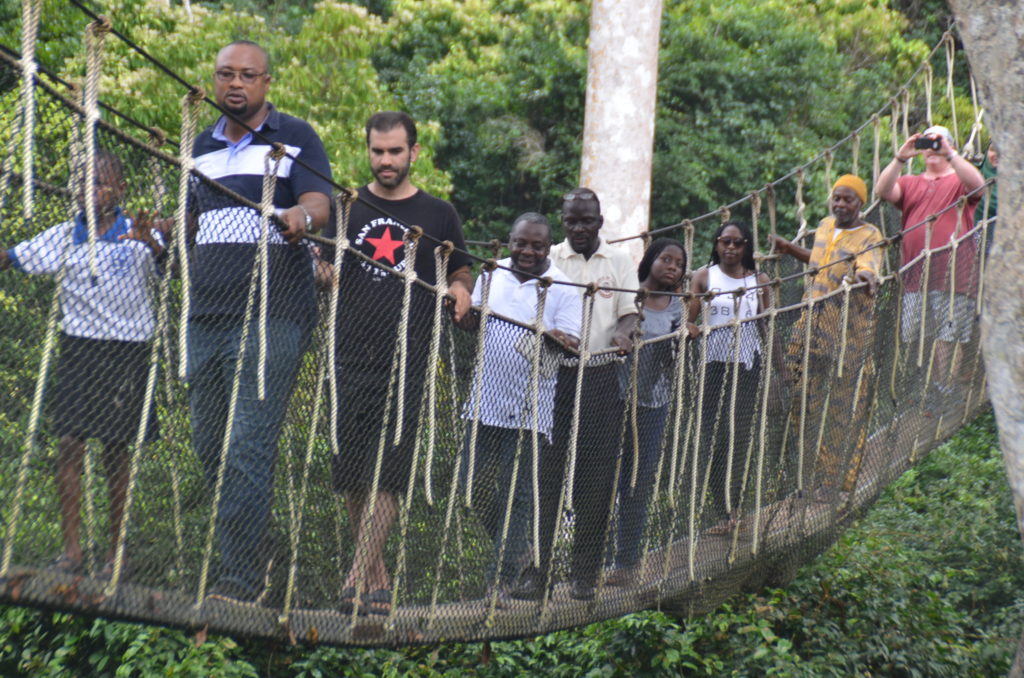
Tourism is dubbed a “sunrise” sector that can switch on for inclusive socio-economic growth. It cuts across societal challenges and upheavals. The continent of Africa recognises tourism as one engine of sustainable development, including positive effects on environmental preservation, effective resources management and job creation. Tourism contributes 1 in 11 jobs in the continent. Before the novel corona virus pandemic, it was predicted that by 2023, tourism could contribute over 20 percent of the continents Gross Domestic Product (GDP).
Despite progress made, the sector continues to experience increased and unpredictable shocks from global terrorism; political instability; health pandemics; natural disasters and negative media. More so, poor air connectivity; lack of infrastructure; lack of capacity at the hospitality industry, and strict visa regulation have proved to be cogs. Strict visa regulation stirs negative socio-economic spin-offs. UNWTO report of 2018 shows that apart from increasing cost of doing business in the continent, the share of intra-Africa total travel is behind those of the other continent. Lesser intra-Africa travels stems from restricted movement of people, goods and services.
But Africa’s enrichment with diverse heritage and natural assets: landscapes, unique flora and fauna keep sustaining growth. In addition, harmonization of policies and programmes in the continent, such as the Continental Free Trade Area (CFTA) and action plan for Boosting Intra-African Trade (BIAT) has played important roles. These programmes and policies are fundamental to enhancing state-business relationships, through public-private partnerships and dovetailing of the operationalization of Open Skies for Africa; the African Common Passport; the AU Agenda 2063, and the UN Sustainable Development Goals (SDGs).

Continental bodies such as the African Union Development Agency (AUDA-NEPAD) has been at the forefront of enacting policies and pushing the tourism agenda. One of the state-business collaboration is the NEPAD-led Program for Infrastructure Development in Africa (PIDA). It encourages regional cooperation as means of building common infrastructure. PIDA helps to strengthen the ability of countries to establish regional value chains for increased competitiveness, trade and the free movement of African citizens. PIDA projects spread across four sectors of: energy, transport, Information and Communication Technology (ICT) and trans-boundary Water.
Though the novel corona virus pandemic is an enormous set back to progress made, this sunrise sector would rise again and lead economic recovery across the continent. It is pertinent to keep building partnerships in the continent for increased investment in the tourism, robust coordination and alignment of Africa’s recovery efforts, including positioning the continent as the preferred tourism destination.
Author: Vincent Oparah (Tourism Advisor, AUDA-NEPAD)