
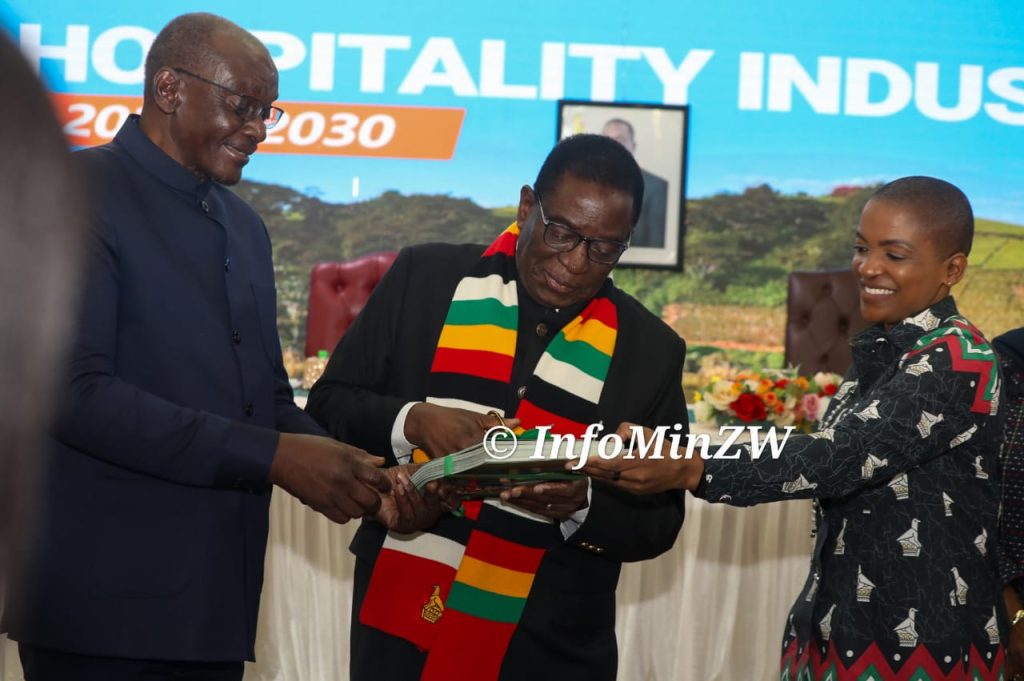
PRESIDENT Emmerson Mnangagwa has launched the Tourism and Hospitality Industry Policy anchored on six goals, amid calls that modernisation and development of new tourism products must not affect natural habitats, cultural traditions, values and norms.
The five-year policy will reposition Zimbabwe as a premier tourist destination, while providing a campus that will guide stakeholders towards the development of the industry.
Launching the policy in Harare this Monday, President Mnangagwa said the promotion of the sector must be guided by the country’s national development philosophy.
“This event is occurring at a time when the tourism and hospitality industry has become one of the key contributors to the national GDP, after manufacturing, agriculture and mining sectors. This has seen the tourism sector playing its part in the increase of our GDP from US$16 billion in 2018 to the current levels of over US$44 billion. To further consolidate this growth trajectory, my government adopted a comprehensive Tourism and Hospitality Industry Growth Strategy, which includes the development and implementation of a robust tourism policy,” he said.
“Additionally, attendant enablers and projects are ongoing to enhance targeted tourism development and promotion in our country. The unveiling of this policy is, therefore, timely as it dovetails with our national development agenda. It also echoes the collective aspirations of the people of our great motherland, Zimbabwe, to establish, promote and enjoy a prosperous and fulfilling quality of life.”
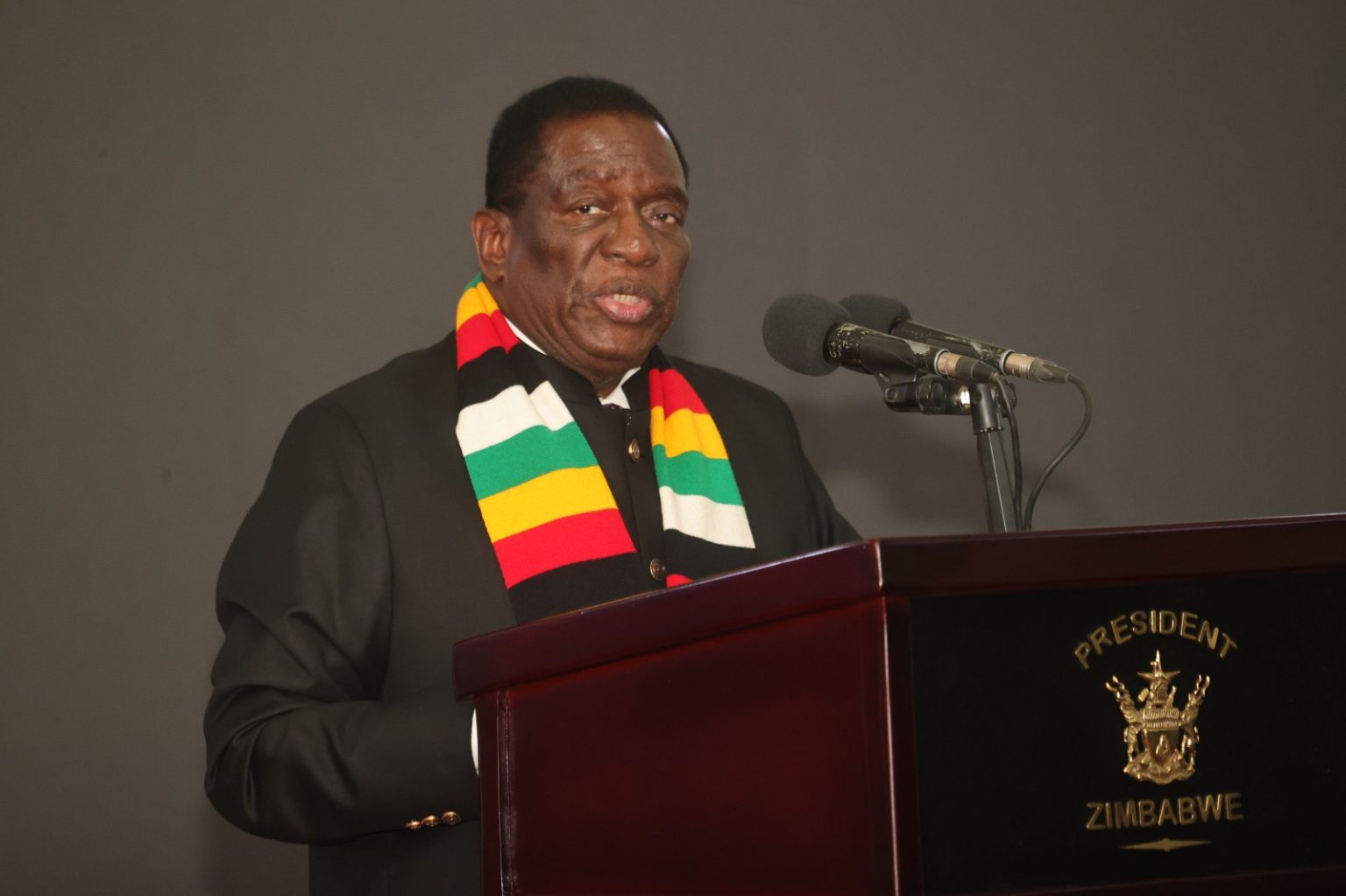
The Head of State challenged stakeholders to remain engaged with the people so that their concerns are addressed for the good of the industry.
“The realisation of a balanced tourism and hospitality industry is essential for equitable development that benefits local communities in both rural and urban areas. It is commendable that the development of the Tourism and Hospitality Industry Policy involved broad consultations, with the perspectives of our people being heard, while critical gaps within the sector were identified. Going forward, you are challenged to remain engaged with the people, making sure that their concerns are not only heard but also addressed, where necessary.
“The socio-economic benefits from the tourism sector should ultimately cascade to all Zimbabwe, including marginalised and vulnerable communities. As we scale up growth within the tourism and hospitality industry, it is critically important that we do so with the rest of society and our economy in mind. Due attention must be given to protecting and preserving our flora and fauna. The modernisation and development of new tourist products must not be to the detriment of our natural habitats, cultural traditions, values and norms, in our quest to develop Zimbabwe into a prime tourism destination that is informed by international best practice.”
The tourism industry has recorded new infrastructure and products that are playing a critical role towards attracting visitors.
“Under the Second Republic, tourism is private sector-driven, community-owned and facilitated by the government. This tripartite model must be nurtured to ensure that all actors in the tourism ecosystem are fully engaged in shaping and benefiting from the sector. It is pleasing that, to date, several notable projects have been completed towards the growth and modernisation of the tourism sector. We take note of increased investments in hospitality infrastructure.
“The increase of high-quality Airbnb’s is a trend that must be appropriately regulated and supported by our country’s hospitality industry, along with other products that cater for various target groups. The ongoing branding of our airports and border posts, the national beautification programme, and the refurbishment of flagship hotels, including Rainbow Tourism Group, Cresta Hotels, and Africa Sun, will go a long way towards enhancing the country’s hospitality infrastructure and readiness to host visitors from across the world,” the President said.
Despite the sector being largely driven by the private sector, the government is ensuring all tourist attractions are accessible through the development of road infrastructure across the country.
In line with the mantra of leaving no one and place behind, the Sanganai/Hlanganani Tourism Expo will be held in Manicaland Province next month.