
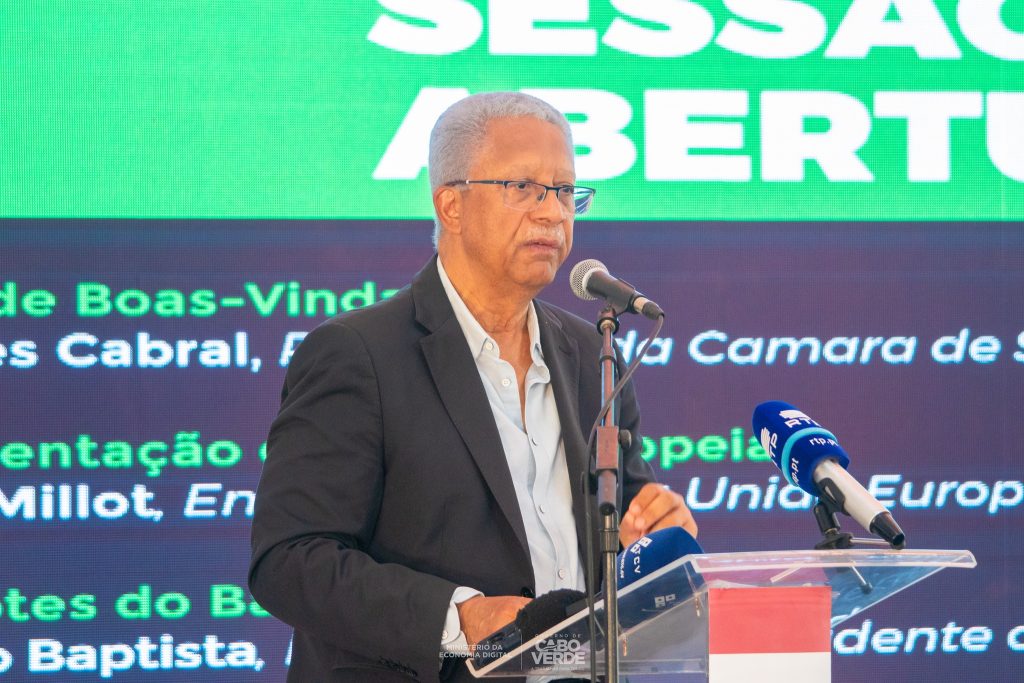
Cabo Verde has reaffirmed its commitment to repositioning tourism as a driver of inclusive and sustainable development, placing rural and nature tourism at the heart of its national strategy. Speaking at the 3rd International Conference on Rural and Nature Tourism, held on the island of Santiago, the country’s Minister of Tourism and Transport, Dr. José Luís Sá Nogueira, underscored the importance of decentralizing tourism beyond the traditional sun-and-sea model.
“This third edition, after the remarkable success of São Antão in 2023 and São Nicolau in 2024, reaffirms the Government’s commitment to the territorial decentralization of tourism,” Dr. Sá Nogueira declared. “We are bringing to islands with low incidence in the Sun and Beach segment a form of tourism closer to communities, one that produces direct impact, always with the backdrop of job creation and higher income, while valuing and preserving both material and immaterial assets.”
Dr. Sá Nogueira highlighted the Operational Tourism Program (POT 2022–2026) as the guiding instrument for implementation. Under this framework, the government has mobilized approximately 4.7 million contos for investments dedicated to rural and nature tourism across Santiago, Santo Antão, São Nicolau, Fogo, and Brava.
“Since the start of POT’s implementation in 2022, more than 1.5 million contos have already been executed in the nature tourism segment by the first half of this year,” Dr. Sá Nogueira confirmed. The allocations target projects such as accessibility, port infrastructure, and urban requalification — foundational enablers to support sustainable product development.

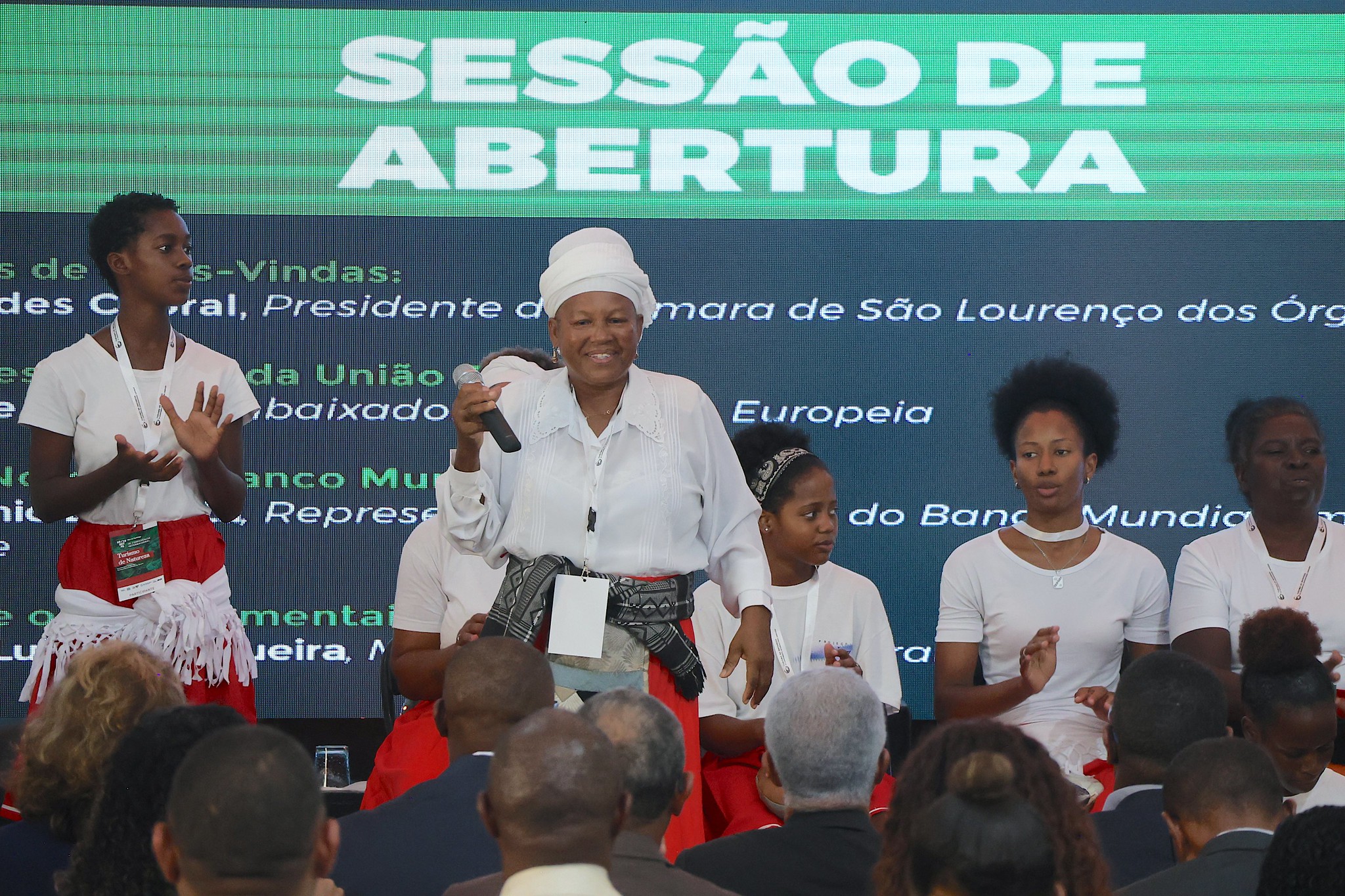
The Santiago conference, aligned with the global celebration of World Tourism Day on September 27, assembled government officials, private operators, development partners, and international guests. Its programme featured interactive sessions designed to share best practices and explore the operational realities of developing rural and nature-based tourism.
Among the themes addressed were the process of tourism development on Santiago, sustainability and heritage within a circular economy framework, tourism in protected areas, the design of routes, and adventure tourism through hiking trails.
“These discussions are not theoretical,” Dr. Sá Nogueira stressed. “They are about aligning conservation with livelihood creation, ensuring that our natural and cultural resources generate value for communities while remaining preserved for future generations.”
Acknowledging the structural barriers that have long constrained mobility across the archipelago, Dr. Sá Nogueiraemphasized aviation as a crucial component of the country’s tourism strategy. He drew attention to the establishment of Linhas Aéreas de Cabo Verde, a new domestic airline created with a public service obligation to guarantee inter-island connectivity.
“Against all the difficulties inherent to the aviation industry, aggravated by the impact of Covid-19, the Government launched a new company specifically to respond to the growing demand of tourism and our Diaspora,” he said. “With the arrival of the first two ATR aircraft, we begin a new phase in mobility, a factor crucial to the development of the national economy and in the fight against regional asymmetries.”
The conference agenda was deliberately aligned with the 2025 World Tourism Day theme: Transformation and Sustainability of Tourism. Dr. Sá Nogueira reminded participants that the sector offers opportunities not just for economic growth but also for climate action and building resilience.
“The tourism sector provides opportunities for balanced, inclusive, and people-centered development,” he noted. “It allows us to accelerate climate action and provide greater sustainability to the planet, fully aligned with the Sustainable Development Goals.”
For investors and operators, Cape Verde’s message was clear: the framework is in place, resources are mobilized, and connectivity is being secured. For policymakers and community leaders, the challenge is to ensure that the promised benefits reach local populations, particularly on islands less dependent on traditional beach tourism.
The conference on Santiago, Dr. Sá Nogueira concluded, “represents the highlight of a vast programme that not only celebrates World Tourism Day but also advances our vision of positioning Cape Verde as a global destination for sustainable, inclusive, and diversified tourism.”