
Day One of Creatives Connect Afrika got underway yesterday in Accra, Ghana’s capital with an impactful momentum at the La Palm Royal Beach Hotel, drawing together influential leaders, creators, policymakers, entrepreneurs and industry experts from across the continent.
Organized by Africa Tourism Partners (ATP) in collaboration with the African Continental Free Trade Area (AfCFTA) Secretariat and the Black Star Experience the gathering opened with a compelling message: Africa’s creative economy stands at a defining moment of transformation, driven by collaboration, strengthened policy frameworks, and a shared commitment to cultural preservation and global market expansion.
Representing the AfCFTA Secretary General, Emily Mburu-Ndoria, Director of Trade in Services, Investments, Intellectual Property Rights and Digital Trade, in her address, called for a unified approach to unlocking Africa’s creative potential.
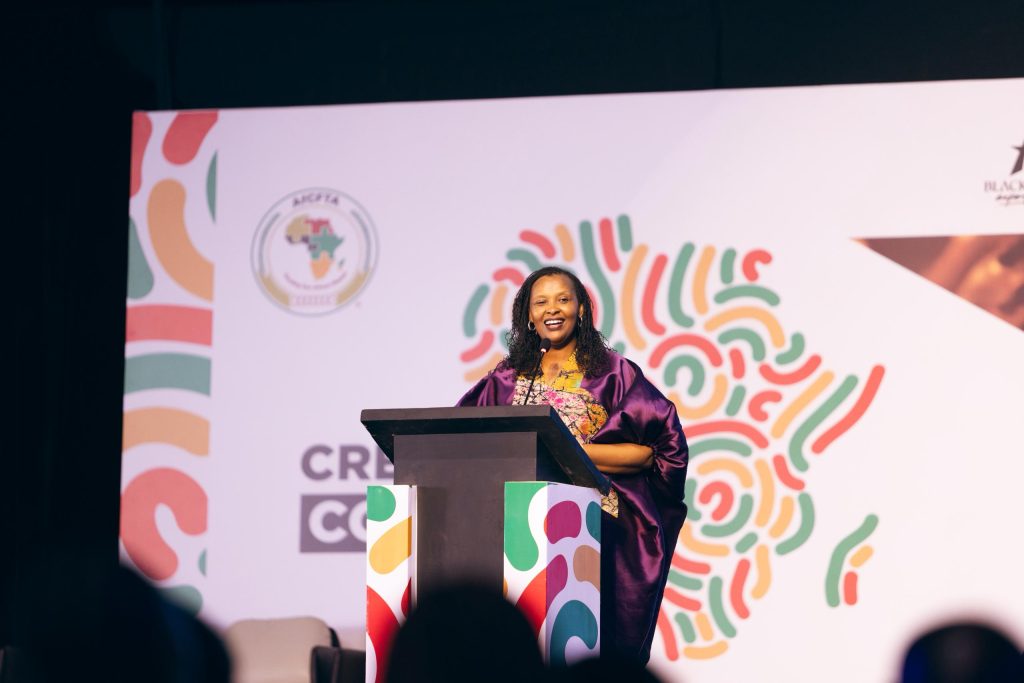
“Creatives Connect Afrika is not just an event, it is a platform for realizing the strength of African creativity and ensuring that film, fashion, music, design, gaming, literature and tourism can thrive across borders,” she said.
She emphasized that the AfCFTA is placing strong focus on building a continental digital marketplace, harmonizing intellectual property frameworks, and enabling creators to trade, earn and scale without barriers.
“Our creatives are the heart of Africa’s cultural identity. We must provide the right structures to protect their work, strengthen metadata, and support seamless cross-border business,” she added.
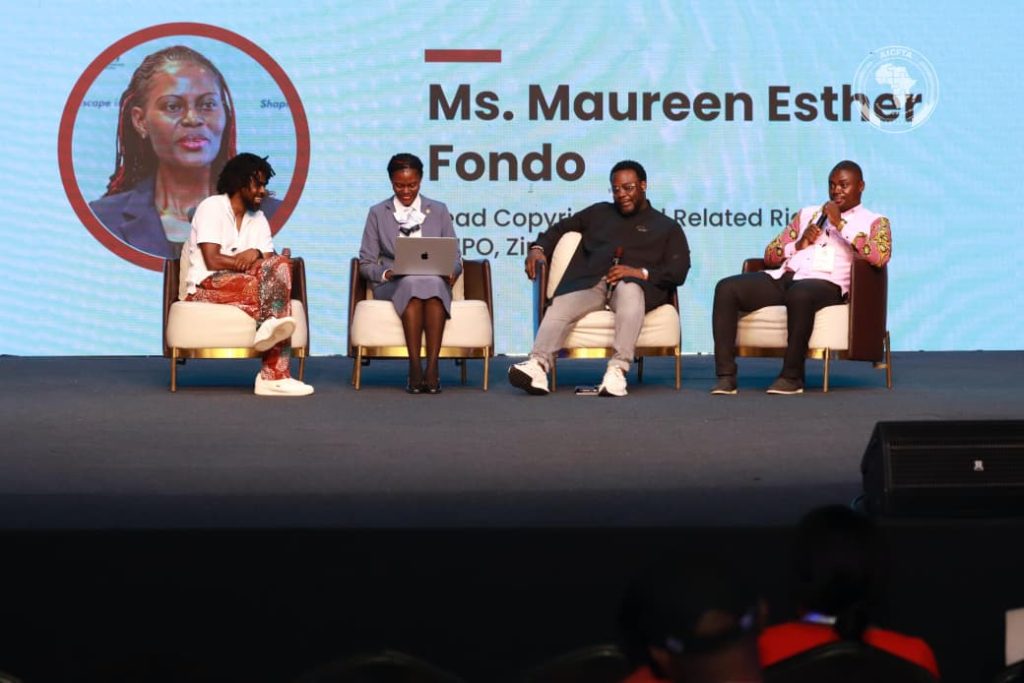
The day featured a rich sequence of masterclass presentations addressing copyright, revenue generation, digital infrastructure, cross-border mobility, market access, and the urgent need for improved metadata systems to track ownership and protect creators’ work.
Ms. Khadijat El-Alawa, Head of Music and Talent for AfroFuture Ghana, delivered a compelling intervention on the deep challenges surrounding music sampling, rights clearance and accountability.
“We struggle with weak metadata, and this slows creativity. My team has spent almost a year trying to track true ownership of a single song. If we fix this, we empower generations of creators to reuse, reinterpret and revive music from 20, 30 or even 40 years ago, and keep our cultural heritage relevant,” she stated.
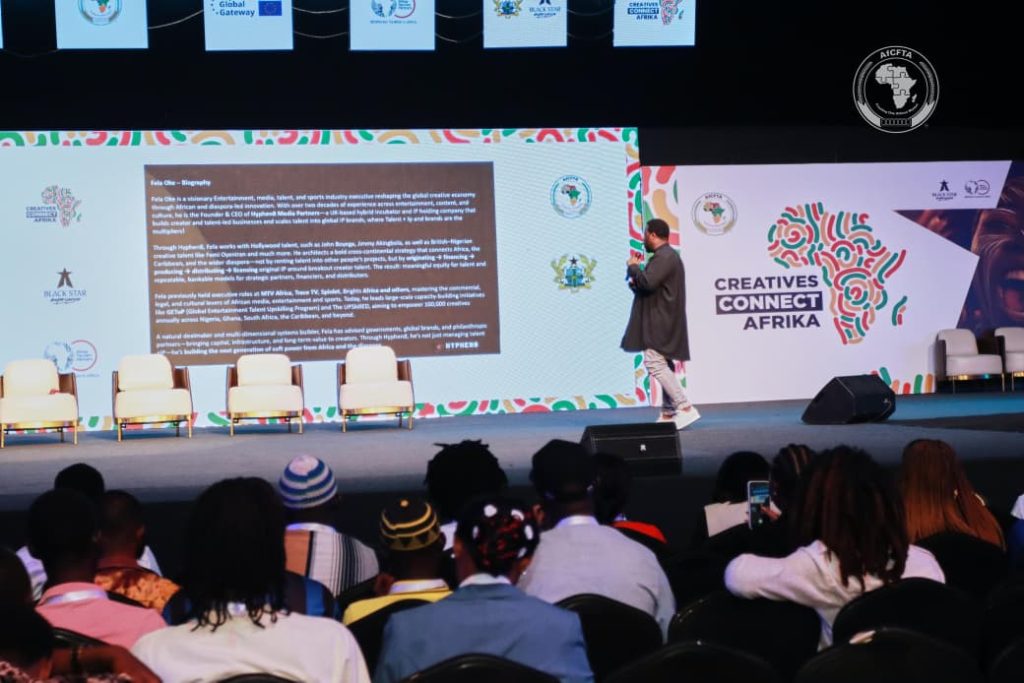
Huguette Umutoni, Founder of Umu Group, delivered an impactful presentation on the role of storytelling and visual identity in shaping Africa’s place in the global creative economy. She underscored the need to reposition African design and narrative as central to branding, product development and digital media.
“African creatives must own their stories and shape their visual identity. The world is looking at Africa, but it is our responsibility to lead how that story is told,” she noted.
Other speakers highlighted emerging opportunities in film distribution, fashion value chains, creative financing, and the use of digital trade to scale African-made products. Sessions also covered the development of intellectual property frameworks, the role of tourism in amplifying cultural expression, and the need for intra-African collaboration to drive global market competitiveness.
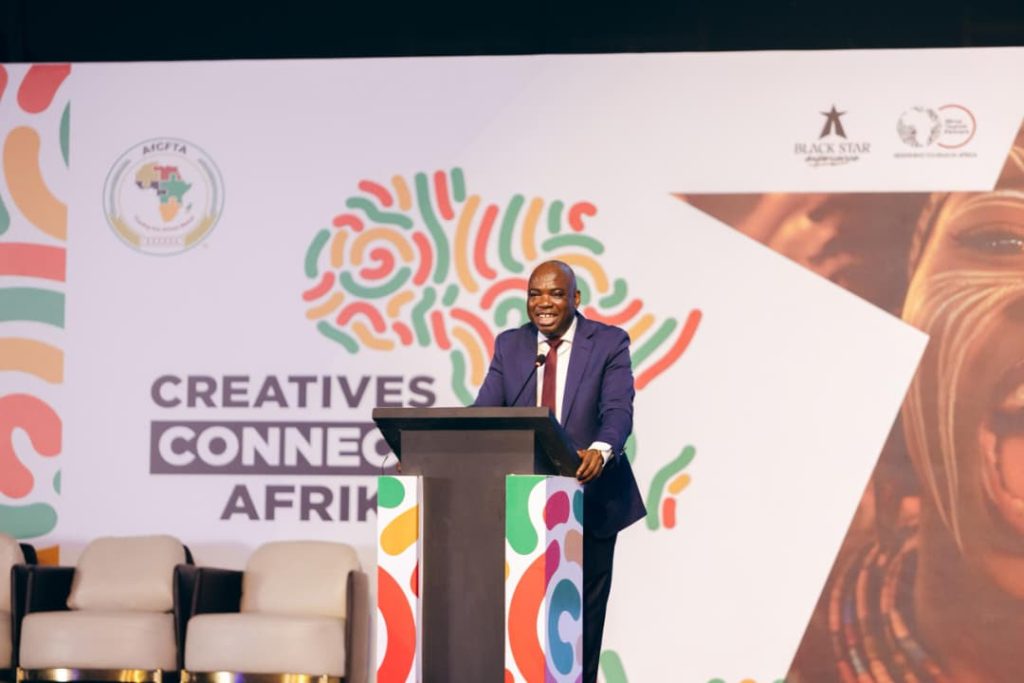
In his remarks, Kwakye Donkor, Chief Executive Officer of Africa Tourism Partners, emphasized the need for structured industry collaboration and a unified ecosystem.
“Africa’s creative economy has immense value, but it cannot grow in isolation. We must collaborate, innovate and share knowledge, because that is how we build competitiveness, seize emerging opportunities, and unlock new markets,” he said.
He added that the forum is expected to serve as a catalyst for long-term partnerships, policy alignment and investment mobilization.
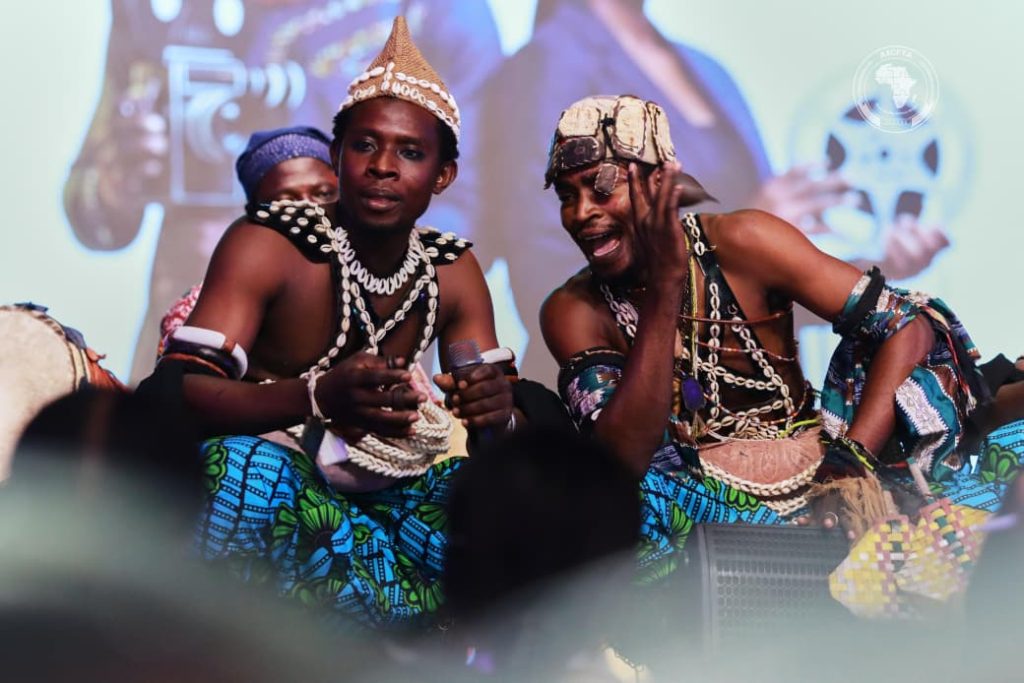
Adding colour and vibrancy to the forum, delegates were treated to a captivating cultural performance, which energized the room and highlighted the significance of safeguarding Africa’s artistic heritage. The performance served as a reminder of the creative sector’s deep roots in tradition, identity and communal storytelling.
The day also featured an exhibition of authentic Made-in-Africa and Made-in-Ghana products, highlighting textiles, fashion, natural cosmetics, crafts, design pieces and cultural artefacts. Exhibitors engaged directly with delegates, demonstrating the economic potential of creative entrepreneurship and the role of small businesses in driving intra-African trade.
Discussions throughout the day consistently reinforced the importance of the AfCFTA in enabling creators to scale their businesses and reach new audiences. Speakers outlined pathways for digital trade, harmonized policy, improved data systems, and strengthened intellectual property protections, all essential for unlocking revenue streams and expanding Africa’s influence in global creative markets.
Industry participants expressed optimism that Creatives Connect Afrika will become a long-term continental platform for advancing the creative industries and positioning African creators competitively on the global stage.
With stakeholders energized, the stage is set for the official opening ceremony today, 25 November 2025, where ministers, senior policymakers, continental institutions and creative leaders will officially launch the broader programme of activities.
Day two will deepen discussions on financing, innovation, copyright, digital trade and cross-sector collaboration, while highlighting more creative expressions that highlight Africa’s cultural richness and entrepreneurial excellence.
Creatives Connect Afrika continues to affirm its purpose: to empower Africa’s creators, strengthen cultural identity, and position the continent’s creative economy for sustainable growth.