
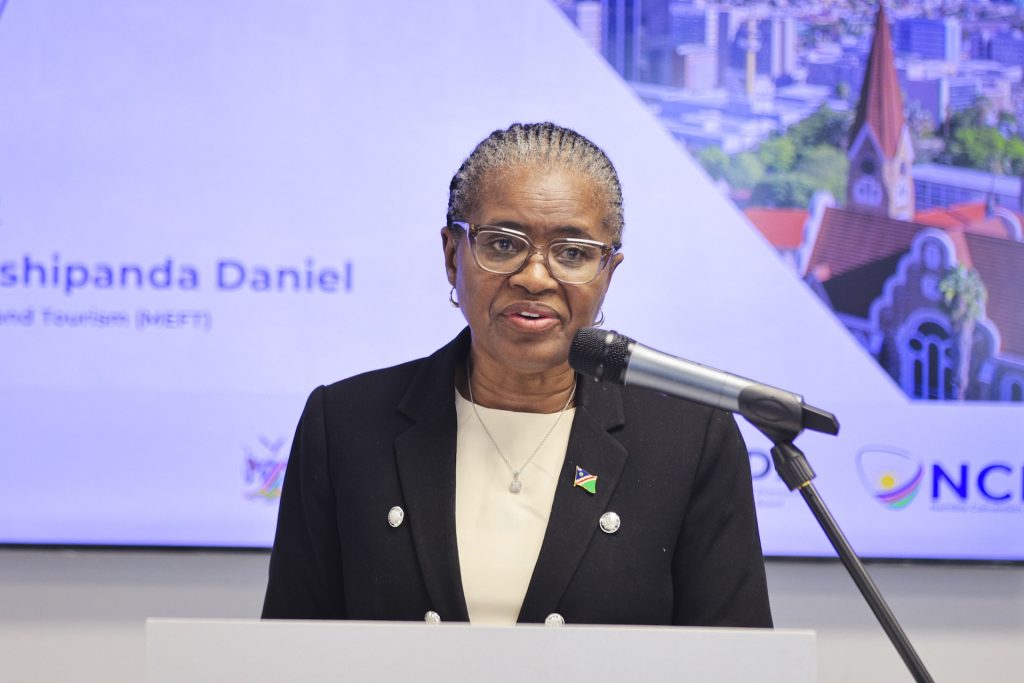
Namibia has taken a decisive step toward strengthening its position in the global meetings and events industry with the official launch of the Namibia Convention Bureau (NCB). Unveiled in Windhoek on Tuesday, the new body will serve as the central coordinating agency to market the country as a competitive destination for Meetings, Incentives, Conferences and Exhibitions (MICE), with the launch officiated by Minister of Environment, Forestry and Tourism, Hon. Indileni Daniel.
Following Cabinet approval in September 2023, the NCB was established to diversify Namibia’s tourism sector and unlock new opportunities in the high-value MICE space. The initiative aligns with the Tourism Sector Recovery Plan (2022-2024), the National Spatial Tourism Master Plan (2025-2035), and the Government’s overall objective to create 500,000 jobs across various sectors of the economy. The NCB is currently hosted under the Namibia Investment Promotion and Development Board (NIPDB) during its incubation period, until the sector matures to support an independent bureau. The NCB will serve as Namibia’s official point of contact for event organisers bringing international meetings, incentives, conferences and events/exhibitions to the country, and will amongst others coordinate national bidding for international conferences, support event logistics, and administer the MICE Visa programme.
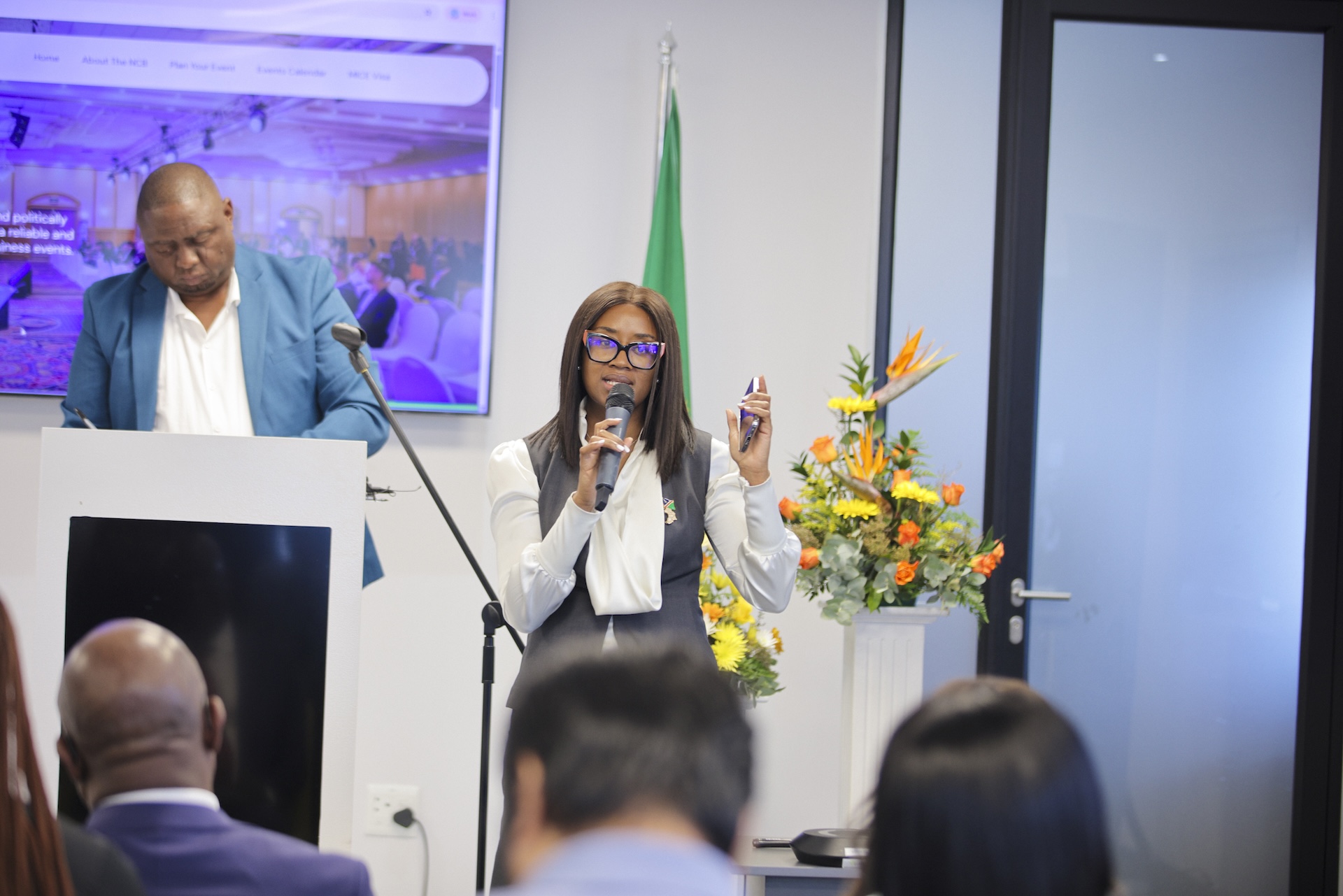
Speaking at the launch, NIPDB CEO, Dr. Nangula Nelulu Uaandja highlighted that the establishment of the Convention Bureau represents a strategic milestone in Namibia’s economic diversification journey. “The MICE sector is not just about events, it is about unlocking new pathways for investment, trade, and tourism,” said Nelulu Uaandja adding that “when global decision-makers come to Namibia for conferences and exhibitions, they don’t only consume services; they build relationships, explore business opportunities, and ultimately invest in our economy.”
Officially launching the NCB, Hon. Indileni Daniel, stated that the launch is a demonstration of Namibia’s readiness to compete in the global business events market. The Minister further called for collaboration between the government and the private sector to grow the MICE industry, empower MSMEs, and contribute to national economic diversification.
“The government has shown its commitment by modernising legislation, streamlining processes, and even introducing the MICE Visa to ease delegate entry. But success depends on partnership. We invite investors, venue owners, hotel developers, service providers, and entrepreneurs to join us in building a world-class Namibian MICE experience. Namibia needs state-of-the-art conference centres, expanded accommodation capacity, modern technology infrastructure, creative sector services, and professional event organisers”, said Hon. Daniel.
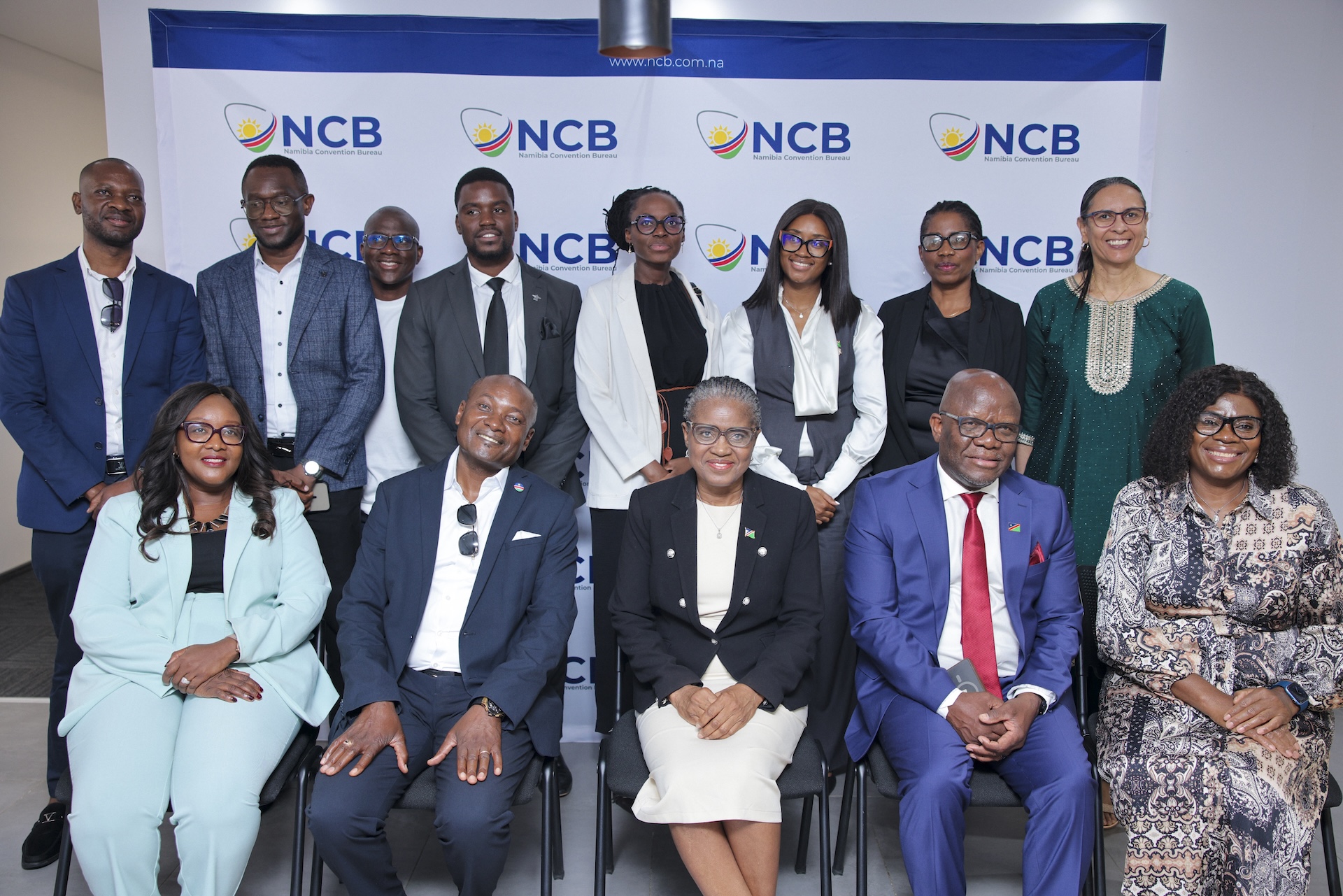
Since June this year, the NCB has facilitated 1,186 MICE visa applications, with 978 visas issued and generating close to N$1,5 million in revenue.
In 2025 alone, Namibia hosted 22 MICE events, creating employment opportunities while stimulating economic activity in the country. These events, which included the Global African Hydrogen Summit, Namibia Oil and Gas Conference, and Africa Infrastructure Finance Summit attracted over 2000 delegates and injected over N$23 million directly into the local economy. Further to that, these events also delivered tangible benefits to local businesses, particularly those in hospitality, transport, catering, event management, printing, tour operations and retail supply chains amongst others, highlighting the role of MICE as a significant driver of economic activity and employment creation for Namibia.

The NCB invites Namibian businesses to register as service providers, including operators in hospitality, event management, audiovisual services and exhibition stand construction. The full list of services is available on the NCB website (www.ncb.com.na).
Following the official launch, the NCB’s 2026 strategic goals include developing a comprehensive global marketing strategy, as well as developing and implementing MICE policies and regulatory frameworks through targeted workshops, amongst others.