

Africa’s presence at FITUR 2026 was defined less by spectacle and more by intent. Across the halls of Madrid’s flagship tourism trade fair, African destinations presented a unified, business-focused posture, signalling a continent increasingly confident in how it positions, packages and sells its tourism offer to the European market.
Rather than leaning on familiar imagery, African tourism stakeholders used FITUR to articulate a broader, more layered narrative, one grounded in culture, heritage, gastronomy, business events and year-round travel. This collective approach reflected a clear shift towards long-term value creation, partnerships and market relevance.
Mauritius offered a telling example of this evolving mindset. Speaking on the sidelines of FITUR, Benoit Harter, Director of the Mauritius Tourism Promotion Authority, outlined a recalibration of the island’s tourism vision for the decade ahead. He acknowledged the need to move beyond traditional perceptions and reposition Mauritius through a more diversified and authentic lens.
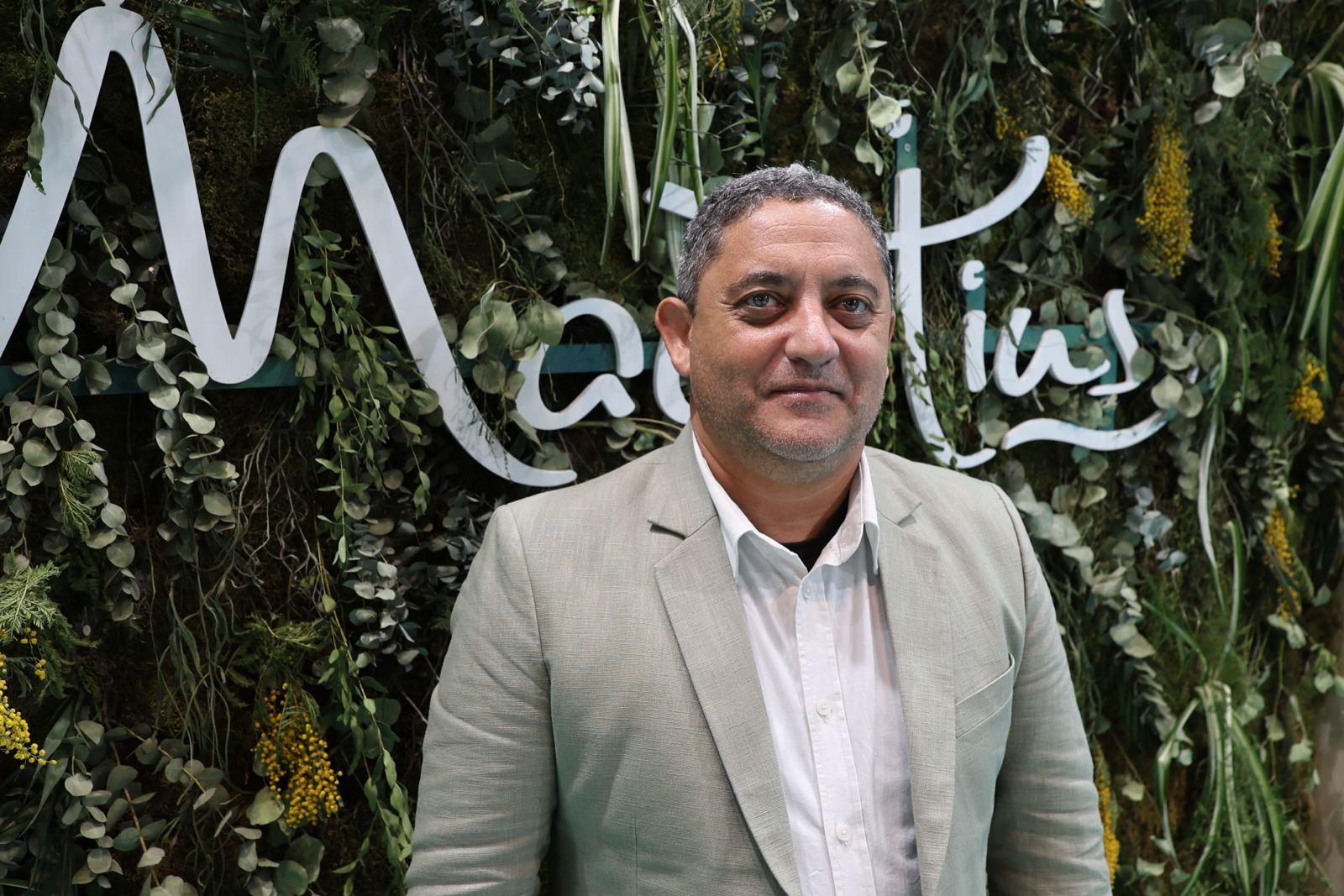
Benoit Harter, Director of the Mauritius Tourism Promotion Authority
“To go back on track and get a new positioning for the vision for the coming ten years, our main priority is to show that Mauritius is not only about beaches, sun and hotels,” Harter said. “We also have ecotourism, culture, culinary experiences and authenticity. These are treasures we must let people know about.”
His remarks captured a broader continental conversation unfolding at FITUR. African destinations, Mauritius included, are increasingly focused on communicating experiences that speak to place, people and purpose. Ecotourism, cultural tourism and gastronomy are no longer complementary products, they are central to destination identity and competitiveness.
Harter emphasised that the shift is also about emotional connection and storytelling. “We have to live gorgeous and share gorgeous,” he noted, pointing to the importance of delivering extraordinary experiences rooted in authenticity rather than uniform resort offerings. The strategy aligns with changing European traveller expectations, particularly in markets such as Spain, where demand is growing for cultural immersion, green season travel and experiences that extend beyond peak periods.
Africa’s collective presence at FITUR also reflected a more mature engagement with theEuropean market. Rather than focusing on visibility alone, destinations prioritised structured B2B engagement, relationship building and deal-making. This approach was evident in the growing participation of industry bodies and trade associations seeking to equip members with market intelligence and long-term access.
For the first time, the African Travel and Tourism Association, ATTA, was represented at FITUR, marking an important step in aligning African private sector operators with European trade dynamics. ATTA’s presence underscored the recognition that sustainable growth in Europe requires preparation, insight and strategic partnerships.
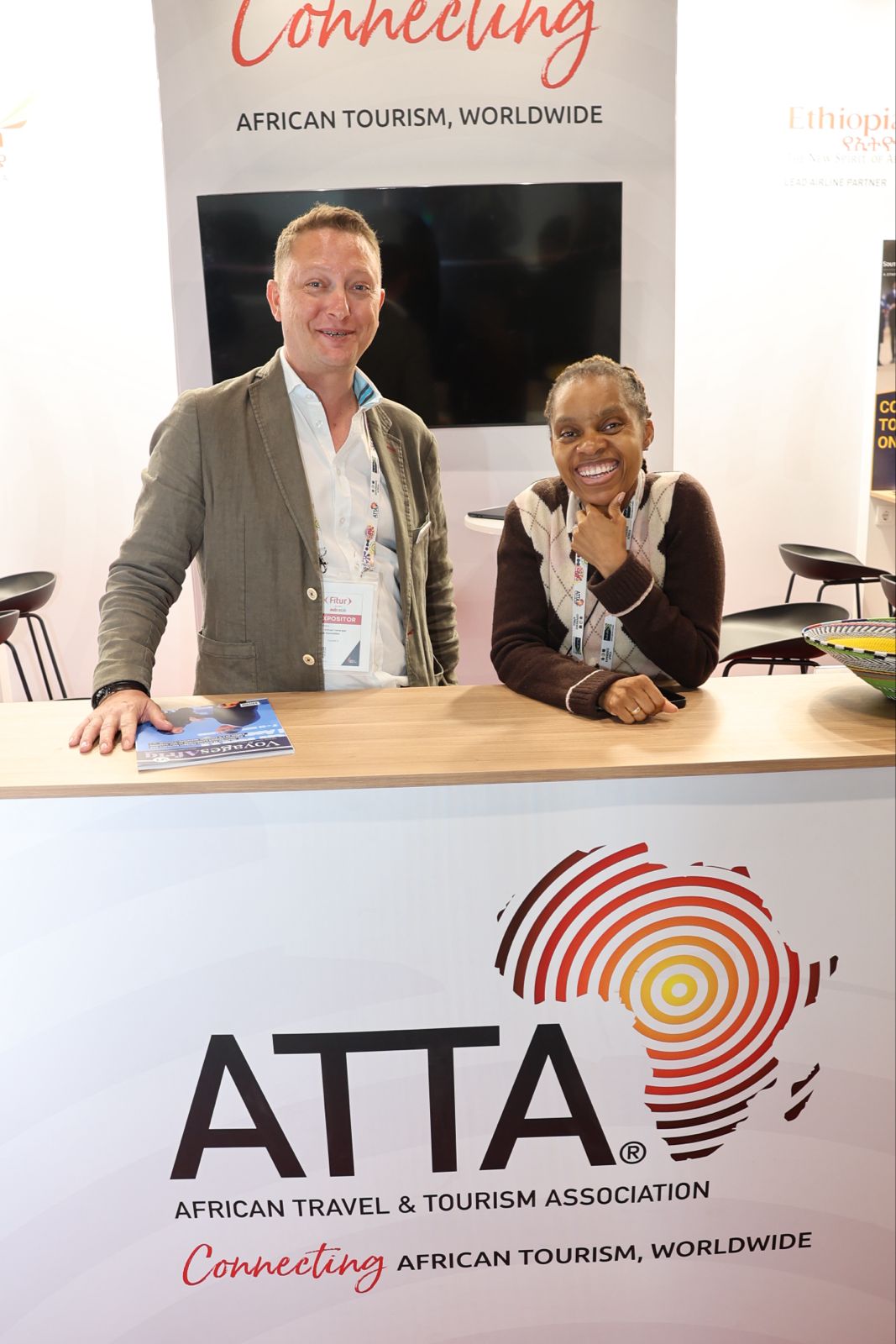
L-R: Chris Mears and Kgomotso Ramothea of ATTA
Kgomotso Ramothea, Chief Executive Officer of ATTA, described the organisation’s participation as both a learning and positioning exercise. “This is the first time that ATTA is at FITUR, and for us it is an opportunity to come and listen, learn and explore opportunities for our members,” she said. “It allows us to equip them with knowledge and insight on how to better prepare themselves to operate in this market.”
Ramothea highlighted the importance of relationship building in unlocking value for African tourism businesses. “Being here gives us the opportunity to network and establish relationships that will help our members grow. Europe has always been a key source market, and our presence here sends a clear message that Africa means business. Africa is growing and we are open to welcoming more European partners.”
Her remarks reinforced a key takeaway from FITUR 2026, Africa’s engagement with Europe is increasingly structured, confident and reciprocal. European markets continue to play a critical role in driving arrivals, investment and product innovation across the continent, while African destinations are responding with more refined offerings, diversified itineraries and improved readiness.
FITUR 2026 demonstrated that Africa’s tourism narrative is no longer singular. From island destinations like Mauritius redefining their identity through ecotourism and culture, to continental bodies like ATTA strengthening trade preparedness, the message was consistent. Africa is broadening its story, deepening its partnerships and approaching the European market with clarity and purpose.