
How a visa waiver, a presidential smock and a social media storm revealed why culture, fashion and creativity are central to Africa’s tourism and integration agenda.
Ghana and Zambia agreed to a visa waiver for their respective citizens on Wednesday, 4 February 2026, during an official State Visit by Ghana’s President, John Dramani Mahama, to Lusaka at the invitation of Zambia’s President, Hakainde Hichilema. The agreement was widely welcomed as a practical step towards African integration, trade facilitation and tourism growth in line with the African Union’s Agenda 2063.
Yet, long before the ink on the agreement could dominate headlines, a different narrative had already taken flight – one woven not from policy documents, but from fabric, symbolism and identity.
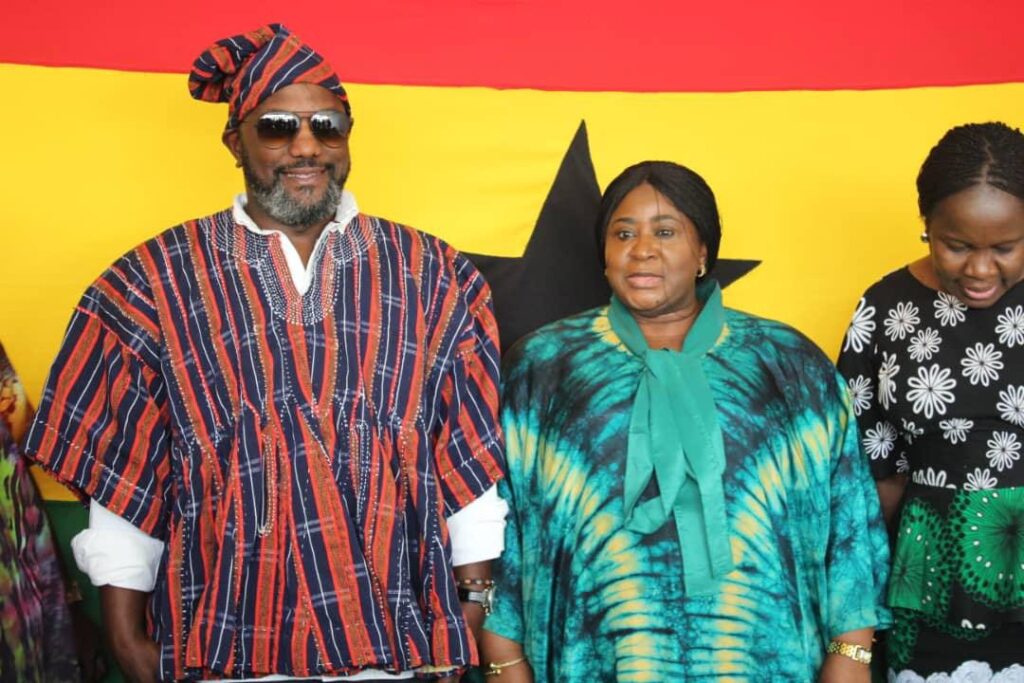
When President Mahama arrived at Kenneth Kaunda International Airport wearing a traditional Ghanaian smock, images of the moment spread rapidly across social media, triggering what became an unexpected cultural skirmish between sections of Ghanaian and Zambian online communities. What followed was not simply a fashion debate, but a revealing lesson on how Africans engage with one another’s cultures in an era of fast-moving digital communication and slow-moving cultural understanding.
Diplomacy Beyond Documents
The visa waiver was only one of several positive outcomes of President Mahama’s visit. He addressed the Zambian National Assembly, reinforcing parliamentary diplomacy between the two countries. Bilateral cooperation frameworks were strengthened, and the First Ladies of Ghana and Zambia agreed to deepen collaboration on women’s empowerment and child welfare initiatives.
Ghana already maintains visa-free travel arrangements with several Southern and Eastern African countries, including South Africa, Zimbabwe, Mozambique, Kenya, Tanzania, Lesotho, Mauritius, Seychelles, Rwanda and Uganda. The Zambia agreement therefore represented another deliberate step in the long-term ambition of the first independent nation in sub-Saharan Africa to attain colonial independence to lead by example in driving emancipation anddismantling visa barriers across the continent.
But while leaders spoke of mobility, trade and unity, the digital public was busy debating cloth, fashion and whether what the Ghanaian president wore was a blouse or smock.
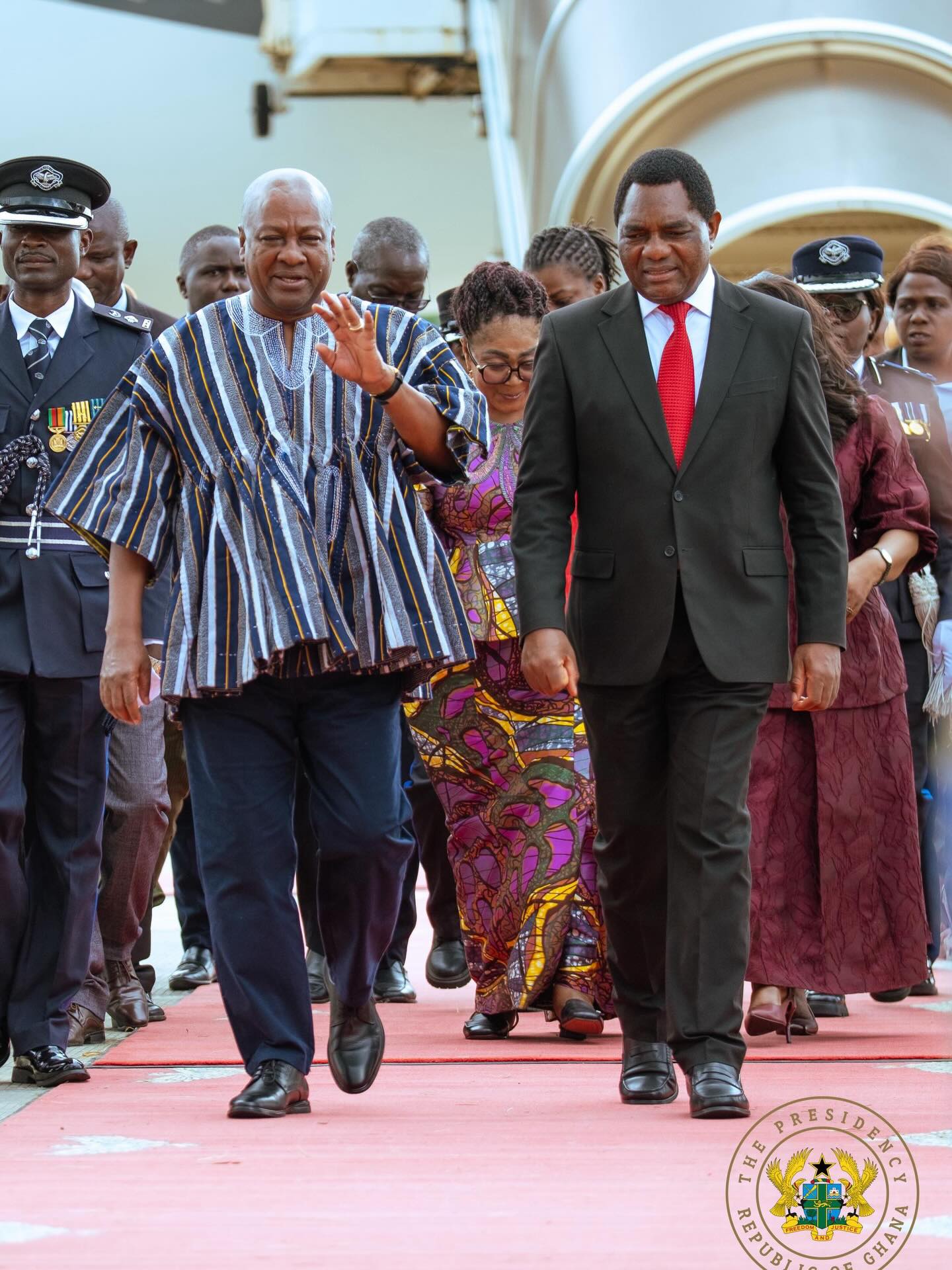
The Smock – Cloth as Culture, Not Costume
According to Ghana’s National Commission on Culture, in northern Ghana, the smock – known as Batakari among the Akan and Fugu among Dagomba, Mamprusi and other northern communities – is far more than attire. Handwoven from thick cotton and stitched into a flowing tunic, it is a symbol of dignity, resilience and belonging.
Its origins lie in the savannah societies where cotton weaving evolved as both necessity and art. Hunters, warriors and spiritual leaders wore the garment not only for protection against the elements, but for its spiritual symbolism. Indigo dyes represented endurance and wisdom, while darker tones signified protection and ancestral power. Many smocks were believed to carry protective charms sewn discreetly into their fabric.
Over time, the smock moved from ritual and warfare into the heart of national identity. Today, it is worn by chiefs, presidents, chief executive officers, and citizens alike during festivals, state occasions, business meetings, and national celebrations. From Tamale and Bolgatanga, through Kumasi to Accra, it has become a unifying garment that speaks to Ghana’s diversity rather than division.
Equally important is its economic significance. Smock production sustains entire communities of weavers, dyers and tailors. Contemporary designers have reimagined the garment with lighter fabrics and modern silhouettes, propelling it onto global fashion platforms and into diasporawardrobes.
Creative Connect Afrika and the Business of Culture
The timing of the online storm was striking. Just weeks earlier, Accra had hosted the maiden Creative Connect Afrika, convened by the Africa Continental Free Trade Area (AfCFTA)Secretariat in partnership with Ghana’s Black Star Experience Secretariat and South Africa based tourism consulting firm, Africa Tourism Partners, bringing together creatives in fashion, film and music from across the continent. The initiative aimed to empower African creatives to engage in cross-border trade, partnerships and intellectual property deals, recognising culture as a serious economic sector.
Fashion, in particular, was positioned as both creative expression and commercial opportunity – capable of driving tourism, exports and destination branding. Yet the reaction to President Mahama’s sartorial choice revealed a gap between continental ambition and cultural literacy.
Visa-free travel may open borders, but it does not automatically open minds.
Africa’s Wardrobe – a Tourism Asset in Plain Sight
Across Africa, fashion remains one of the continent’s most underutilised tourism assets.
In Zimbabwe, traditional cotton garments and beadwork narrate stories of ancestry, land and resistance, increasingly reinterpreted by designers blending heritage with modern fashion.
Botswana’s use of animal skins, leather and symbolic motifs reflects a deep relationship with land and wildlife – cultural elements that complement its conservation-led tourism narrative.
In Zambia and other Southern African countries, the chitenge is more than fabric; it is social language. It marks rites of passage, political moments and everyday life, offering rich storytelling potential for cultural tourism.
Elsewhere, Nigeria’s aso-oke and adire, Senegal’s boubou, Ethiopia’s shemma, Morocco’s kaftan, Kenya’s Maasai beadwork and South Africa’s Ndebele patterns all represent visual identities capable of anchoring festivals, fashion routes and immersive tourism experiences.
Technology, Speed and Responsibility
Digital platforms have given African fashion unprecedented reach. A single image can now travel further than any delegation. But speed without context can distort meaning.
The Zambia–Ghana social media exchanges demonstrated how quickly cultural symbols can be stripped of history and intention. This places responsibility on governments, creatives and media platforms to invest in education, storytelling and restraint.
Fashion tourism succeeds when audiences understand why a garment matters, when it is worn and what values it represents. Context turns curiosity into respect – and respect into travel.
Culture as the Missing Infrastructure
Visa waivers are policy tools. Culture is emotional infrastructure.
The Ghana–Zambia agreement represents progress, but the smock moment revealed a deeper truth – integration must be cultural as much as it is political. Africans must learn not only to cross borders, but to read one another’s symbols with empathy.
Fashion, when understood, becomes diplomacy. When misunderstood, it exposes fault lines.
Beyond the ‘Fight’
The so-called fashion ‘fight’ between Zambia and Ghana was never really about clothing. It was about visibility, interpretation and the urgency of telling African stories better – to Africans first.
As Creative Connect Afrika pushes creatives towards cross-border collaboration and as visa barriers continue to fall, Africa stands at a pivotal moment. Culture – expressed through fashion, film and music – may yet become the continent’s most compelling invitation to travel, trade and belong.
In a future where Africans move more freely across borders, understanding what we wear – and why we wear it – may matter just as much as the stamps in our passports.
The Author is Accra-based media executive, marketing consultant, cultural advocate, tourism and MICE consultant, traveland tourism writer. He is the founder of Maestro African Group, a pan-African content production, event management and marketing agency.