
Angola has officially launched the Angola Convention Bureau (ACB), marking a decisive shift in how the country intends to grow its tourism economy – with business travel, meetings and international events now firmly at the centre of its strategy.
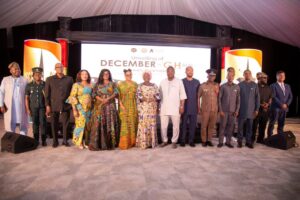
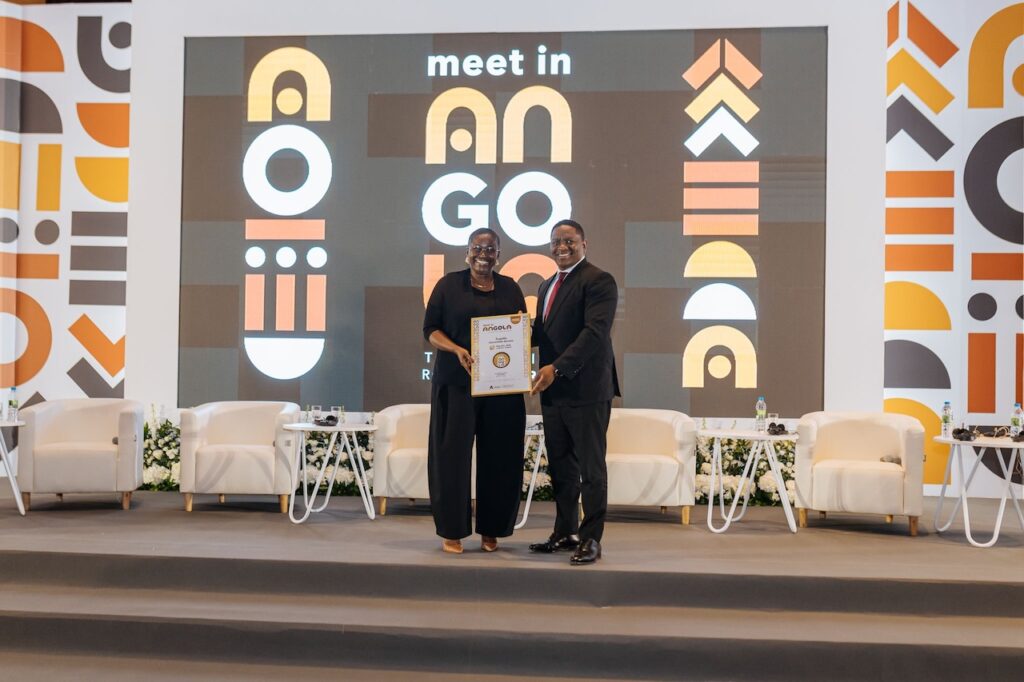
The bureau was inaugurated on 6 May at the Talatona Convention Centre in Luanda, bringing together around 400 delegates from government, tourism, aviation, hospitality and the international events industry. Senior ministers, investors, tourism stakeholders and international partners were among those in attendance, underlining the strategic importance Angola is placing on meetings, incentives, conferences and exhibitions – MICE – as a catalyst for tourism growth and economic diversification.
The launch welcomed Senthil Gopinath, Chief Executive Officer of the International Congress and Convention Association, signalling Angola’s growing international ambitions within the global meetings and events ecosystem. Held under the theme Meet in Angola – The Meeting Room in Africa, the initiative forms part of a broader national strategy to leverage tourism, international investment and business travel to diversify the economy beyond oil.
When business travel leads the tourism story
The timing of the ACB launch is significant. In 2025, Angola welcomed 223,140 international visitors – a 27.9 per cent year-on-year increase. Crucially, business travel arrivals reached 59,750, overtaking leisure arrivals at 52,072.
This reversal challenges long-held assumptions about African tourism growth being driven primarily by leisure demand. In Angola’s case, business travel is not only fuelling visitor numbers, but also shaping how the destination is positioning itself globally.
For policymakers and industry stakeholders, the message is clear: MICE tourism is no longer a secondary segment. It is fast becoming a gateway sector – attracting conferences, corporate meetings and investment-related travel, while creating opportunities to convert business visitors into longer-stay tourists engaging with Angola’s wider leisure offering.
Economic diversification through meetings and events
Opening the event, José de Lima Massano, Minister of State for Economic Coordination, described the Angola Convention Bureau as a critical instrument for positioning the country competitively within the international events market.
He highlighted Angola’s progress in economic diversification, the growth of the non-oil sector and the rising contribution of tourism as a strategic pillar of national development. These efforts are supported by policy measures including visa exemptions for more than 100 countries, alongside sustained investment in tourism infrastructure, aviation and international connectivity.
Tourism Minister Márcio de Jesus Lopes Daniel positioned the ACB as a platform designed to attract international conferences and corporate events while delivering tangible economic returns.
“Angola is prepared to host events of international scale,” he said. “The launch of the Angola Convention Bureau represents an important step in strengthening our international positioning and showcasing Angola as a modern and competitive destination for business tourism in Africa.”
From MICE to ‘bleisure’ – extending the stay
Beyond traditional MICE tourism, Angola is also seeking to capitalise on the global rise of ‘bleisure’ travel – where business trips are extended for leisure, cultural and nature-based experiences.
From Luanda’s Atlantic coastline and urban energy to the dramatic landscapes of Namibe, Iona National Park and Kalandula Falls, the country is increasingly positioning itself as a destination where meetings and conferences can be seamlessly combined with authentic exploration.
“Today’s business travellers are looking for more than conference facilities alone,” said Julia Kleber, Chief Executive Officer of the KLEBER GROUP, which manages Angola’s international tourism representation and supported the development of the ACB.
Infrastructure, access and scale
The launch of the ACB comes against the backdrop of sustained investment in tourism and transport infrastructure aimed at strengthening Angola’s role as a regional hub for international events.
Key developments include the Dr António Agostinho Neto International Airport, with capacity for up to 15 million passengers annually, expanded international connectivity through airlines such as Lufthansa, Emirates, Qatar Airways and Ethiopian Airlines, as well as the planned Luanda Conference Centre, scheduled to open in 2026 with capacity for up to 3,000 delegates. These are complemented by the growth of internationally branded hotels and hospitality services.
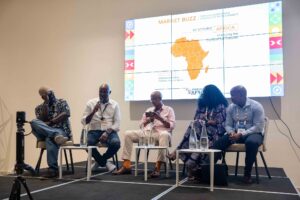
Panel discussions during the launch examined the future of the global MICE industry, the economic impact of international events and Angola’s long-term positioning within Africa’s meetings sector. Speakers from ICCA, AIPEX, the hospitality industry and event specialists highlighted the multiplier effect of business tourism across accommodation, transport, food services and investment attraction.
The Ministry of Tourism also awarded certificates of intent to organisations joining the Angola Convention Bureau under the Meet in Angola initiative, signalling the formation of a coordinated national MICE ecosystem spanning transport, hospitality, catering and events.
A gateway strategy, not a side play
As Angola continues to open up to international tourism markets, MICE is increasingly viewed not as a niche, but as a gateway strategy – introducing global audiences to the country through business, before encouraging deeper leisure engagement.
This approach aligns with Angola’s broader destination positioning under the Visit Angola – The Rhythm of Lifebrand, presenting the country as one of Africa’s last great undiscovered destinations.
With business travellers now outnumbering leisure visitors, major infrastructure coming online and a formal convention bureau in place, Angola is making a clear statement: in its next tourism chapter, meetings and events will lead the way.
Credit: AfricaMeets