
South Africa’s business events industry is entering a phase of strategic expansion, with a renewed focus on regional inclusion, sustainability, targeted international bidding and stronger partnerships across the tourism value chain.
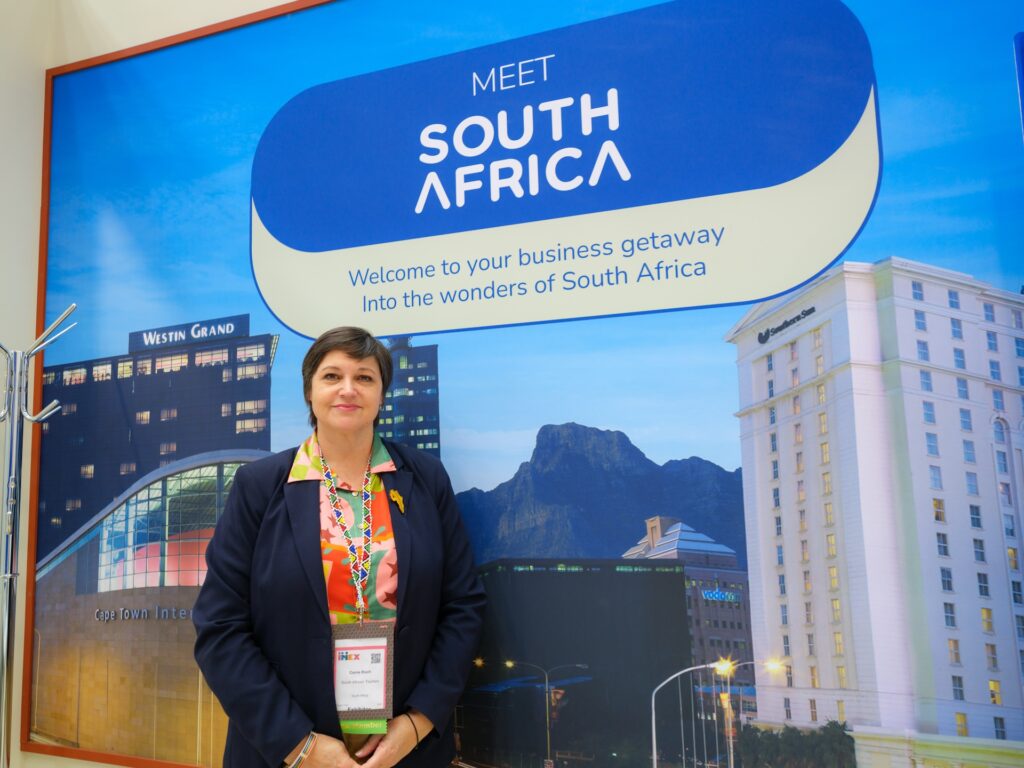
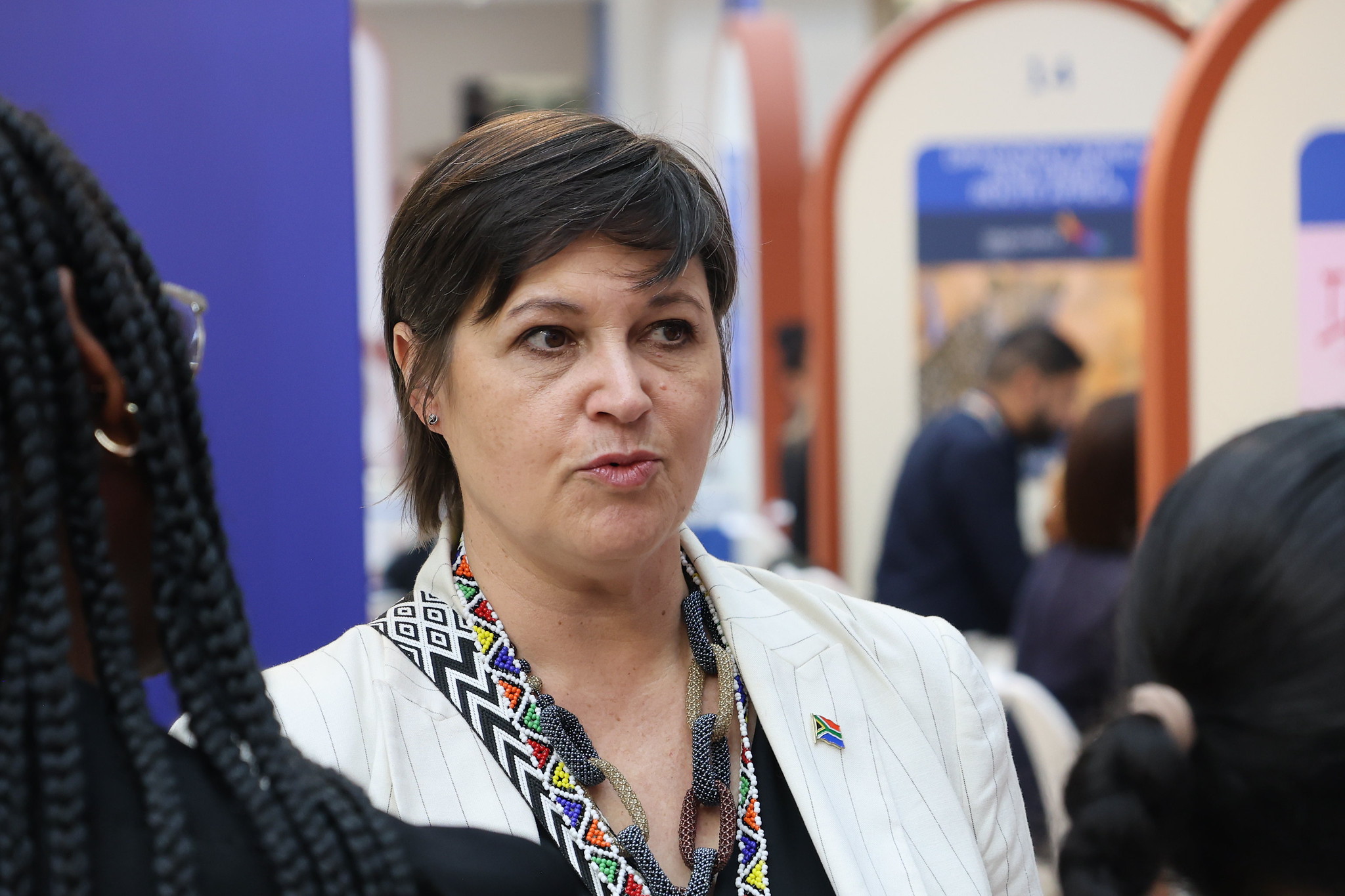
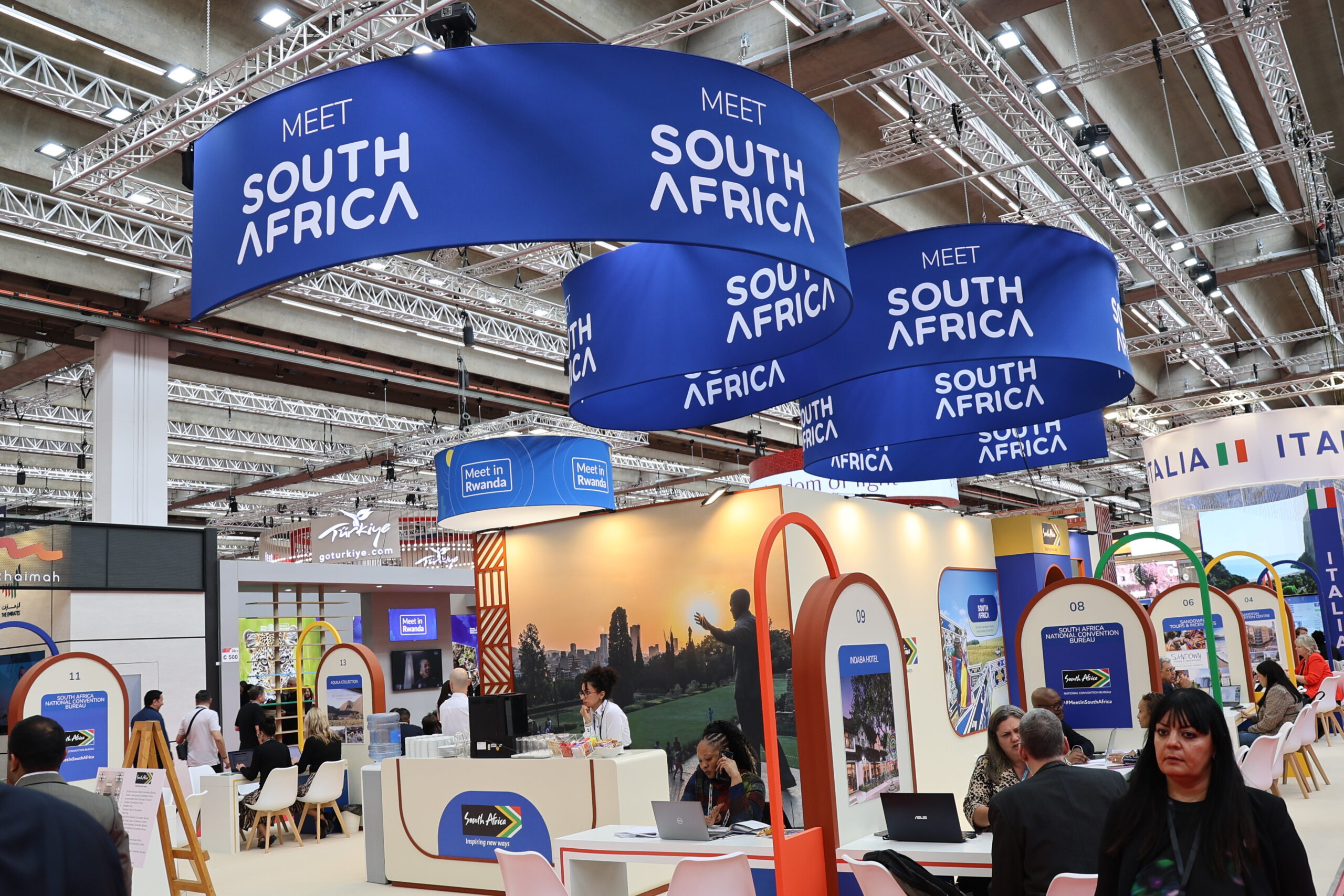
This was the assessment of Corné Koch, Convention Bureau Officer at the South African National Convention Bureau (SANCB), during an interview with VoyagesAfriq on the sidelines of IMEX Frankfurt in Germany.
Just six months into her role, Koch described the experience as “wonderful, but very busy,” noting that he stepped into office during one of the bureau’s busiest periods, dominated by preparations for key trade platforms.
“I started in a place where we were planning our annual two trade shows, so that makes it hard to focus on other things outside of just managing the trade platforms,” he explained. “But it’s been a wonderful journey.”
She stressed the importance of South Africa’s flagship tourism trade shows not only for the country’s positioning, but for the African continent as a whole.
“We need them in South Africa for our positioning of our sector and our industry, but also for the continent, because we’re very focused on using those also to grow more tourism into South Africa and the continent as well,” Koch said.
MICE sector showing steady momentum
According to Koch, the South African meetings, incentives, conferences and exhibitions (MICE) sector is experiencing healthy momentum, buoyed by seasonal demand and a gradual strengthening of international and domestic activity.
“My overview is that we’re very fortunate this time. The time I started is kind of the high season for MICE in South Africa, because we are in our summer season,” he said, pointing to strong hotel occupancy levels and a busy conferencing calendar.
While the market is growing steadily, Koch acknowledged that there is still significant work to be done in attracting more international association meetings and diversifying the size and spread of events hosted across the country.
“There’s still lots of work to do to attract more international meetings,” he noted. “You are looking at the large conferences, but they don’t always come along, so your focus would be on the domestic market, the frequency of those, even attracting the smaller events.”
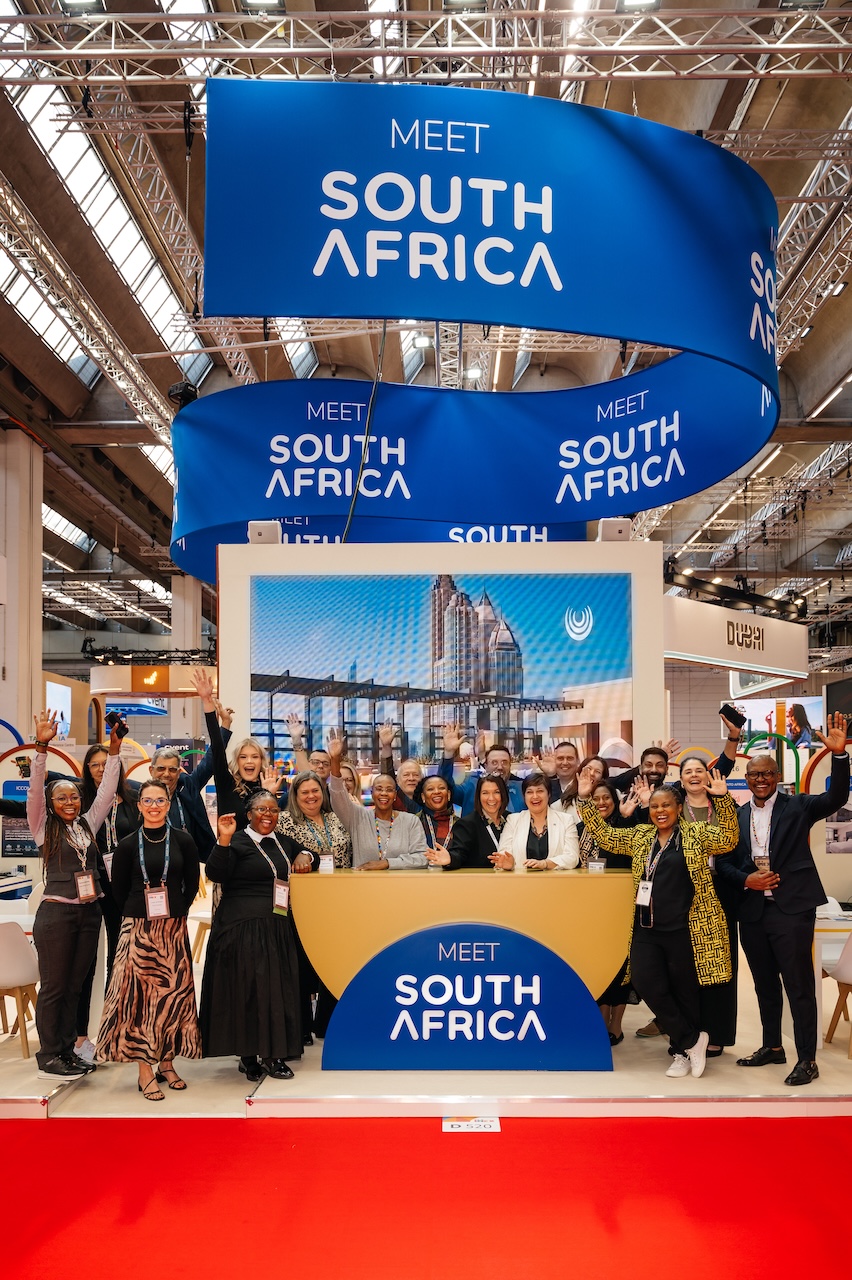
A major part of SANCB’s strategy, he revealed, is to decentralise business events away from traditional urban hubs such as Cape Town, Johannesburg and Durban toward smaller towns, regional destinations and township economies.
“The other focus is to push events out into the regions, outside of city centres, because they also have great facilities,” Koch explained. “There’s a lot of work happening on that level through the Bureau, through working with the regions and the provinces, to make sure that there’s a sustainability factor in the MICE market.”
She added that SANCB has established incentive mechanisms to encourage organisers to stage meetings outside the main metropolitan areas.
“We do have an incentive programme that we support, those event planners, to actually move a business event outside of the main centre into what we call the villages or the townships, or the smaller dorpis in South Africa.”
Recovery and growth indicators encouraging
Koch pointed to encouraging tourism figures as evidence that South Africa’s tourism and events industries are stabilising and growing.
“We’ve reached the 10 million mark, which is on par with what was before the pandemic,” he said, referencing international arrival statistics recorded in December.
she further disclosed that between January and March this year, South Africa recorded a 1.9 percent increase in arrivals compared to the same period last year.
“Our numbers are looking good compared to last year this time,” he said. “Year on year, the numbers have been growing.”
However, she cautioned that the industry still needs more robust data collection to fully understand the wider business events market and unlock stronger growth opportunities.
Sustainability beyond the environment
On sustainability, Koch argued that the conversation around business events must go beyond environmental considerations to include economic empowerment and long-term business viability.
“I think we’ve just scratched the surface still,” he admitted. “I’m not very happy still that we’ve reached what we think we can reach for.”
She revealed that following Africa’s Travel Indaba, SANCB and partners commissioned a benchmarking study to evaluate the sustainability impact of events and exhibitions.
“You’re always thinking exhibitions are wonderful platforms, but they aren’t very good for the environment,” she said. “So, we have to try and give some ideas and toolkits to visitors to look into practices like that.”
Koch also emphasised the importance of supporting small businesses and tourism entrepreneurs through trade show participation and incubation programmes run by South Africa’s Department of Tourism.
“Sustainability in my mind is not only just environmental sustainability,” he stressed. “We’re talking about business sustainability, because you can’t invest in supporting and then you don’t change.”
The SANCB official noted that organisers regularly follow up with participating SMEs to determine whether attendance at trade exhibitions translates into actual business conversion.
ICCA rankings strengthen destination positioning
South Africa’s continued presence in global association meeting rankings was another highlight for the bureau at IMEX Frankfurt.
Koch welcomed the latest rankings, which continue to place South Africa among Africa’s leading business events destinations, while urging stakeholders to contextualise the results carefully.
“We are always very fortunate to come up in those rankings,” he said. “It really helps us with our marketing efforts internationally a lot.”
She noted that the rankings often focus on international association meetings and therefore do not fully capture the diversity of meetings taking place across the country.
“We see meetings in the Kruger National Park, in Paarl, in Stellenbosch, and that is for us important in how we position South Africa going forward.”
Cricket World Cup presents major tourism opportunity
Looking ahead, Koch expressed optimism about the tourism opportunities tied to the upcoming ICC Men’s Cricket World Cup, which South Africa will co-host alongside Zimbabwe and Namibia.
She said preparations are beginning to gather momentum, with SANCB set to work closely with organisers and regional partners.
“It’s a whole-of-tourism approach,” Koch explained. “We are going to be working closely with the local organising committee for Cricket World Cup.”
She added that South African tourism authorities are already aligning content and marketing campaigns to target key source markets expected to travel for the tournament.
“There will be alignment in terms of influencing the narrative, the content, and having bespoke campaigns to particular markets that we know would come out for the Cricket World Cup,” she said.
Investments and partnerships shaping future growth
Koch also highlighted several major tourism investments expected to strengthen South Africa’s attractiveness as both a leisure and business events destination.
Among them is the upcoming Club Med development on South Africa’s south coast, which he described as “a major economic incubator” capable of driving both leisure and MICE travel.
She additionally referenced a multi-billion-dollar redevelopment investment into Cape Town’s iconic V&A Waterfront precinct.
“These investments place focus on South Africa as a destination,” he said. “So we can use that to influence MICE.”
Koch stressed that SANCB is also revisiting partnerships with airlines, tourism associations and private sector stakeholders to maximise return on investment and improve accessibility into the destination.
He identified India and China as particularly important aviation and tourism growth markets.
“You have to start looking at those airlines that are not coming here yet. India, China — very important for us to have those links,” she said.
Despite global geopolitical uncertainties and disruptions affecting air travel, Koch maintained that South Africa’s competitive advantage remains rooted in the destination experience itself.
“We are still promoting what you can get in South Africa that you can’t get in other destinations,” he concluded. “That is the food, the people, culture, and your connection to the continent through South Africa as well.”