
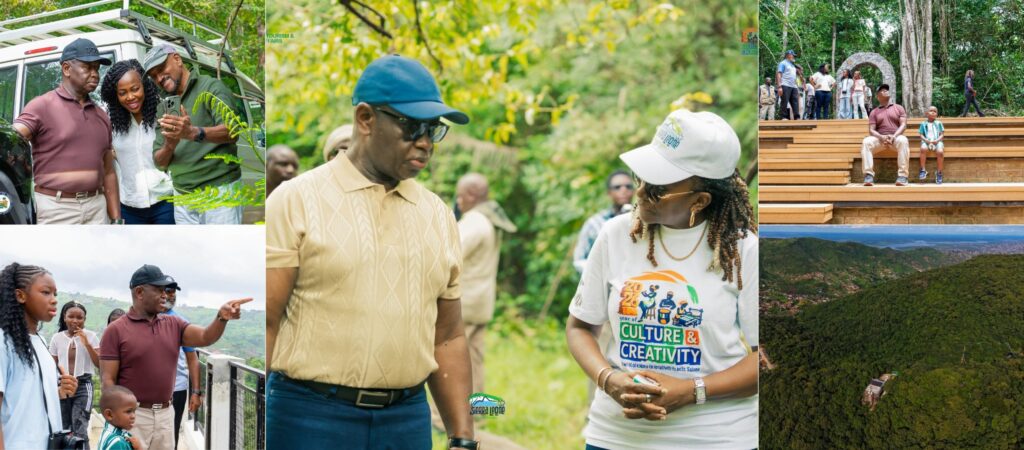
There are moments in public life that speak quietly yet leave a lasting impression. President Julius Maada Bio’s visit to Bunce Island in June and recently, to the Leicester Peak Viewing Platform, Tourism Innovation and Education Center and Tacugama Chimpanzee Sanctuary, with the First Lady and their children, were among those moments.
Many saw a family enjoying time together in one of Sierra Leone’s treasured natural spaces. I saw something equally significant: a leader reminding us that building a destination of choice begins with the choices we make ourselves.
When the President later encouraged Sierra Leoneans to visit these tourist attractions, he actually invited us to rediscover our own country. That invitation deserves our attention because every successful tourism destination is first embraced by its own people.
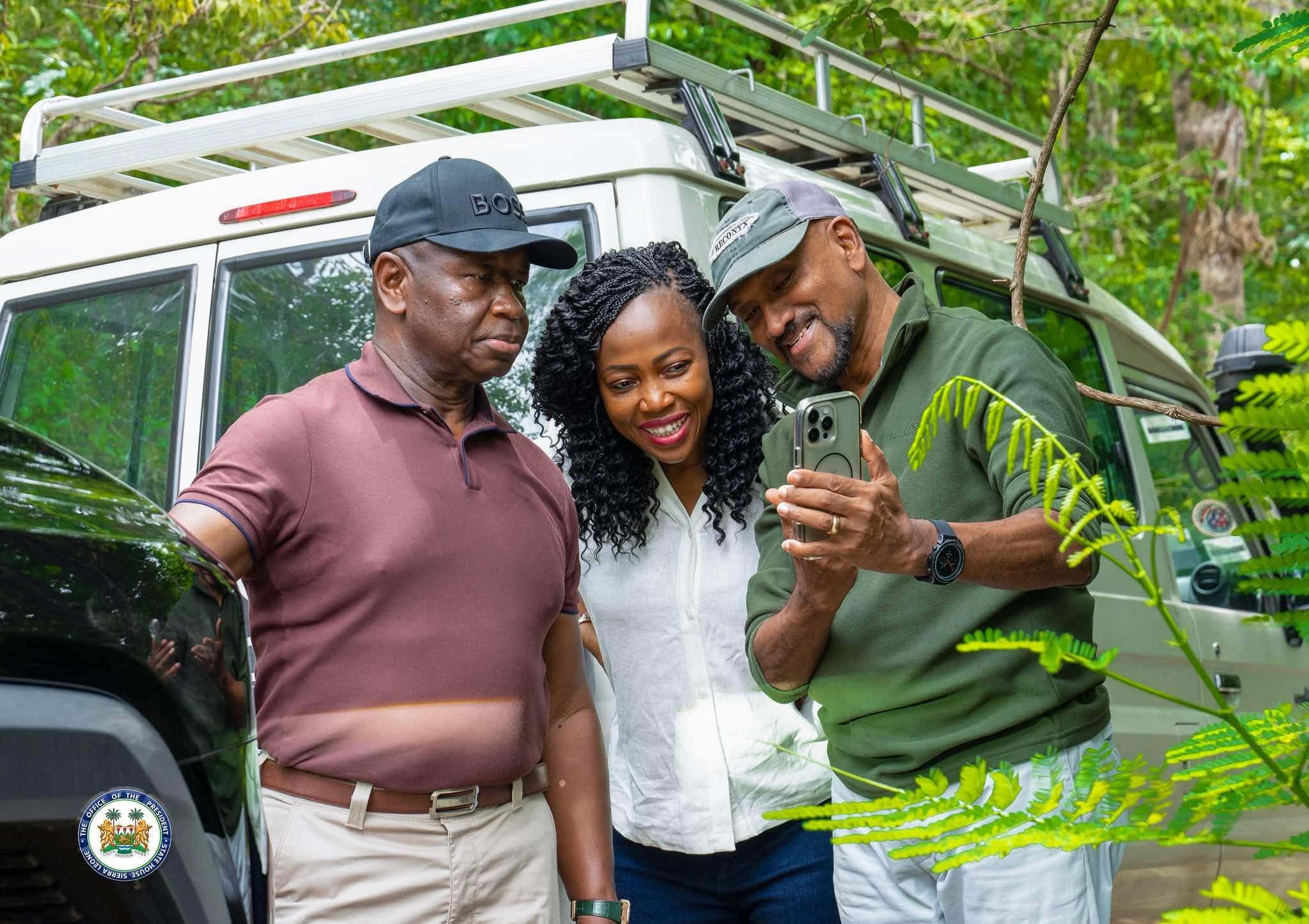
President Julius Maada Bio and family ’s recent visit to the Tacugama Chimpanzee Sanctuary
As Minister of Tourism and Cultural Affairs, I have travelled extensively across Sierra Leone. Every journey reinforces the same conviction. Ours is a country blessed with extraordinary natural beauty, remarkable biodiversity, rich heritage, unique cultural traditions and communities whose warmth leaves a lasting impression on everyone fortunate enough to visit. Yet some of our greatest treasures are often the ones we overlook, simply because they are familiar to us.
Around the world, tourism is evolving. Travellers increasingly seek authentic experiences, meaningful connections and destinations whose stories are rooted in culture, heritage, nature and people. Sierra Leone is uniquely positioned because authenticity is not something we have to create. It is who we are.
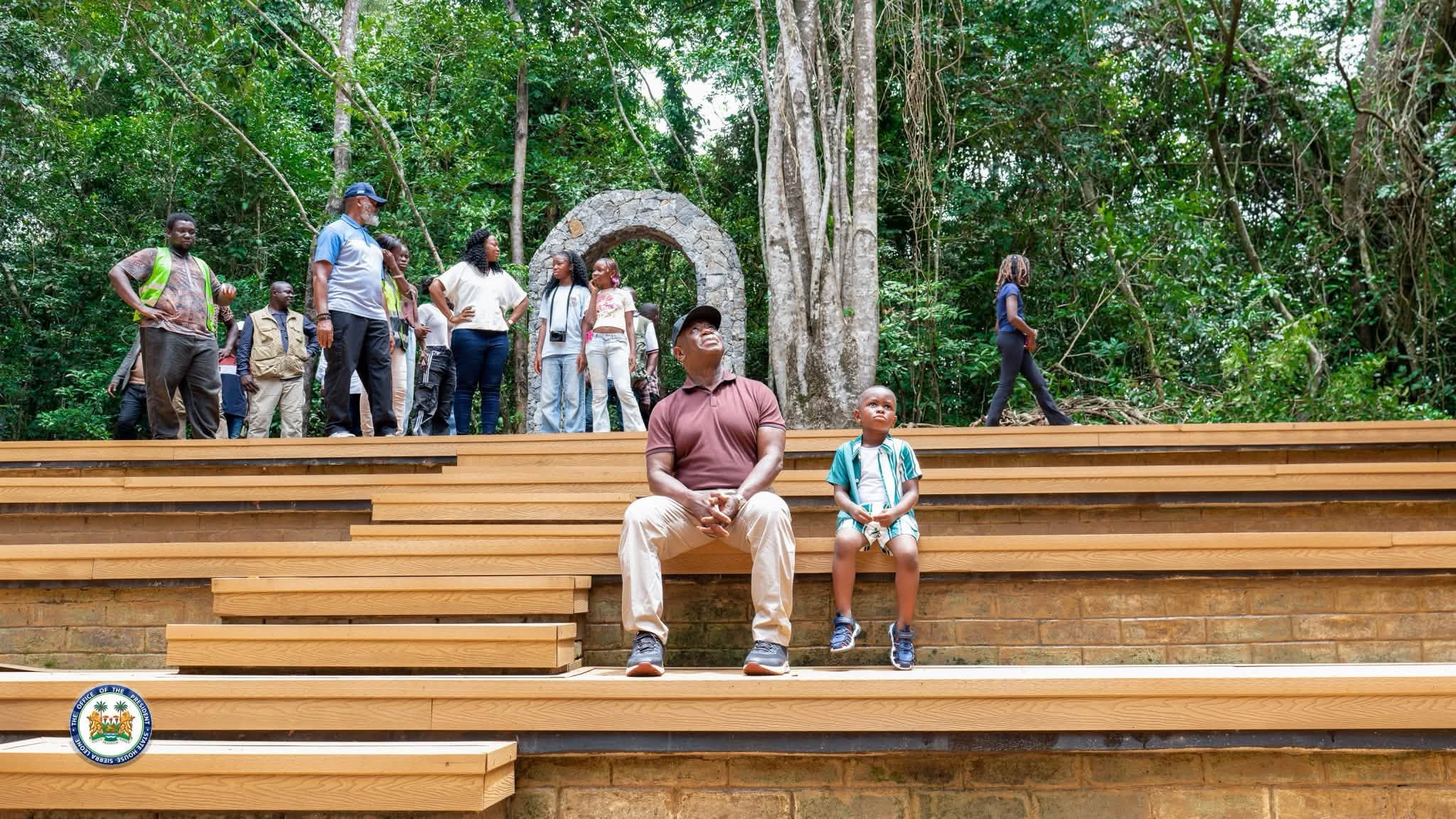
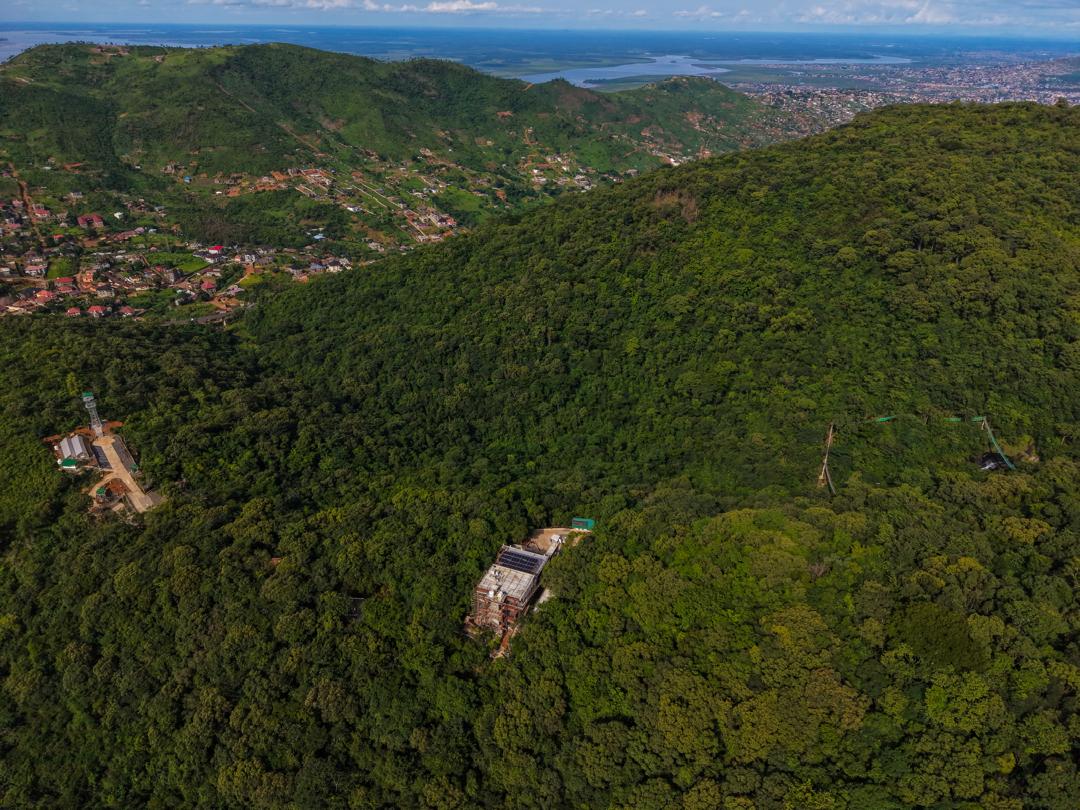
Located within Bathurst an area commonly referred to as Tacugama, is one of the finest examples of the future we are building for tourism in Sierra Leone. With the Chimpanzee Sanctuary, Canopy Walkway and Tourism Innovation and Education Centre, it demonstrates how conservation, education, innovation and visitor experience can work hand in hand. These investments are creating destinations that don’t just protect our natural heritage but also inspire learning, recreation and sustainable economic opportunity for surrounding communities.
For nearly three decades, the Sanctuary has cared for rescued chimpanzees while safeguarding an important part of the Western Area Peninsula National Park, reminding us us that conservation and development are mutually reinforcing. Every forest protected today enriches the experience that visitors seek tomorrow while ensuring future generations inherit a country whose natural heritage remains intact.
Tourism is also one of the most effective ways a nation expresses its identity. In Sierra Leone, visitors experience our forests, beaches, heritage sites, creativity and the warmth of our people. Those experiences become lasting memories that shape how our country is understood around the world.
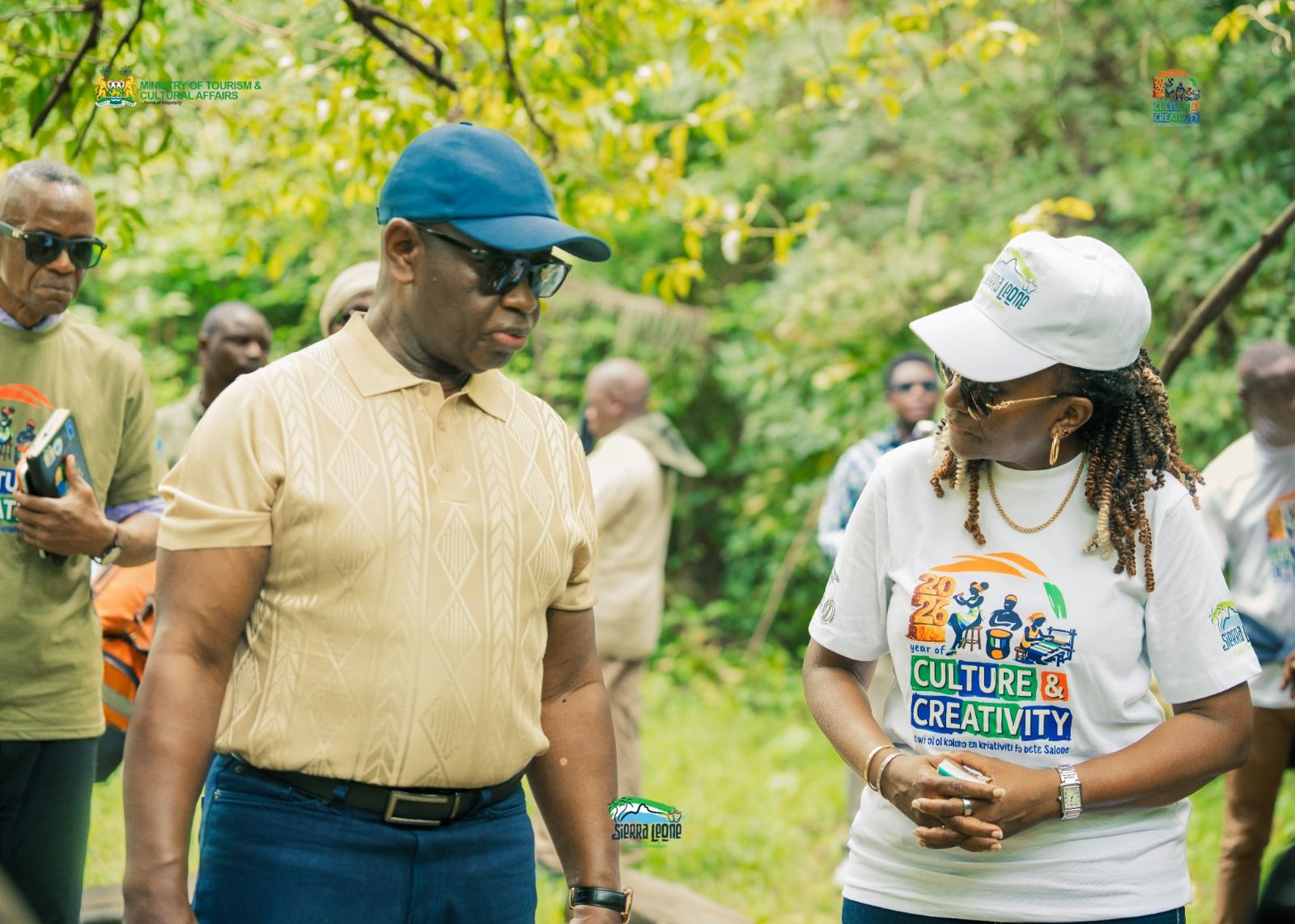
Minister of Tourism Nabeela Farida Tunis with President Bio at one of the tours to the country’s sites
This is why domestic tourism deserves a central place in our national conversation. Countries with resilient tourism sectors do not rely solely on international arrivals. They are sustained by citizens who know their own destinations, celebrate their own heritage and proudly introduce their children to the places that define their national identity. Domestic tourism is the foundation of every resilient tourism economy. When we explore our own country, we strengthen national pride, support local businesses and become our most authentic ambassadors.
Interestingly, there is also a quiet expression of patriotism in choosing to explore and experience Sierra Leone.
Patriotism is not confined to national celebrations or public ceremonies. It is reflected in the choices families make about where they spend their leisure time, where children encounter wildlife for the first time and where lasting memories are created together. The President’s visit to these sites illustrated this beautifully. Tourism belongs not only to international visitors; it belongs first to Sierra Leonean families.
Every journey made within the country creates opportunities far beyond the destination itself. It supports hotel owners, guides, transport operators, artisans, restaurateurs, photographers, farmers and countless small businesses whose livelihoods depend on visitor activity. Tourism has a unique ability to spread opportunity across communities and ensure that economic growth reaches places where other sectors often cannot.
For many years, Sierra Leone’s story was too often told by others, some of whom never visited the country. Today, that narrative is increasingly being shaped by those who experience our country for themselves. They leave with memories of pristine beaches, thriving wildlife, remarkable heritage, unique culture, vibrant creativity and communities that welcome them with genuine warmth. In doing so, they become ambassadors for a new Sierra Leone.
This progress reflects deliberate investments in heritage preservation, tourism infrastructure, innovation and community partnerships. It is the product of Government working alongside local communities, development partners, private investors and conservation organizations to build a stronger and more competitive tourism economy.
Tourism, perhaps more than any other sector, reminds us that national development is never the work of one institution alone. It is built through communities protecting their heritage, entrepreneurs investing in new ideas, artists preserving culture, young people embracing innovation and citizens who understand that every visitor deserves an experience worth remembering.
It also reminds us that tourism is one of our most effective forms of diplomacy. Every visitor returns home carrying impressions no marketing campaign can manufacture. Some become repeat travellers. Others recommend Sierra Leone to friends and colleagues. Many return as investors, partners or advocates. Every positive experience extends the reach of our country through the most powerful form of promotion: personal testimony.
This conversation extends beyond our borders. Across Africa, a growing movement is encouraging Africans to travel more across the continent, strengthening regional integration while celebrating our shared heritage and diversity. Sierra Leone is proud to contribute to that movement by welcoming visitors from across Africa while encouraging our own citizens to explore both our nation and our continent with equal curiosity.
As we continue building Sierra Leone’s tourism future, perhaps the most important question is not how many visitors we hope to attract, but what kind of destination we aspire to become.
Our hope is that Sierra Leone will be recognised not simply for its beauty, but for the values that define our tourism sector: authenticity, conservation, culture and shared heritage, creativity, innovation, community ownership and genuine hospitality.
Years from now, we hope that this period will be remembered not only for rising visitor numbers or increased investment, but as the moment Sierra Leone embraced tourism as an expression of national confidence. A time when families travelled more within their own country, communities rediscovered pride in their heritage, conservation and culture, and creativity became central to our development story.
President Bio’s visits remind us that the most meaningful journeys begin at home. If we continue choosing Sierra Leone with pride, curiosity and purpose, the world will continue choosing Sierra Leone too.
So why not take some time this week or the next to Explore Freedom in Destination Sierra Leone?
There is so much of home waiting to be discovered.
Enti Ina know say tourism business na all man business.
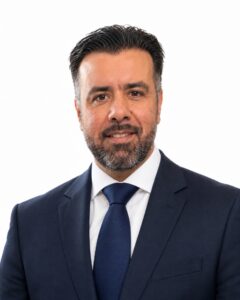
Nabeela Farida Tunis
Minister of Tourism and Cultural Affairs
Sierra Leone