
The maiden Africa Golf Tourism Convention has brought destinations, buyers, investors, tourism authorities and young people together around a shared ambition: to turn Africa’s golf assets into a connected engine for tourism, trade, investment and jobs.
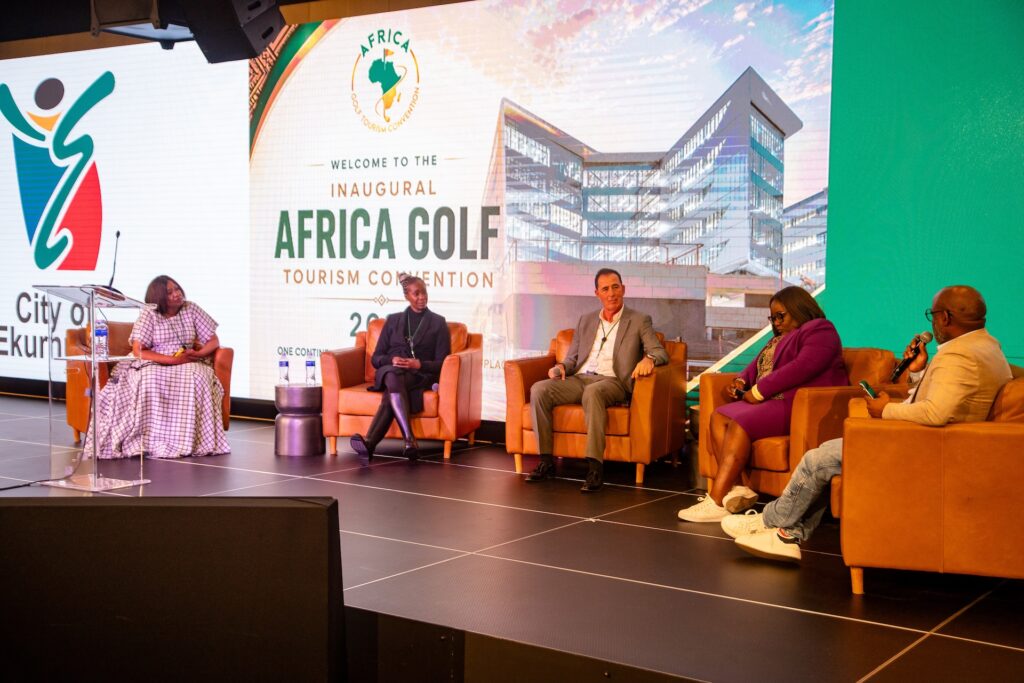
Africa’s ambition to build a more integrated golf tourism economy took a significant step forward in Ekurhuleni, South Africa, as the inaugural Africa Golf Tourism Convention (AGTC) 2026 brought together destinations, tourism authorities, buyers, investors and industry leaders around a common proposition: Africa’s golf assets can become a catalyst for wider tourism, trade and investment.
Held from 17 to 21 August, the maiden convention in Gauteng sought to address one of the continent’s enduring tourism challenges – fragmentation.
Africa has world-class golf courses, luxury resorts, diverse destinations and increasingly sophisticated tourism infrastructure, but these assets have largely been marketed as individual country propositions. AGTC set out to explore what could happen if they were presented to the global market as part of a connected African offering.
For Neo Peete, Founder and Convention Director of AGTC, that unifying proposition sits at the heart of the initiative. “This convention is meant to be a unifier. For the longest time, Africa has been going out into the world as a fragmented market, and we are saying, why are we not going out as one market? And as one market, we are much stronger because we are showcasing all our assets.”
The concept, she argues, gives international buyers greater choice and creates opportunities to build multi-country golf itineraries rather than limiting travellers to individual destinations. “When we showcase all our assets, we’re giving the international market choices. They can package instead of just going to South Africa, Ghana, Kenya, Senegal,” Peete said.
That thinking represents a significant departure from viewing golf tourism simply as a niche sporting product.
Golf as a Catalyst
Peete is clear that golf itself is not necessarily the end product of the AGTC proposition. It is the catalyst. “We are using golf as a catalyst,” she said. “There’s been many conventions and summits that are happening, but what’s different with this one is that we have chosen to use golf as a catalyst because we understand the kind of people – it’s niche, it’s premium, and also, we will be able to showcase those premium destinations that we have.”
The strategy brings golf into a wider conversation around tourism, investment, trade, hospitality, aviation, real estate, MICE and destination development.
That was reflected in the composition of the convention, which brought together golf operators and destinations alongside tourism authorities, hospitality brands, tour operators, aviation stakeholders, investors, hosted buyers and other businesses across the tourism value chain.
A Pan-African Proposition
The host city also sees the convention as more than an opportunity to showcase its own facilities.
Executive Mayor of the City of Ekurhuleni, Alderman Nkosindiphile Doctor Xhakaza, said AGTC provided an important platform for destination marketing while opening doors to potential investment.
“It really assists us to expose some of our city’s greatest facilities, the tourism product. It assists us in terms of destination marketing, and of course, Brand Ekurhuleni being out there,” he said.
But, he added, the investment dimension was equally important. “Importantly, we get to attract the much-needed investment. Ultimately, it is about bringing the investment and assisting our economies to grow.”
The Mayor also called on other African cities to become part of the conversation, describing AGTC as a Pan-African concept with the potential to support the development of golf and tourism across the continent.
“We want to encourage other African cities to take a meaningful interest and participate in the future conversation to grow and develop golf, tourism, and thereby develop Africa. It is a Pan-African concept.”
Beyond the Fairway
One of the defining features of the maiden AGTC was its deliberate attempt to connect golf with broader economic and social outcomes.
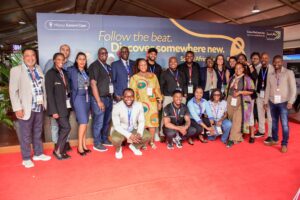
The convention opened with a Caddie Ambassador & Youth Skills Development Programme, placing young people at the centre of the initiative before the main business programme got underway.
The programme highlighted the extensive ecosystem surrounding golf – from hospitality and aviation to events, media, technology, food and beverage, transport, landscaping, retail, destination management and entrepreneurship.
For Peete, this wider ecosystem is critical to understanding golf’s potential contribution to African economies.
“There are golf courses to manage. There are tournaments to organise. There are hotels accommodating travelling golfers. There are airlines bringing them into destinations. There are tour operators building golf packages. There are people working in marketing, events, technology, media, hospitality, food and beverage, coaching, landscaping, retail, transport, destination management and many other industries.”
The youth programme also sought to reposition caddies as potential tourism ambassadors, equipping them with the knowledge and confidence to become storytellers for their destinations.
The core convention programme featured plenary discussions, an Exhibition Village, destination showcases, networking and structured B2B engagements. The programme culminated in a Golf & Demonstration Day at Serengeti Estates, allowing hosted buyers and delegates to experience the golf and lifestyle proposition first-hand.
For the organisers, however, the real test of the inaugural convention begins after delegates leave Ekurhuleni.
The objective is to convert connections into business: new golf itineraries, destination partnerships, investment opportunities, trade relationships, skills programmes and increased international demand.
That will require continued collaboration between governments, tourism authorities, golf operators, airlines, hotels, tour operators and investors. It will also require stronger connectivity, coordinated marketing and products designed specifically for international golf travellers.
AGTC has made its opening argument. Africa does not necessarily need another platform that talks about the continent’s tourism potential. It needs platforms that connect its assets and turn potential into commercially viable opportunities.
By choosing golf as its catalyst, AGTC is betting that a niche, premium and globally connected visitor segment can provide the entry point for a much bigger conversation about Africa’s tourism economy.
The maiden convention has opened that conversation. The next challenge is to ensure that the marketplace it has started building continues to grow – one destination, one partnership, one investment and, ultimately, one African golf journey at a time.