
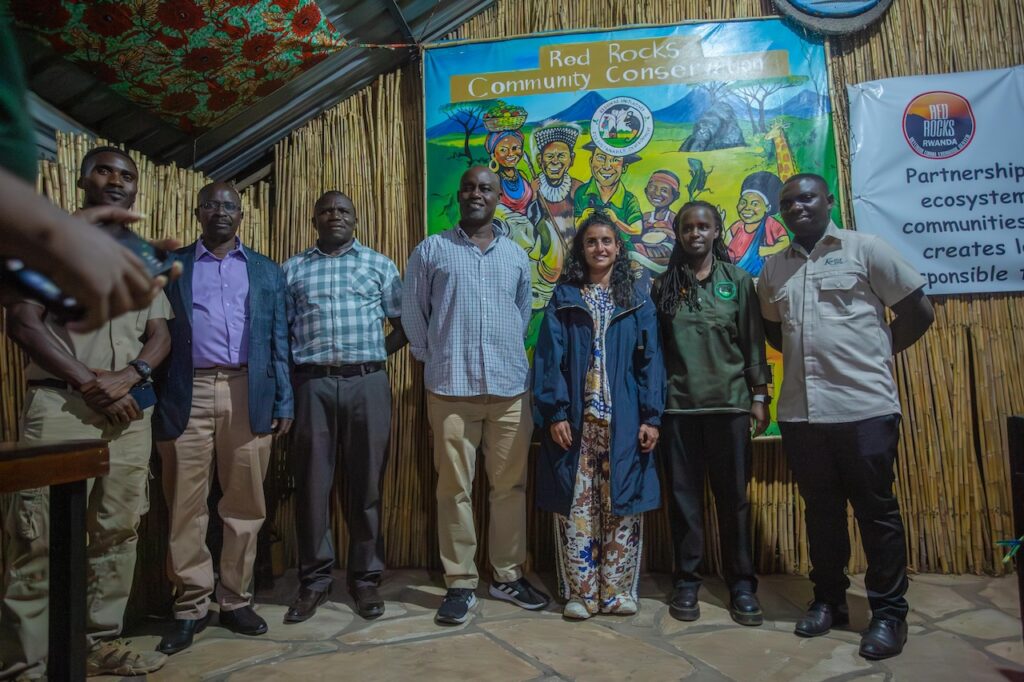
Tourism must deliver tangible benefits to communities living alongside protected areas if they are to remain committed to conservation, the founder of Red Rocks Intercultural Centre, Greg Bakunzi, has told the Secretary-General of UN Tourism during a visit to Nkotsi Village in northern Rwanda.
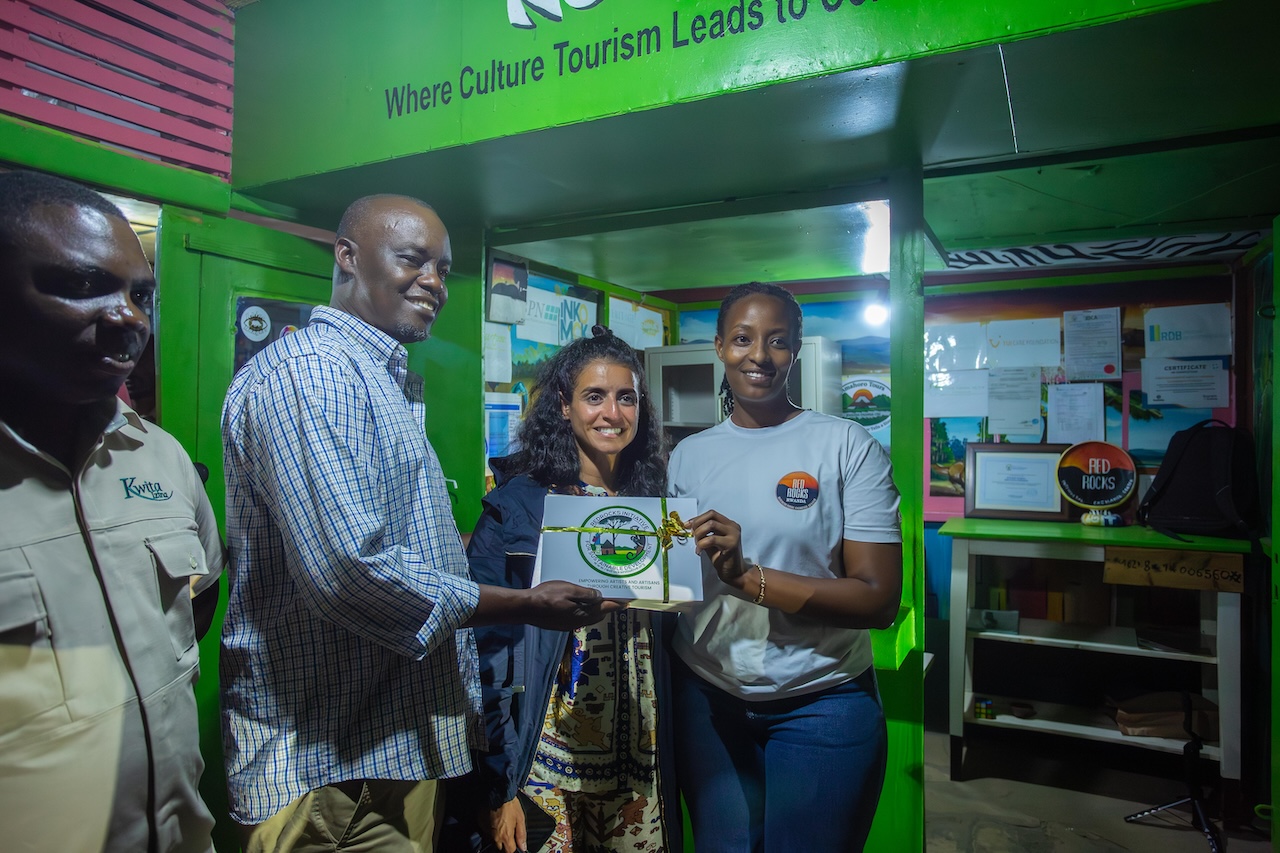
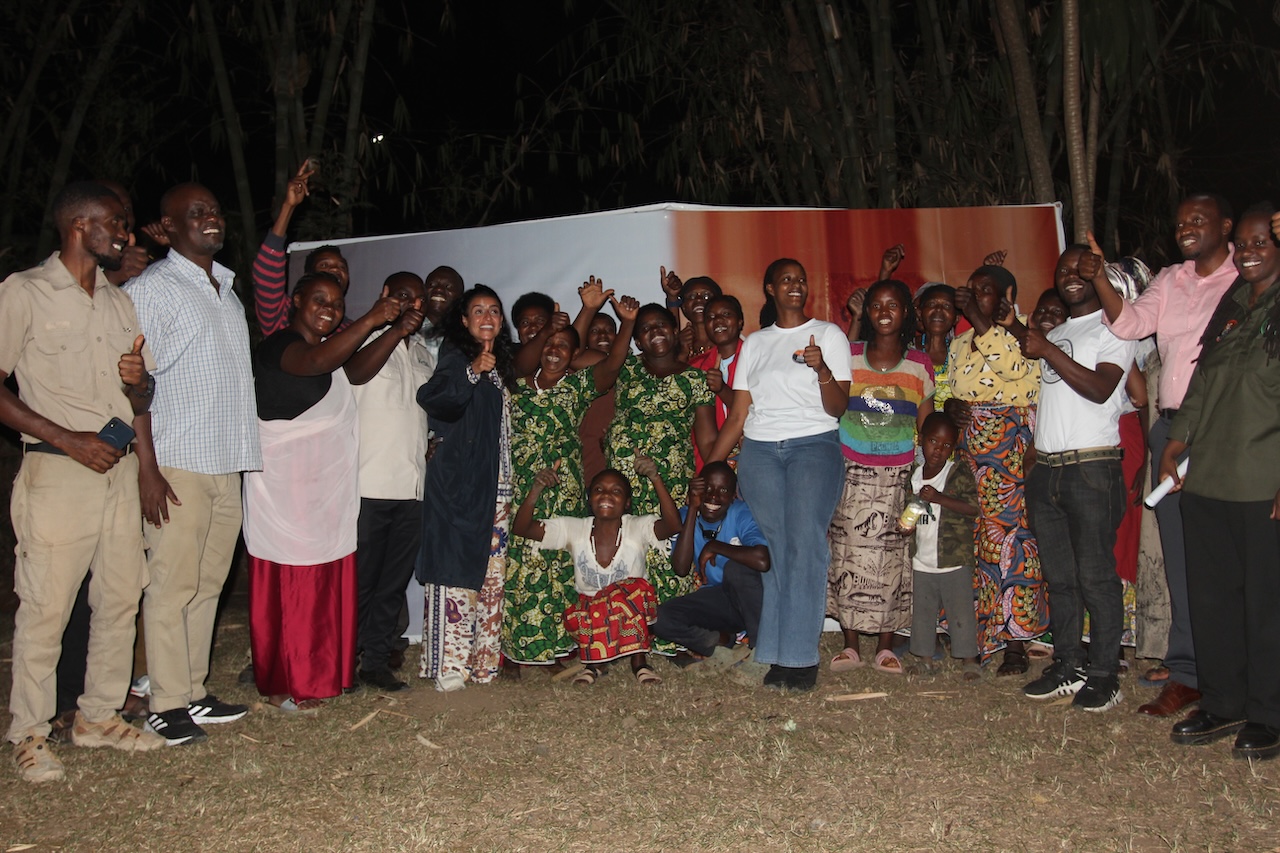
Bakunzi made the remarks as he welcomed the UN Tourism Secretary-General, Shaikha Al Nuwais and her delegation to the Red Rocks Intercultural Centre on Thursday, September 3, highlighting the organisation’s efforts to ensure that tourism extends beyond Rwanda’s iconic Volcanoes National Park to create livelihoods for families, women and young people in surrounding communities.
Nkotsi Village, located about 10 minutes from Musanze town and at the gateway to Volcanoes National Park, was recognised among UN Tourism’s Best Tourism Villages in 2021, during the inaugural edition of the initiative.
“When communities next to Volcanoes National Park benefit directly from tourism, they become its strongest custodians,” Bakunzi said, underscoring the central philosophy behind Red Rocks’ community tourism work.
The visit came after the UN Tourism delegation held a bilateral meeting with the Chief Executive Officer of the Rwanda Development Board and provided an opportunity for the Secretary-General to see first-hand how community-based tourism is being used to diversify Rwanda’s tourism offering.
Volcanoes National Park is home to a significant population of the world’s remaining mountain gorillas, making gorilla trekking one of Rwanda’s flagship tourism experiences. But Bakunzi stressed that communities around the park could not depend on a single tourism product.
Red Rocks, which has organised cultural festivals and community programmes in the area since 2009, has therefore sought to develop complementary experiences built around crafts, culture, food, music and guided village activities.
Bakunzi said the approach was based on a simple connection between tourism and conservation: when local residents earn income from tourism, they have a stronger incentive to protect the natural resources on which that tourism depends.
He cited the Igihoho project, which has operated since 2016, as an example. Through the initiative, 20 women produce environmentally friendly seed bags from banana bark, providing an alternative to plastic while creating an income stream for the women involved.
UN Tourism support strengthens community project
A major focus of the visit was Red Rocks’ participation in the Tourism for Rural Development Small Grants Programme, supported by UN Tourism and enabled by the TUI Care Foundation.
Bakunzi said Red Rocks is implementing a project titled “Empowering Artists and Artisans Through Creative Tourism”, which supports two cooperatives in Nkotsi and Bisate villages.
The project has 100 direct beneficiaries, with women making up 80 per cent and young people accounting for 40 per cent.
The initiative received a €20,000 grant, while Red Rocks is providing an additional €4,500 in co-financing, which Bakunzi described as a genuine partnership rather than simply a funding arrangement.
The programme includes training in advanced craft techniques and design, storytelling, photography and videography, as well as sustainable sourcing of materials. It also seeks to strengthen the artisans’ ability to market their products through social media and gain access to art fairs and exhibitions.
Beyond financial support, UN Tourism is providing technical assistance and capacity-building, while the programme secretariat is working to mobilise mentors to support the digitisation and marketing of experiences developed by Red Rocks.
The initiative also links Red Rocks with sister projects in Namibia, Mozambique and Tanzania, creating opportunities for the participating communities to share experiences and learn from one another across Africa.
From training to international exposure
Bakunzi told the visiting delegation that the project was already making progress.
Training sessions are being held every Friday and Saturday, while workshops focused on sustainable sourcing and innovation were delivered in June.
In July, Red Rocks hosted a TUI Care Foundation press trip that brought journalists from the United Kingdom, Germany, Austria, the Netherlands and Poland to the centre. The journalists spent a full day engaging with the cooperatives and documenting Rwanda’s community tourism story for audiences across Europe.
Young people involved in the initiative are also developing skills in photography, videography and music production, while women’s cooperatives are strengthening their craft production and access to markets.
For Bakunzi, these developments demonstrate the broader potential of tourism to serve as a vehicle for rural development rather than an activity whose benefits remain concentrated around major attractions.
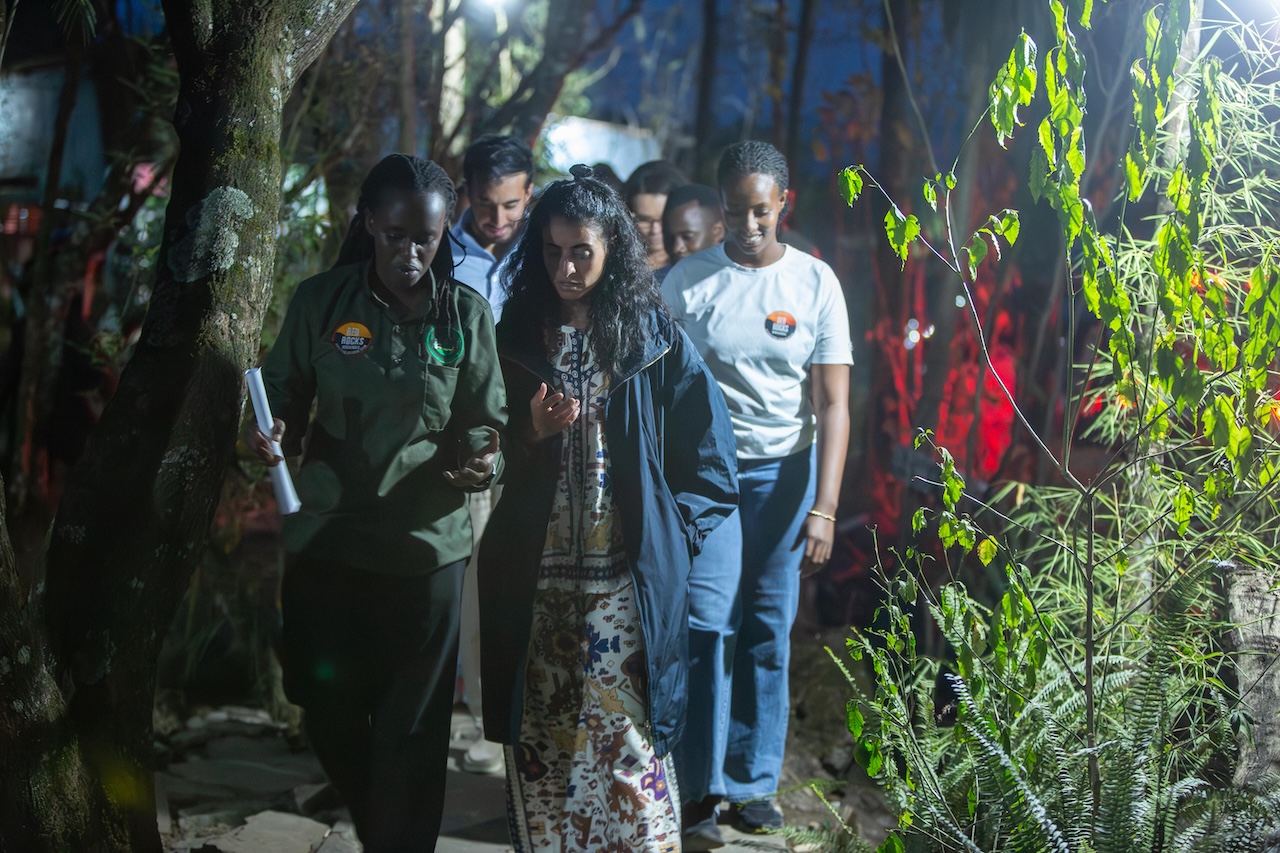
The Secretary-General’s visit included a deeper tour of the project, led by Red Rocks technical lead Melissa, covering basket weaving, pottery, painting, the creative studio and youth activities, as well as culinary arts and food tasting.
The UN Tourism chief was also invited to try basket weaving and hear directly from the head of the women’s cooperative.
Bakunzi said the real significance of the visit lay not simply in the presentation of the project but in seeing the community’s work first-hand.
“What matters most today is not what I say, but what the Secretary-General will now see and touch: the weaving, the pottery, the painting, the creative studio, the food,” he said.
He described the work as pivotal to the future development of Nkotsi and Musanze, particularly as tourism grows into a source of livelihoods that extends beyond gorilla trekking and the boundaries of the national park.
Bakunzi expressed appreciation to UN Tourism, the TUI Care Foundation and the Rwanda Development Board for their support, while expressing the hope that Nkotsi’s experience would gain wider visibility.
He said he hoped the story of Nkotsi would travel with the UN Tourism Secretary-General to Madrid, where the programme’s results are expected to be showcased in December.