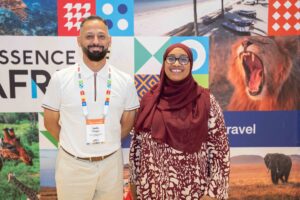

Africa’s safari industry may be overlooking a lucrative space between ultra luxury and mass market tourism, according to Dr Mohanjeet Brar, founder and CEO of Gamewatchers Safaris and Porini Camps.
Brar, who also sits on the Essence of Africa advisory panel, believes the growing polarisation of the safari market is creating room for a different model: high quality, low density experiences that place greater value on wildlife, space, guiding and conservation than on increasingly elaborate lodge facilities.
He describes it as safari’s “missing middle”.
“The best safaris are becoming less passive. Exceptional wildlife remains fundamental, but sophisticated travellers increasingly want to understand what their visit makes possible: how much habitat is protected, whether local communities receive meaningful benefits and whether tourism is helping wildlife populations thrive.”
The argument comes as safari operators across Africa face a changing consumer market, with some properties pushing further into ultra luxury while lower priced products compete on volume.
“At the same time, the market is polarising between ultra-luxury lodges charging several thousand dollars per night and lower-cost, high-volume tourism. This is creating what I call safari’s “missing middle”. Travellers should not have to choose between extraordinary expense and an overcrowded experience.”
For Brar, the opportunity is not simply to create a mid priced safari product.
“There is a third path: a high-quality, low-density safari where guests pay for outstanding wildlife viewing, excellent guiding, authenticity and measurable conservation impact rather than excessive physical luxury.”
The value beyond the room
Brar argues that safari buyers are increasingly interested in what their spending delivers beyond accommodation.
“Some of Africa’s most rewarding safaris take place in small, environmentally sensitive camps without gold taps, private plunge pools or elaborate spas. Their value comes from things that are much harder to manufacture: space, silence, outstanding local guides, wild animals behaving naturally and time to stop, observe and understand.”
“The “missing middle” is really about where the guest’s money goes.”
At Porini, that philosophy is reflected in a deliberately low-density operating model.
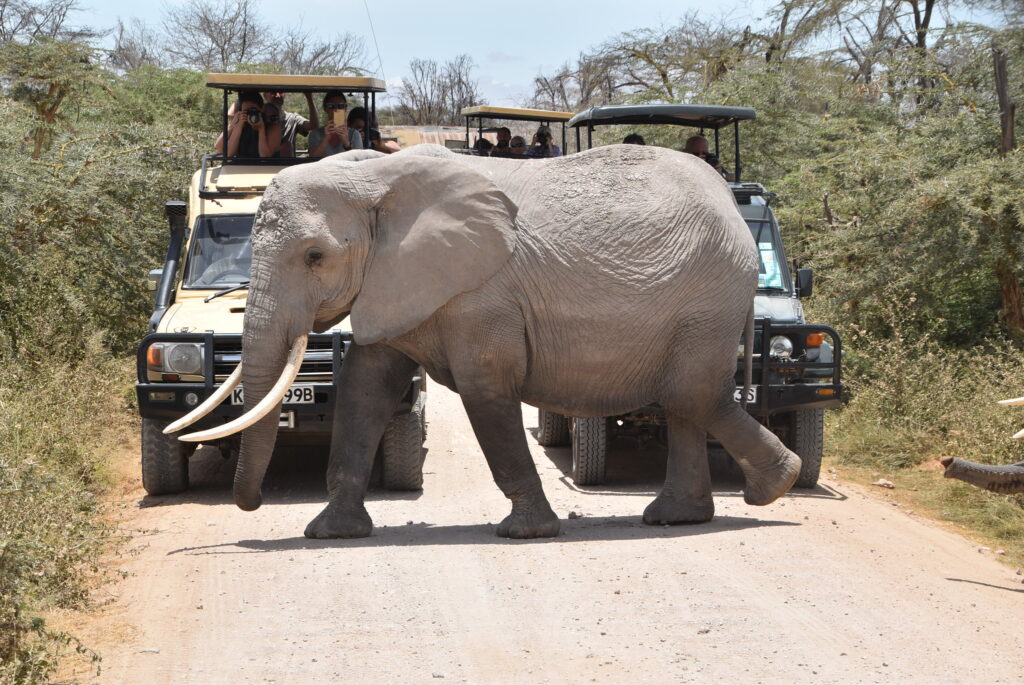
“At Porini, our long-standing benchmark is approximately one guest room per 700 acres of habitat and one vehicle per 1,400 acres. This delivers both an uncrowded safari and a commercially viable reason to protect large areas of land.”
Brar says travellers should therefore look beyond the advertised room rate when comparing safari products.
“So the most useful question is not simply, “How much does this safari cost?” It is, “What is my money helping to create?””
That includes examining vehicle density, the number of rooms operating within a wildlife area, the experience of guides and whether local landowners receive direct and reliable income from tourism.
Conservation as the business model
For operators, Brar identifies investment in people, land and credible measurement as priorities.
“We should be reporting more than occupancy and room rates. That means acres protected per room, community value generated per guest and vehicle density across the wildlife area.”
The Gamewatchers community conservancy model currently protects approximately 120,000 acres and supports more than 300 community jobs, while generating more than US$2.5 million annually in lease payments, wages and community benefits, according to the company.
Direct payments reach more than 7,000 Maasai and Karamojong community members and households.
“These are not CSR projects added around our tourism business. They are the tourism business.”
That approach is also being extended beyond Kenya.
“We are taking the principles we pioneered through Kenya’s community conservancies into Uganda through the newly established Kidepo Lomej Conservancy, which is now being operationalised.”
The objective, Brar says, is to establish a tourism funded conservation model alongside Kidepo Valley National Park.
“The objective is not simply to open another camp, but to create an enduring tourism-funded model through which local communities benefit directly from protecting wildlife habitat alongside Kidepo Valley National Park.”
A different definition of safari luxury
The model challenges an industry increasingly associated with larger suites, private pools and high end facilities.
“The safari luxury arms race is overhyped. Larger suites, private pools and increasingly elaborate facilities do not automatically create a better safari.”
Brar believes the industry’s most valuable assets remain the wilderness itself, the people who understand it and the space available to experience it.
“The most valuable safari assets are the land, its wildlife, knowledgeable people and the time and space guests are given to experience them.”
“For me, the greatest luxury in Africa is having time and space in a thriving wilderness, guided by people who understand it, knowing that your presence is helping to keep it intact.”
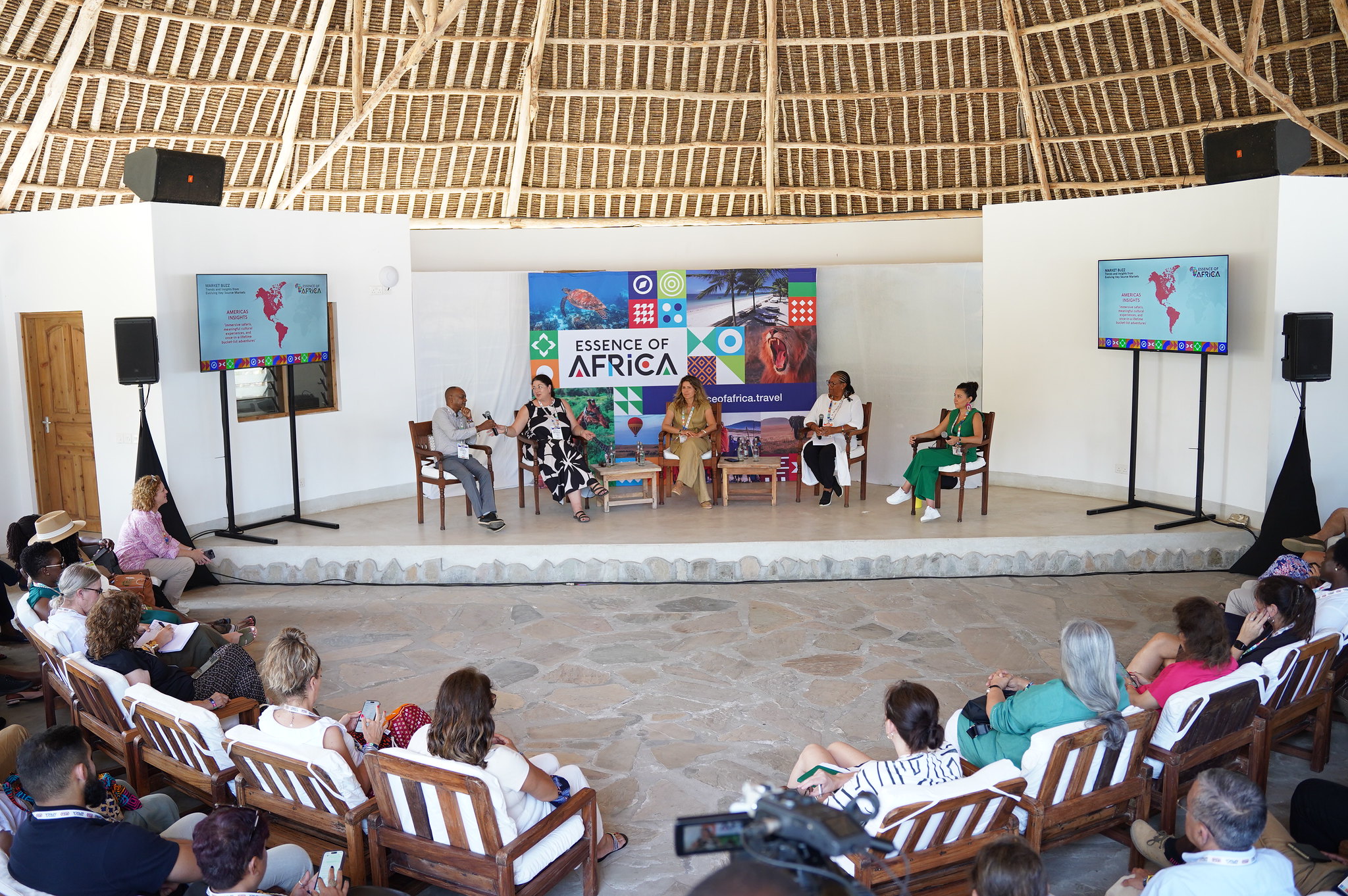
Brar will take this conversation to Zanzibar in October, where he will join industry stakeholders at Essence of Africa 2026.