
The Gambia has launched a new strategic framework for its tourism sector alongside an evolved National Tourism Brand Identity, in a move aimed at strengthening the country’s position as a leading destination in West Africa.
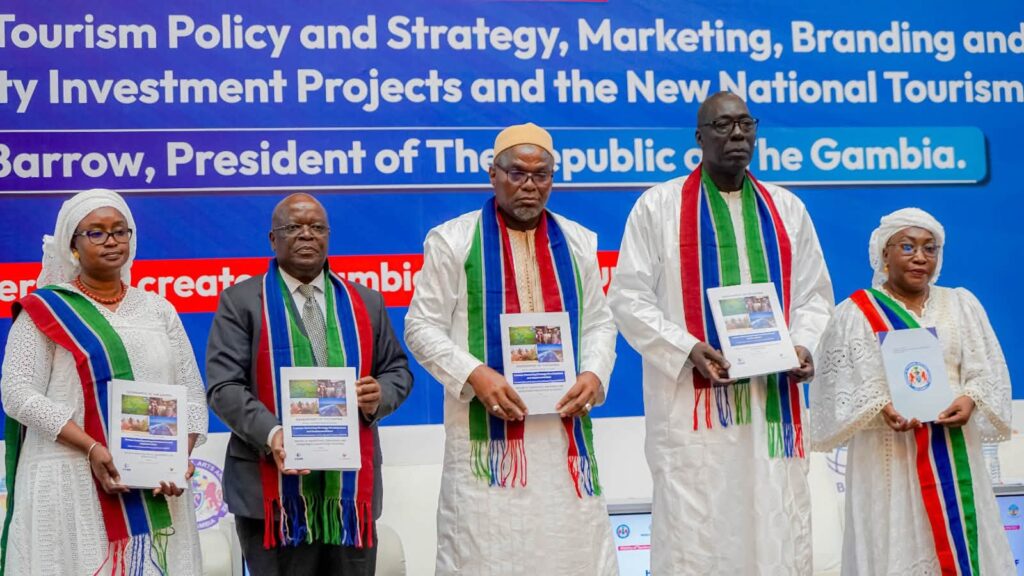
The new framework was officially launched on November 9, 2026, by Vice President His Excellency Muhammed B.S. Jallow at a ceremony attended by tourism stakeholders, development partners and other dignitaries.
The launch featured three strategic instruments expected to guide the future development and growth of the country’s tourism industry.
These include the Revised National Tourism Policy and Strategy, which provides a framework for sustainable and inclusive governance and development of the sector; Six Priority Tourism Investment Business Cases, designed to attract private-sector investment, diversify tourism products and create employment opportunities; and the Tourism Marketing, Branding and Investment Promotion Strategy, which seeks to strengthen The Gambia’s international competitiveness.
The new marketing and investment strategy will particularly position the country as a leading West African destination for heritage, river and ecotourism experiences.
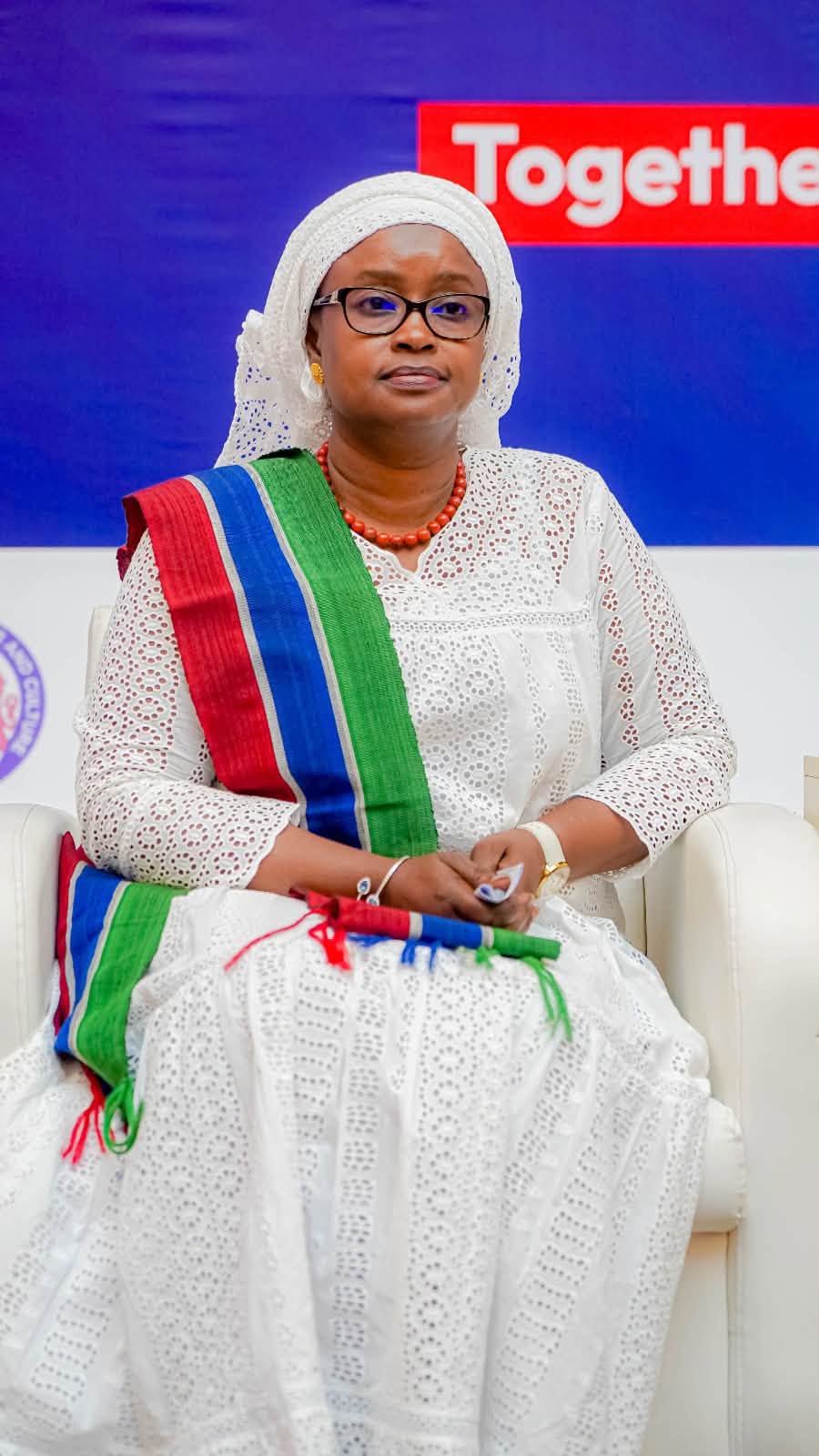
Ida Njie, CEO , Gambia Tourism Board
A major highlight of the event was the unveiling of The Gambia’s evolved National Tourism Brand Identity, which is expected to give the country a refreshed global image and better communicate its tourism offerings to international audiences.
The strategic instruments were developed by the Ministry of Tourism, Arts and Culture with support from the World Bank-financed Tourism Diversification and Resilience Project.
They are also intended to translate the tourism priorities outlined in the Yiriwaa National Development Plan 2023–2027 into practical action, with particular emphasis on economic diversification, job creation and building resilience within the sector.
The initiative forms part of broader efforts to strengthen tourism’s contribution to the Gambian economy while creating new investment opportunities and promoting a more diverse and sustainable tourism industry.