


A quick look at the latest hospitality related news in Africa, would tell the reader of the growth of the industry through the influx of international hotel chains and indigenous hotels, marking the industry’s response to demand from the increase in economic activities in many countries.
In its annual Hotel Pipeline Report, W Hospitality Group reports a 14% year on year growth in Africa’s hotel pipeline with 418 hotels. This is a significant period as Africa’s hospitality ecosystem takes shape. As we jubilate over what is to come from this exciting news such as employment opportunities, industry stakeholders must address one crucial aspect: human capital development.
More people are travelling to and within Africa. In fact, the region marked the highest growth with a 9% increase in international arrivals according to the 2018 Tourism Highlights report by UNWTO. As a service-driven industry, this robust growth indicates the need to adequately develop every aspect of Africa’s tourism to match world-class standards by addressing the challenges the industry faces such as skilled workforce.

Human engagement is a pillar of hospitality. While technology advancements have streamlined daily operations, the quality of service provided determines the success of an organization. As more service providers enter the market, consumers are laden with choice and the ability to retain guests, is by ensuring quality service is delivered consistently. Providing quality service starts with education and training of the workforce. By sampling hospitality establishments or accessing reviews on websites like Trip Advisor, service gaps can easily be identified, showing the need to provide the service which matches money spent considering high average daily rate in major African cities.
The presence of hospitality-focused institutions will equip local workforce with the skills to excel within the industry at all levels. Majority of training institutes across the continent focus on the skills required for daily operations. It is crucial to note that hospitality goes beyond operations such as front office, food and beverage. As such, a well-rounded approach needs to be conceived in nurturing local talent, preparing them for managerial positions and the commercial aspect of the business including revenue management, event management, sales, marketing, finance, research, etc.
The dynamics of hospitality have evolved over the years, resulting in educational curriculum fine-tuned to meet the state of global affairs. Climate change, over tourism, innovation, technology, digital economy and sustainability are some crucial issues that have taken a lead in the industry and have been infused in international institutions. It is therefore imperative to equip the local workforce with knowledge. Europe boasts some hospitality institutions of the highest repute such as Glion, Les Roches, École hôtelière de Lausanne, International Hospitality Management School Vatel with campuses in Asia and North America. The International Hospitality Management School Vatel currently operates campuses in Kigali, Rwanda and Dakar, Senegal serving as an encouragement and hopefully a sign of more to come.
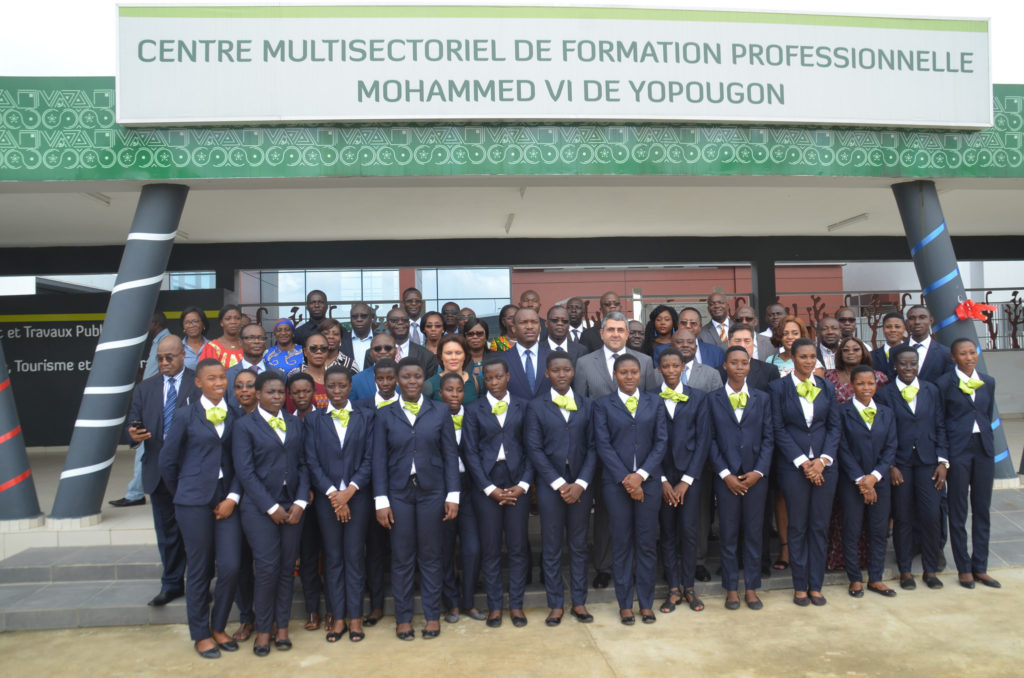
The development of related programs and institutions should be prioritized in parallel to the rapid advancement in hospitality and tourism on the African continent. Being one of the most vibrant, dynamic and rewarding industries, educating the local community in this sector will address one of the biggest problems plaguing our youth: the high rate of unemployment. The industry has the potential to create millions of jobs; the World Bank estimates 3.8 million jobs in the sector over the next 10 years in Sub-Saharan Africa. However, we must commit to nurturing local workforce to thrive.
About Author
Rhoda is hospitality professional with extensive work experience in the Gulf region. She holds a Bachelor’s in Hospitality Management from European University Cyprus and a Masters in Strategic Tourism Management from SKEMA Business School France. Rhoda is passionate about tourism development in Africa and advocates for intra-Africa travel.
Follow Rhoda