
Africa continues to experience exponential growth in its tourism numbers albeit corresponding receipts is a bit lower.
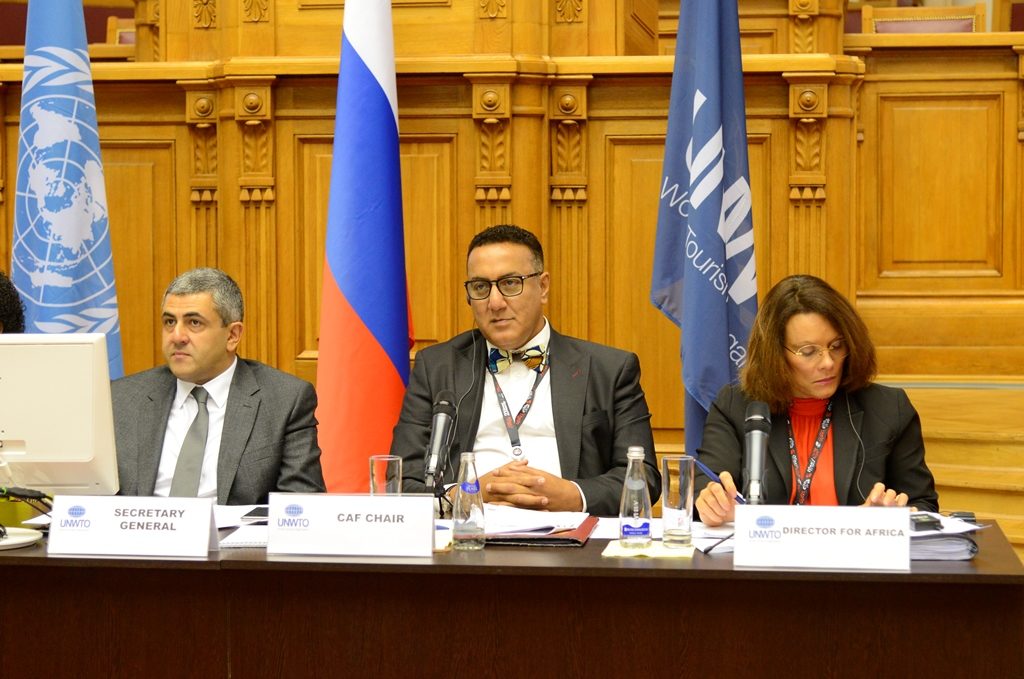
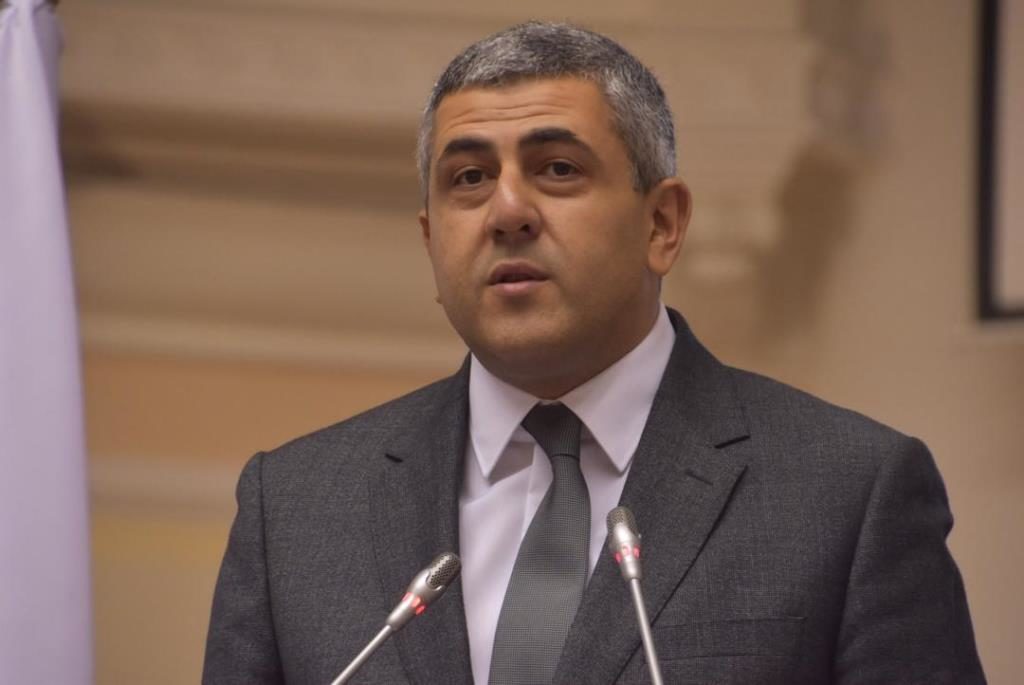
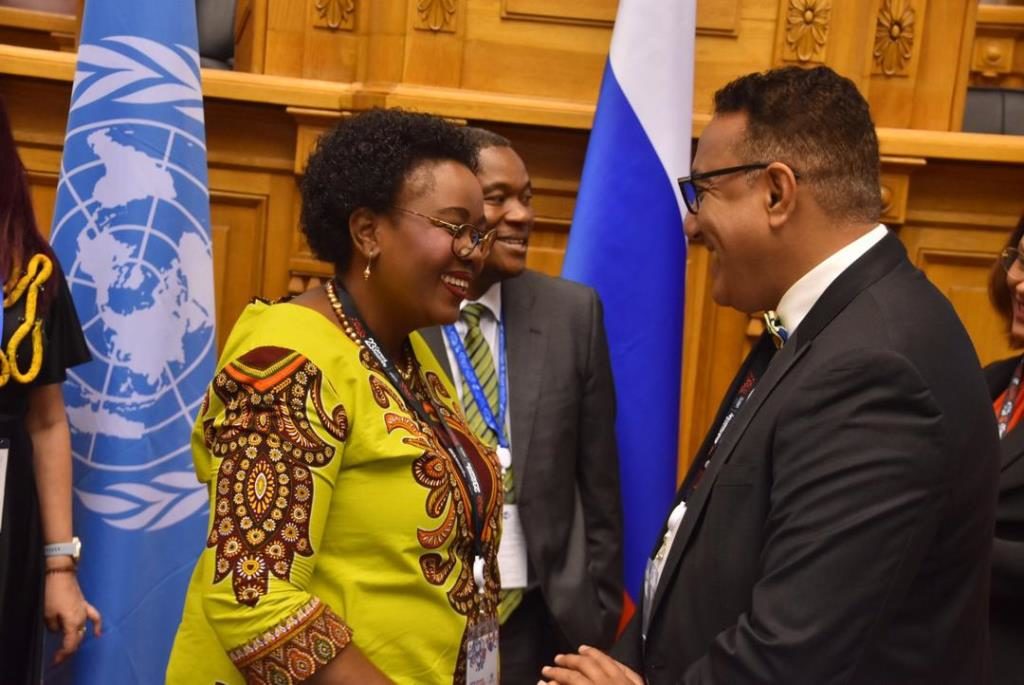
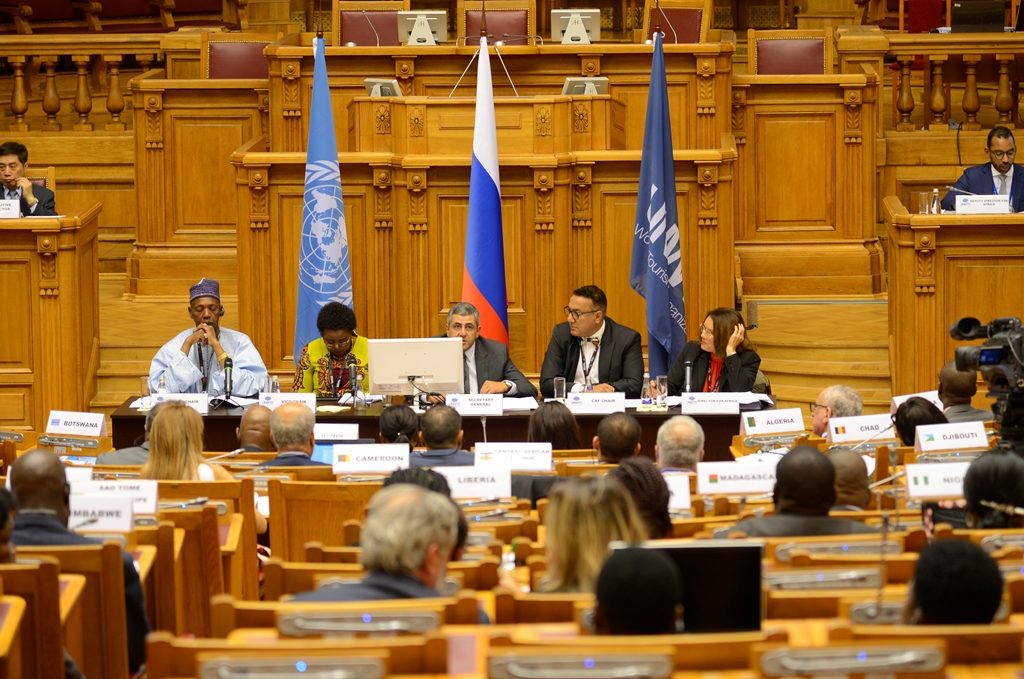
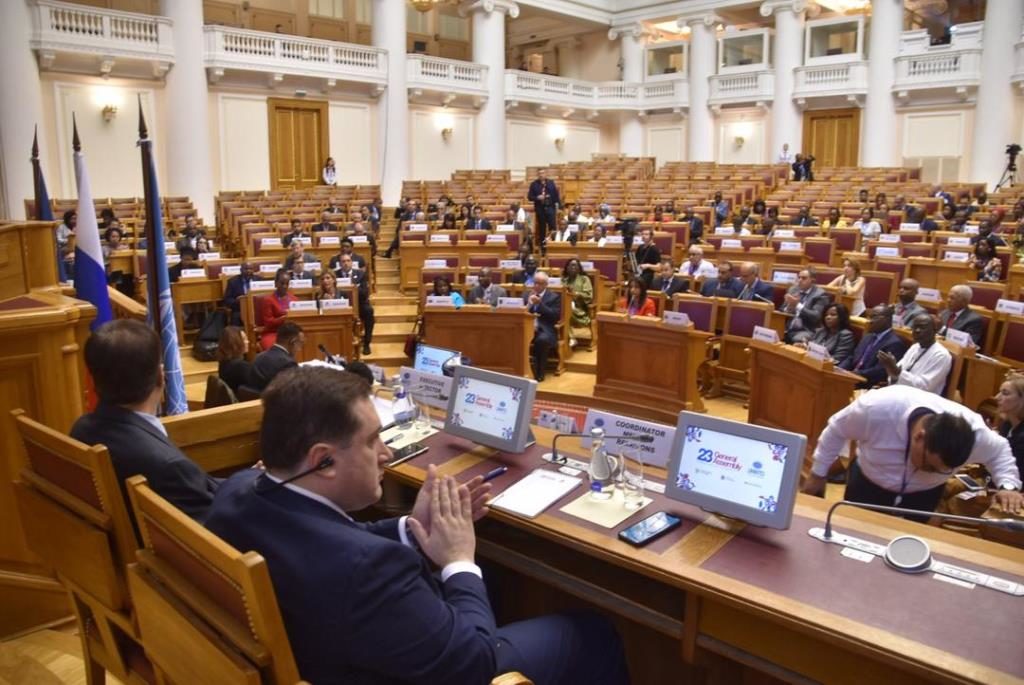
According to figures provided by the UNWTO and reiterated by its Secretary General Zurab Pololikashvili at the 62nd Commission for Africa (CAF) meeting on the fringes of the ongoing 23rd United Nations World Tourism Organisation General Assembly in Saint Petersburg, Russia, Africa received 67 million international tourists in 2018, a 7% increase from the previous year. These tourists generated 38 billion USD in Africa.
This according to UNWTO has been driven by a strong economy, a growing middle class in emerging economies, technological advances, new business models, increased air capacity, affordable travel costs and visa facilitation, which is also responsible for the larger international figures.
Yet, although growth is strong in volume, Africa still faces the challenges of translating such growth into higher income.
For the first six months of 2019, growth in international tourist arrivals was somewhat slower (+3%, the same that is happening at the global level)
Results have been driven mainly by Northern Africa with a strong performance, however with no growth in Sub-Saharan Africa.
“These results are very indicative as there are only limited countries in Sub-Saharan Africa with data for 2019 at this point – indeed this is one of our main challenges,’’ Pololikashvili said.
Yet, prospects for Africa remain very positive as Foreign Direct Investment (FDI) in tourism in Africa grew from 2.6 billion in 2014 to 6.7 billion in 2018 which translates investors’ confidence in Africa’s tourism.
The share of tourism in the global exports of Africa grew from 4% in 1980 to 9% last year, making the sector particularly important for Africa’s balance of payments and international competitiveness.
UNWTO report presented in Cabo Verde at the UNWTO/ICAO conference in March showed the share of world population affected by visa policies when travelling to Africa declined from 88% in 2008 to 45% 2018.
There are bright prospects for Africa’s Tourism as it creates jobs at a stronger pace than overall employment and employs a higher share of women as compared to all sectors of the economy.
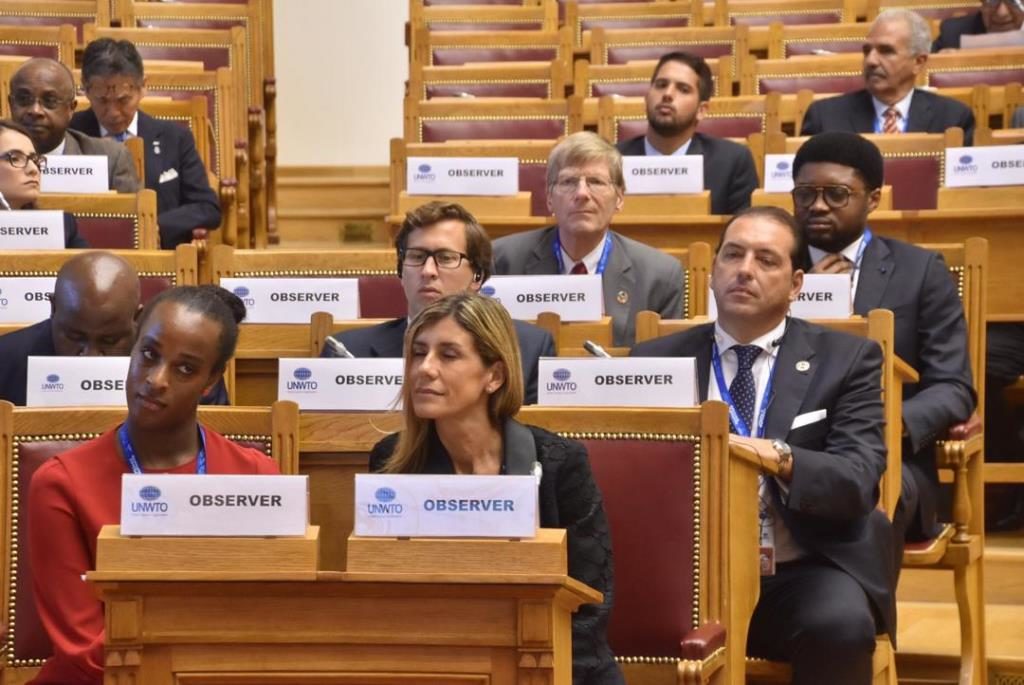
The Secretary General insists that “tourism is a sector that can bring economic transformation, create more jobs, greater opportunities in education and to better the livelihoods of people on the continent.”
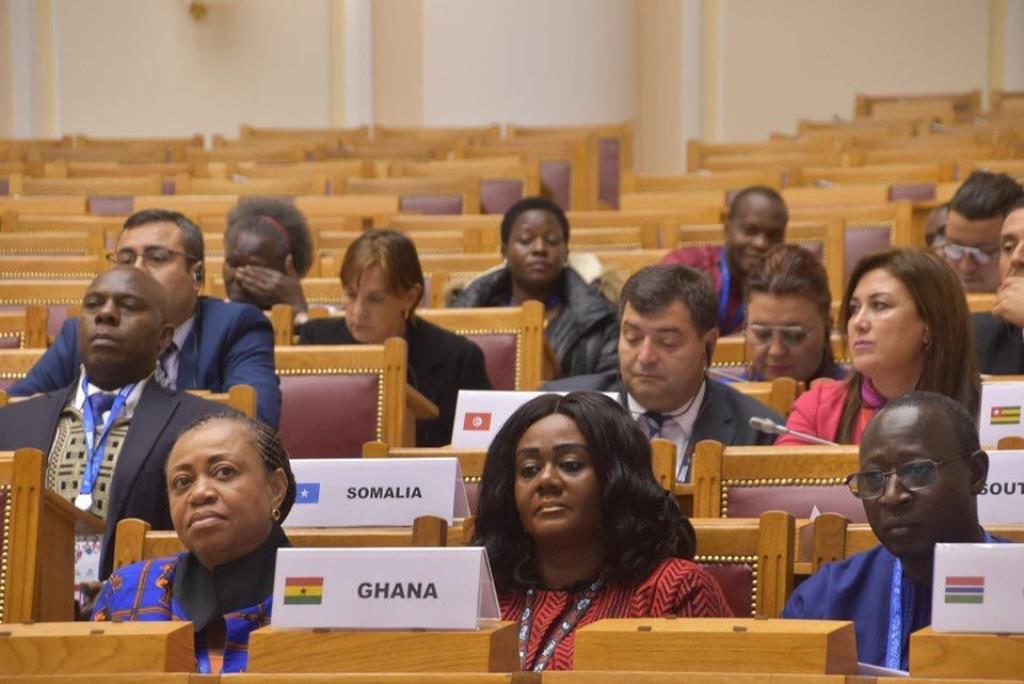
Click here to view images from the 62nd CAF Meeting.
By: Samuel Obeng Appah