
Sierra Leone has achieved a remarkable transformation in its visa openness policies, significantly enhancing access for travelers and strengthening its appeal as a tourism destination. Between 2023 and 2024, the country’s Visa Openness Index (AVOI) score rose by 0.309 points to reach 0.811, propelling its ranking from 22nd to 13th among African nations. This change demonstrates Sierra Leone’s commitment to fostering regional connectivity and global tourism.
Sierra Leone recently granted visa-free travel to citizens of Ghana and Nigeria, both members of the Economic Community of West African States (ECOWAS). Previously, these travelers could only access visas on arrival. This policy shift has contributed to ECOWAS achieving a regional reciprocity score of 99%, making it one of the most accessible regions for African travelers.
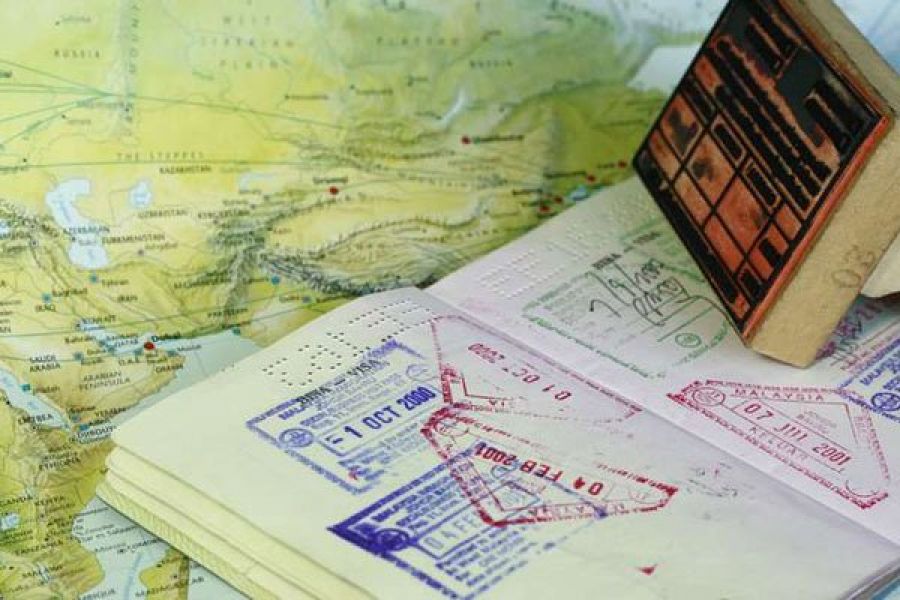
Today, 20 countries enjoy visa-free access to Sierra Leone, up from just a few previously. While most African travelers still require visas, 35 countries now qualify for visa-on-arrival arrangements. Only three countries—Djibouti, Equatorial Guinea, and Ethiopia—still require travelers to obtain a visa before departure.

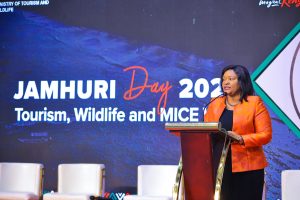
Commenting on the report, the Minister of Tourism and Cultural Affairs Nabeela Farida Tunis said ””I am proud of Sierra Leone’s remarkable progress in visa openness, a testament to our commitment to fostering regional connectivity and tourism growth. Between 2023 and 2024, our Visa Openness Index score rose by 0.309 points to 0.811, propelling us from 22nd to 13th among African nations. This transformative achievement highlights our strategic efforts to foster seamless travel, economic growth, and cultural exchange. By welcoming more travelers with visa-free and visa-on-arrival policies, Sierra Leone is positioning itself as a leading destination, enhancing its appeal across Africa and beyond, and ensuring shared prosperity through tourism-driven development.”
Sierra Leone has also introduced reciprocal agreements to exempt citizens of specific African Union (AU) countries from visa fees. Beneficiaries include Botswana, Eswatini, Kenya, Lesotho, Malawi, and Mauritius, further reducing barriers to entry for these travelers.
The ease of travel is a crucial factor in destination appeal, and Sierra Leone’s policy changes reflect its broader strategy to attract visitors and bolster its tourism sector. By granting greater visa-free and visa-on-arrival options, the country positions itself as a more welcoming destination for regional and international tourists. This is particularly significant for ECOWAS, whose 15 member states contribute to vibrant cross-border travel and trade.
Sierra Leone’s progress signals a commitment to fostering regional integration and tourism-driven economic growth. With only Guinea-Bissau yet to fully reciprocate ECOWAS’ visa-free policies, the region is edging closer to seamless travel for its citizens. This bodes well for tourism stakeholders seeking to tap into a growing and interconnected African tourism market.