

For centuries, giraffes have stood as Africa’s unmistakable icons, their long necks and striking patterns painting an image of one familiar species. But science has just set the record straight: giraffes aren’t one species at all – they are four.
This groundbreaking revelation, announced by the International Union for Conservation of Nature (IUCN), reshapes everything we thought we knew about the world’s tallest mammals. Until now, giraffes were classified as a single species with nine subspecies. But after years of genetic, morphological and geographical research, scientists have confirmed what DNA has been hinting at all along – giraffe diversity is far richer and more complex.
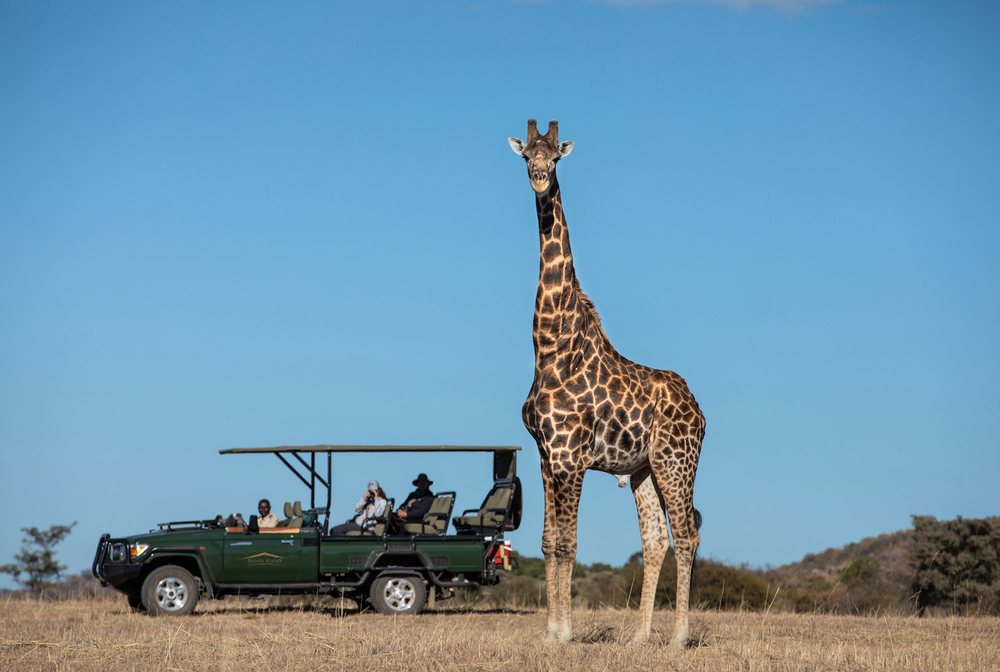
For safari travellers in South Africa, the discovery makes every sighting even more remarkable. The giraffes gracefully wandering the plains of Mabula Private Game Reserve are no longer just “giraffes” – they are members of the Southern giraffe (Giraffa giraffa), one of only four distinct giraffe species on Earth.
“This isn’t just a scientific milestone – it’s a reminder of how much there still is to learn about Africa’s wildlife,” said Maralize Mulder, Marketing Manager at Extraordinary Resorts Management. “Our safari guests often describe giraffes as otherworldly. Now we know they’re more diverse than we ever imagined. Each giraffe encounter tells a new chapter in Africa’s unfolding story of evolution and conservation.”
The four newly recognised species are:
- Northern giraffe (Giraffa camelopardalis)
- Reticulated giraffe (Giraffa reticulata)
- Masai giraffe (Giraffa tippelskirchi)
- Southern giraffe (Giraffa giraffa) – including South African and Angolan populations
This classification isn’t just about names – it’s about survival. Giraffe numbers have plummeted by almost 30% in three decades, and conservationists now have the tools to tailor protection plans species by species, region by region. For the Southern giraffe, this means a sharper focus on preserving their rangelands across Southern Africa, including the wild habitats protected by reserves such as those in the Extraordinary portfolio.
The timing is significant. Less than two months from now, the IUCN World Conservation Congress will convene in Abu Dhabi, bringing together leaders from government, business, and conservation to shape the next chapter for species survival worldwide. This taxonomic breakthrough is expected to guide global policy and strengthen the case for targeted giraffe conservation.
“Science evolves, and so does conservation,” added Mulder. “At Extraordinary, we are proud to help protect these gentle giants, ensuring that when our guests look up in wonder at a giraffe’s towering frame, they’re also witnessing one of the planet’s most unique evolutionary legacies.”
Visit the IUCN Congress website for more information.
The full report can be accessed here.