
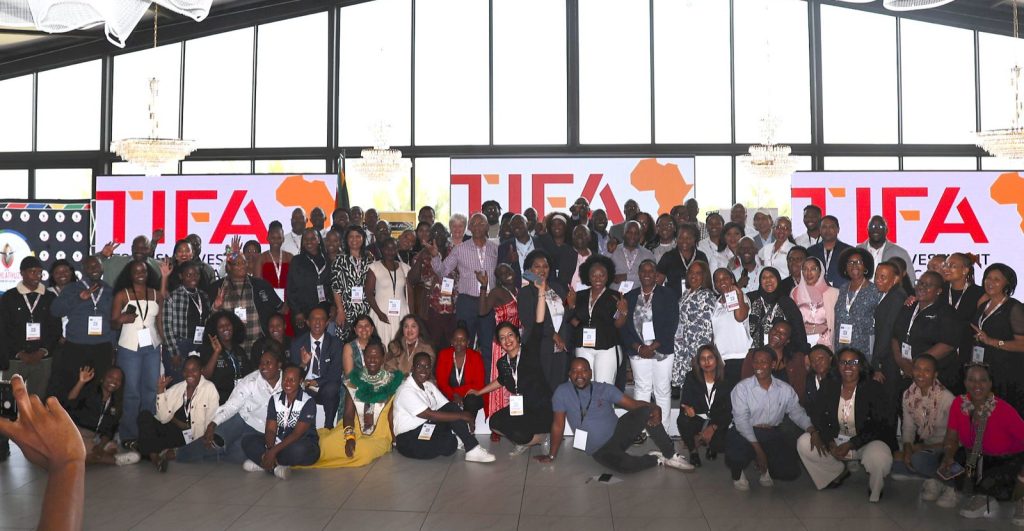
The Tourism Investment Forum Africa (TIFA) continues to strengthen its position as Africa’s premier platform for unlocking growth through strategic investment in tourism and related sectors. Building on its inaugural edition in Upington (2023) and its Cape Town follow-up (2024), this year’s Forum demonstrated how collaboration, innovation, and local leadership are driving sustainable transformation across the continent.
The first day of TIFA 2025 included guided site visits, giving delegates an early look at major investment projects central to the City of uMhlathuze’s tourism and economic transformation strategy. Highlights included:
- The Ridge Development: A mixed-use precinct integrating 15,000m² residential, 9,600m² hotel, and 7,700m² commercial space, aimed at fostering inclusive urban growth.
- Steel Bridge: A R130 million landmark project to serve as the gateway to the Richards Bay Waterfront, fully funded and ready for implementation.
- Richards Bay ICC Precinct: A 45-hectare site set to host a world-class conference facility alongside hotel, casino, retail, residential, and water-sport amenities.
- Waterfront Precinct Development: A 153.7-hectare greenfield project with 82 serviced properties, valued at R332 million.
- Central Industrial Area (CIA): Part of the Richards Bay Multi-Modal Precinct, offering serviced industrial sites for manufacturing, logistics, and warehousing.
- Richards Bay Industrial Development Zone (RBIDZ): A ZAR1.25 billion initiative targeting ICT, renewable energy, marine industry, agro-processing, and advanced manufacturing.
- Richards Bay Airport Relocation and Redevelopment: A ZAR1.25 billion PPP project for a modern regional airport city, now entering procurement with infrastructure and land acquisition budgets allocated.
By showcasing live projects, the City and its partners demonstrated not just potential, but readiness for investors seeking immediate entry points into a fast-growing market.
The second day shifted momentum into conference halls, where delegates engaged in high-level investment opportunity presentations, SME exhibitions, and business-to-business exchanges. Entrepreneurs showcased their innovations, project owners pitched to investors, and financial institutions outlined pathways for accessing capital. Day 2 effectively set the stage for deeper conversations on sustainability, inclusion, and technology that would dominate the Forum’s closing day.
The third day’s sessions reaffirmed one of TIFA’s founding principles: that unlocking capital must go hand in hand with enabling structures on the ground.
“It’s been very informative… bringing in foreign direct investment. Governments… at municipal level can create information desks, which are enablers,” said Safiyya Akoojee, underscoring how practical mechanisms at the local level can accelerate investment readiness.
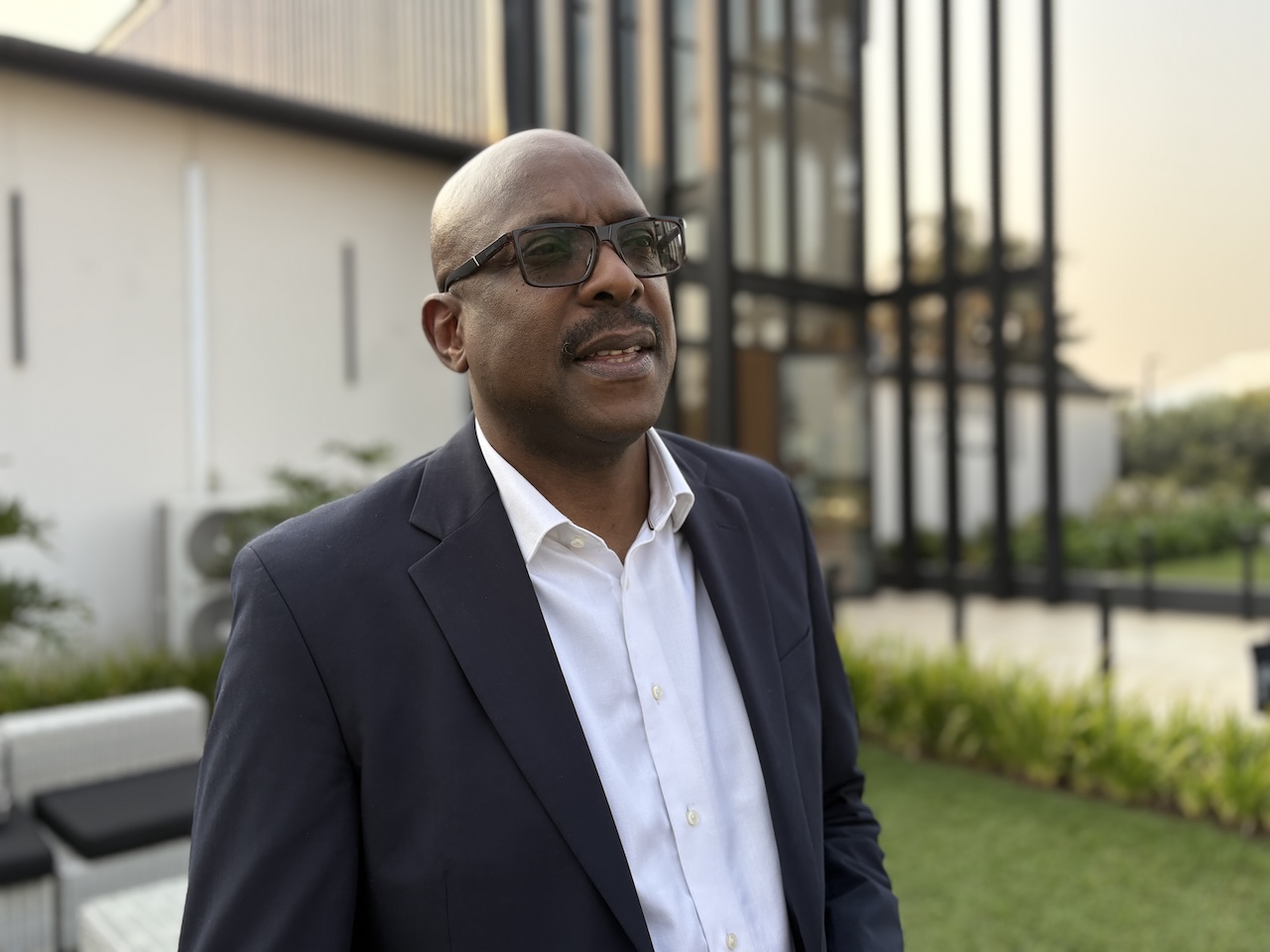
Miller Matola,CEO of Millvest Advisory
Councillor Christo Botha stressed the importance of exposure and cultural pride as critical drivers of investment and growth:
“Our real challenge is exposure, helping our people and our regions become visible in global markets. But at the same time, we must anchor ourselves in culture. This new culture is life, and it defines who we are. It gives us a unique identity that sets us apart, and this identity is one of our greatest strengths as a people.”
A recurring theme of TIFA 2025 was the role of small businesses as catalysts for inclusive growth. This year introduced the SME Pavilion and Sustainability Village, which provided entrepreneurs, particularly women- and youth-led enterprises, with a platform to connect with banks, development finance institutions, and investors.
“The SME Pavilion… sustainability Village… ensure the involvement of not just youth, but also women and women-owned enterprises. For us, that’s part of the evolution of TIFA,” said Miller Matola,CEO of Millvest Advisory.
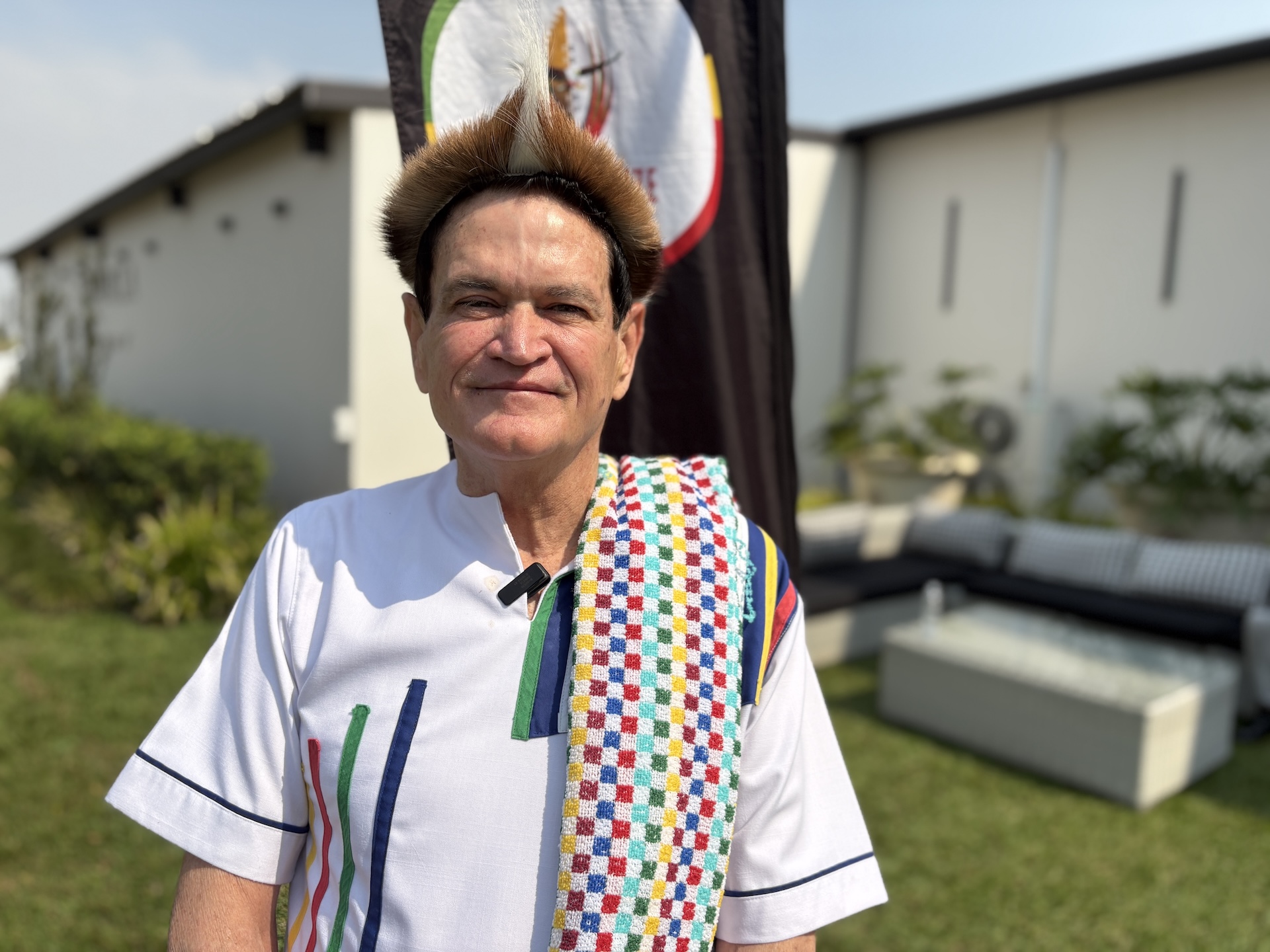
Councillor Christo Botha
Reflecting on the Forum’s trajectory, Matola added:
“We had to go back to the drawing board… positioning TIFA as a platform for secondary and tertiary regions… And with the SME Connect Zone, we addressed issues of market access and access to finance, both financial and non-financial. It’s critical.”
Innovation also took centre stage, particularly in the Technology and AI in Tourism session. Here, panelists explored how digital transformation can fuel smarter tourism investment and create resilient destinations.
The closing panel on Tourism, Film, Culture & Place Branding highlighted the power of storytelling in shaping global perceptions of African destinations. This discussion resonated with TIFA’s “Beyond the Landmarks” narrative, which positions secondary cities like Richards Bay not just as local hubs but as global players in tourism investment.
The TIFA Social Impact Award is designed to contribute to the development of skills and talent in the fields of tourism and investment management. It provides opportunities for high-performing students to attend the Forum with all expenses paid, where they benefit from mentoring and coaching by industry professionals. The award supports capacity building, nurtures future leaders, and aligns with TIFA’s broader goal of fostering responsible and sustainable tourism development in Africa.
In 2024, the award was presented to Wesley Mathibela Nkogatse (Tshwane University of Technology) and Reabetswe Motswe (University of South Africa).
At the 2025 edition, two outstanding students from the University of Zululand, Ndivhuwo Madavha and Buhle Pretty Nkosi, were honoured as recipients. Their recognition underscored TIFA’s commitment to empowering Africa’s youth and reinforcing education as a cornerstone of sustainable tourism growth.
From the deal rooms to the exhibition floors, Day 3 illustrated TIFA’s unique value proposition: it is more than a conference, it is an engine for tangible action. Business-to-business matchups, culture-driven branding conversations, and bold discussions on AI in tourism created a roadmap for a tourism economy that is resilient, inclusive, and future-ready.
As TIFA continues to evolve, the lessons from Richards Bay reaffirm that Africa’s competitive edge lies in its ability to craft African solutions for African challenges and to elevate its secondary cities and SMEs onto the global tourism investment stage.