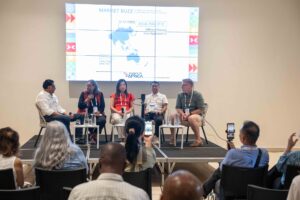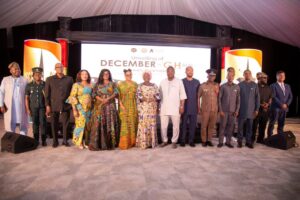


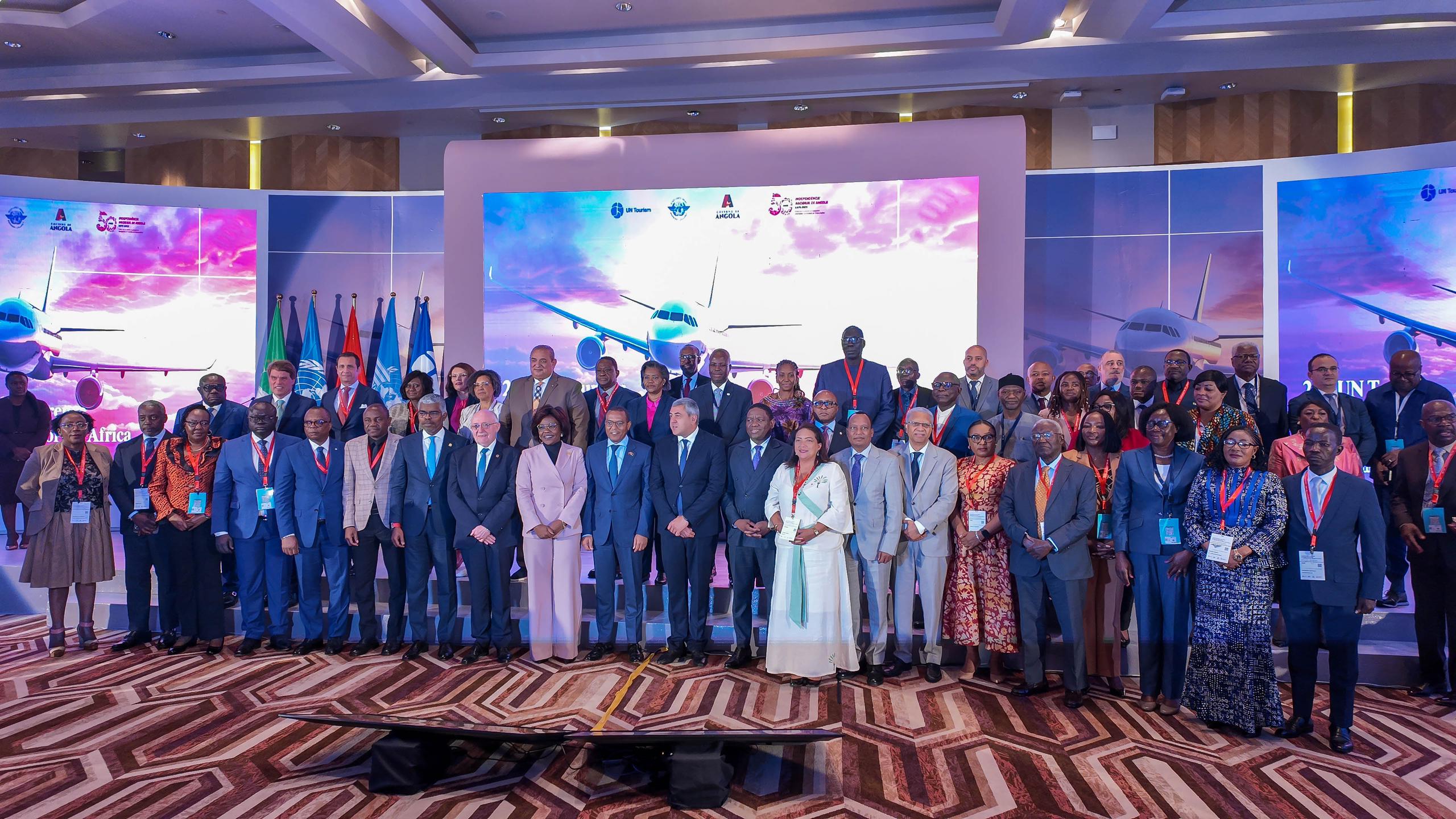
From 22 to 24 July 2025, the InterContinental Luanda Miramar played host to the prestigious 2nd UN Tourism and ICAO Ministerial Conference on Tourism and Air Transport in Africa, co‑organised by UN Tourism, ICAO, and the Government of Angola. Nestled in the thriving coastal capital, the conference brought together more than 200 ministers, dignitaries, industry leaders, and 500 attendees spanning carriers, operators, investors, and policymakers.
When I boarded my flight from Lagos, Nigeria’s commercial capital, to Luanda, Angola via Ethiopia, for the conference, I expected the usual: a busy airport, rushed schedules, polite but hurried conversations. What I didn’t expect was to fall head over heels with a city, a culture, and a conference that would leave a lasting mark on me.
My first impressions mirrored what many delegates experienced: seamless airport transfers, traffic that reflects an unexpectedly considerate driving culture, and a city where pedestrian safety appears institutional rather than reactive. I noticed something remarkable: Angolans drive to underpin the fact that they like each other. No blaring horns, no aggressive overtaking — just patience, courtesy, and a shared respect for the road.
The Epic Sana hotel, where I stayed, was so elegant that it felt like it was built to host history. It provided top-tier dining and wellness offerings that made it stand out – clean, opulent, and welcoming.
When I arrived at the InterContinental Luanda Miramar for the conference, I was greeted with traditional Angolan dancers who offered a vibrant welcome, demonstrating a powerful cultural overture and movements that were in sync with the pounding drums, delivering an electrifying welcome. The delegate accreditation and check-in was flawless — a perfect balance of UN-level organisation and Angolan warmth. Professional ushers and courteous security staff ensured that the entire process was smooth, efficient, and elegantly choreographed.
The People, The Purpose, The Power
The conference opened with an Expert Workshop, tackling the nuts and bolts of modernising tourism and air travel. Thought leaders and technical experts assessed innovation in mobility, AI in transport, infrastructure funding models, and regulatory reform—setting the stage for deeper ministerial discussions

Kingsley Uranta
In the evening, under the theme “Accelerating Synergies for Resilient and Sustainable Growth,” the official opening came with speeches by Zurab Pololikashvili, Secretary‑General of UN Tourism, who reminded the audience that tourism and aviation are not just economic sectors; they’re catalysts for Africa’s transformation. Angola’s Tourism Minister, Daniel Márcio, spoke of tourism as a national priority, while Transport Minister Ricardo de Abreu emphasised infrastructure as the glue binding the continent. For him, African integration can only happen when there are modern, efficient, accessible air transport systems for Africa. ICAO President Salvatore Sciacchitano tied it all together with the global aviation perspective and highlighted collaborative spirit as essential to driving both safety and inclusive growth across the continent.
When Policy Meets Party
Day one ended with a pure, magical night, a festive cultural reception with music that made your feet tap without permission, the rich scent of Angolan spices in the air, and conversations that danced between policy and personal stories. It was diplomacy, but with rhythm.
The Big Moves were made in days 2–3. It was etched in Ministerial Sessions & Declaration Signing.
The main sessions tackled empowerment across five pillars: infrastructure modernization, visa and travel facilitation, public-private partnerships, digital innovation, and gender and youth empowerment.
Ministers formally adopted the Luanda Ministerial Statement (also known as the Luanda Declaration), committing to, among other things, upgrading airports, roads, and air navigation systems with significant investment support, simplifying visa regimes: multi-entry, longer validity visas, and faster procedures. Other areas of agreement are promoting intra-African tourism through joint destination marketing and private‑sector collaboration, harnessing continental frameworks like AfCFTA and SAATM for policy alignment and market integration.

Personal Highlights: Journalism & Journey
Somewhere between policy sessions and coffee breaks, I found myself back in my old element, covering the event with three television reports. I hadn’t done that in over two decades, and it felt like rediscovering a part of myself I’d left in the archives. But as they say, you cannot teach an old dog new tricks. I was in my best element, I was at home doing those fine reports.
—- And the Grand Farewell
The State Banquet closed the event in style: fine dining, rich conversation, and an atmosphere of optimism. By the end, it was clear this conference wasn’t just about tourism and aviation; it was about connection, legacy, and the future of Africa.
Just as the conference ended, Luanda got unplugged as the post-conference saw some delegates visiting the new International airport while others toured the marina, the cathedral, the Central Bank, and the haunting Slave Street. Each stop was a chapter in Luanda’s story — a blend of beauty, history, and ambition.
Finally, in retrospect, why did the conference matter? The answers are simple; the conference aligned aviation and tourism policies, accelerating modernisation, inclusion, and regional integration.
Angola, as a host, was fantastic. This is a country that is gradually emerging as a regional hub thanks to its impressive investments in infrastructure, notably the new Dr. António Agostinho Neto International Airport, capable of hosting 15 million passengers annually, the Luanda 3,000-seat convention centre to boost event tourism, and an actionable policy agenda in visa reform and sustainability.
As I packed my bags to leave the beautiful city of Luanda, I did so with evergreen memories of a very hospitable country, and a conference which successfully fused high-level dialogue with Angolan warmth, cultural depth, and operational precision. Indeed, the conference culminated in a mandate anchored in the Luanda Statement—a blueprint for infrastructure renewal, travel facilitation, and tourism‑air transport synergy across Africa.
Pull‑Quotes for Visual Breaks
“Angolans drive like they actually like each other — no honking, no chaos, just courtesy.”
“Angola didn’t just host a conference; it staged an experience — efficiency with heart, policy with culture.”
Side Bar: Quick Facts About the 2nd UN Tourism & ICAO Ministerial Conference
Dates: July 22–24, 2025
Venue: InterContinental Luanda Miramar, Angola
Delegates: Over 500 participants, including 20+ African Ministers of Tourism & Air Transport
Organisers: UN Tourism, ICAO, Government of Angola
Outcome: The Luanda Declaration — a roadmap for tourism & air transport growth in Africa
Fun Fact: Angola’s brand‑new Dr. António Agostinho Neto International Airport can handle 15 million passengers annually.
Side Bar: My Top 5 Luanda Moments
1. The Welcome Dance – Drums, colour, and enough energy to power a city.
2. The Marina View – Blue waters meeting modern skylines.
3. The Slave Street Tour – History’s sobering reminder.
4. The Banquet – Culinary fireworks with diplomatic sparkle.
5. Reporting Again – Filing TV stories after two decades away from the frontline.
Writer: Kingsley Uranta, General Manager of Channels Academy