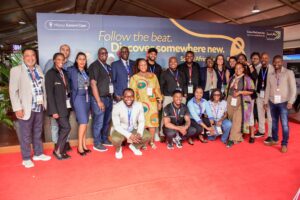

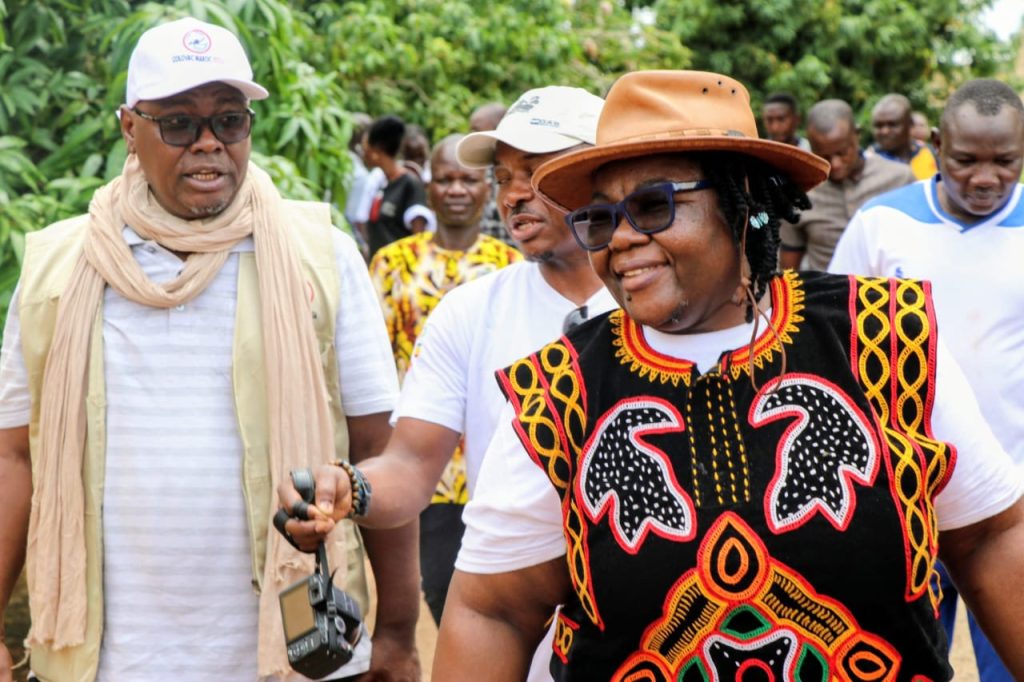
A targeted familiarization tour in Burkina Faso’s Nakambé region on 21 September 2025 placed the country’s cultural and tourism assets squarely in the sights of national and international media ahead of the 15th edition of the Ouagadougou International Tourism and Hospitality Fair (SITHO), scheduled for 25–28 September 2025. Convened to give reporters and travel professionals first-hand experience of key sites, the delegation — composed of journalists and travel agents from Burkina Faso, Mali, Cameroon and France — followed an itinerary designed to translate place, practice and plate into accurate, engaging coverage for audiences at home and abroad.
The day’s programme foregrounded accessible flagship experiences. Delegates visited the Laongo Granite Sculpture site near the capital, then proceeded to the Warba Museum in Zorgho where they observed a traditional dance performance, and concluded with a gastronomic stop at Akwaba Restaurant in Koupéla to sample local specialties. The selection of stops underscores a deliberate strategy: to offer quick, verifiable stories that illustrate visitor experience while equipping the press with sensory details—visuals, sounds and tastes—that inform reportage and travel features.
This media engagement is integral to SITHO’s broader objective of repositioning Burkina Faso in a regional and continental tourism market. Established in 2004, SITHO has matured into a strategic platform that convenes public, private, institutional and community stakeholders. The 2025 edition, themed “Tourism and Integration of the Peoples of the Sahel,” situates the fair within the pressing realities of the region — insecurity, population displacement, the impacts of climate change and economic stress — and frames tourism as a contributor to social cohesion and inclusive development.
Organisers have broadened the fair’s scope with a set of innovations intended to both modernize the visitor experience and expand market reach. Digital elements include 3D virtual tours of Burkinabè sites; the programme also introduces a “tourism tech” hackathon and a pitching competition for tourism projects to stimulate investment and product development. The SITHO Village, a gastronomic precinct, intends to amplify the fair’s commercial potential while culinary art contests, exhibitions, B2B meetings, cultural evenings and large-scale excursions will provide business, leisure and storytelling opportunities for delegates and media alike.
The 2025 roster reflects deliberate regional engagement. Mali and Niger appear as special guests, Ghana is the guest of honour country, and the Nakambé region is the guest of honour region — choices that combine diplomatic signalling with regional promotion. South Africa and Senegal are also expected to participate, along with tour operators and specialised press from a wider international circuit. A coordinated mobilisation by diplomatic channels seeks to broaden attendance and ensure the presence of buyers, investors and specialised media.
Contextual indicators point to a sector that, while challenged, is recovering and adapting. Between 2020 and 2021, tourist accommodation establishments registered a 19.3% increase in arrivals, with inbound tourism accounting for 58.8% of those arrivals and domestic tourism 12.2%. Initiatives such as the “Great Domestic Tourism Season,” launched in 2023 and reinforced by subsequent regional activations — including the third edition staged on 19 July in Tenkodogo — have helped stimulate local visitation and build domestic demand for national sites.

Burkina Faso’s cultural inventory includes four UNESCO-listed entries that provide strong storylines for international coverage: the Ruins of Loropéni; the W-Arly-Pendjari parks complex; Ancient Iron Metallurgy Sites; and the Royal Court of Tiébélé, inscribed on 26 July 2024. Security constraints have limited access to some areas, but proximate, accessible attractions around Ouagadougou — notably Laongo — continue to draw visitors and photographic coverage, making them logical focal points for early press narratives.
Practical connectivity supports inbound visitation. Major air links serve Ouagadougou and Bobo-Dioulasso, with direct services from European and African cities including Paris, Abidjan, Dakar, Algiers, Lomé and Cotonou via carriers such as Air France, Corsair, Turkish Airlines, Ethiopian Airlines, Royal Air Maroc, Air Burkina and Air Côte d’Ivoire. Additional routings remain available through hub connections in Casablanca, Istanbul and Abidjan.
Organisers have put reception structures in place to facilitate delegations: Reception, Transport and Logistics Commissions will coordinate movements and itineraries, while an Accommodation and Catering Commission has been tasked with ensuring hospitality standards and the needs of both international and domestic participants. These arrangements are intended to provide a smooth operational backbone so that meetings, B2B sessions and site visits proceed with predictable logistics and security measures.
For local stakeholders the event’s value is concrete. SITHO 2025 creates avenues for increased visibility and commercial exchange for craft producers, hospitality suppliers, event organisers and agrifood processors; the hackathon and pitching sessions are explicitly designed to surface investible tourism products and strengthen public-private collaboration. Institutional partners involved in the mobilisation include the Chamber of Commerce and Industry of Burkina Faso (CCI-BF), the Fonds de Développement du Cinéma et du Tourisme (FDCT), ECOWAS, the European Union and the Maison de l’Entreprise, among others.
As the familiarization tour demonstrates, media participation is not ancillary but central to SITHO’s ambitions. By equipping journalists with direct experience of key sites, cultural practices and local cuisine, the organisers seek to broaden narrative control, correct misperceptions, and generate the kinds of informed, practical coverage that can translate into increased visitation and partnerships. For professionals and the public alike, the fair offers both a marketplace and a moment to reassess how tourism can contribute to economic resilience and regional integration in the Sahel.
SITHO 2025 therefore arrives as a test of strategy as much as a showcase: whether the combined force of targeted media engagement, digital innovation and diplomatic outreach can convert lived experience into sustained interest and measurable business for Burkina Faso’s tourism sector.