
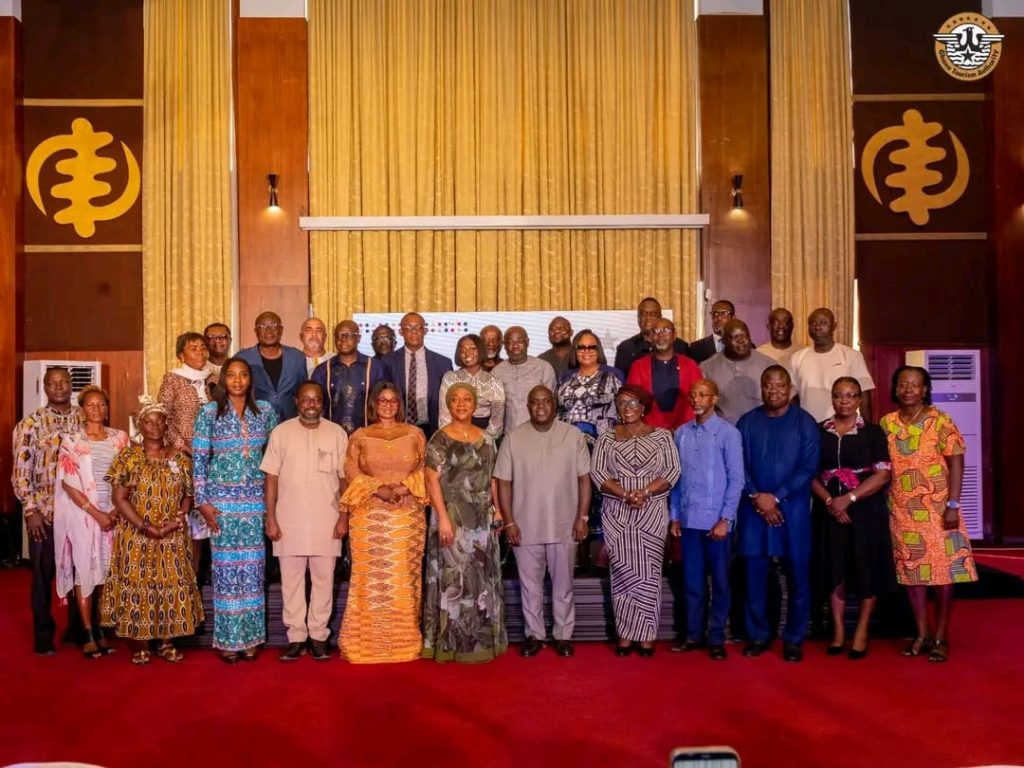
Ghana’s end-of-year cultural calendar received its formal send-off as the Ghana Tourism Authority (GTA), in partnership with the Black Star Experience and the Ministry of Tourism, Culture and Creative Arts, launched December in GH 2025 at the Banquet Hall of Jubilee House. Convened under the patronage of the Office of the President and opened by Chief of Staff Julius Debrah, the programme signals a renewed emphasis on culture-led tourism as an engine of economic activity, domestic engagement and international diplomacy.
The launch gathered senior government and creative-sector leaders, including the Senior Presidential Advisor on Government Affairs Dr Valerie Sawyerr; Minister for Tourism, Culture and Creative Arts Madam Abla Dzifa Gomashie; Black Star Experience Coordinator Rexford Owusu Marfo; Pan-African Festival Chair Prof Esi Sutherland; and GTA board members Samuel Seth Passah and Afi Amoro. Their presence affirmed the event’s national significance and the cross-sectoral approach organisers favour for the 2025 season.
December in GH 2025 will run from 1 December and deliver a programme of one hundred activities across all sixteen regions. The calendar has been curated to showcase Ghana’s cultural breadth from music and theatre to culinary arts, fashion, community service and business forums. Highlight events include a six-day Matriarch’s Verse Experience; SHE Rhythms Festival celebrating women in music; the African Food Festival and Ghana Food Festival; the Made in Ghana Fair and Ayewa Festival; a Diaspora Summit in mid-December; and an AfroFuture Festival grand finale at El Wak Sports Stadium on 28 December, followed by a New Year’s Eve party at Labadi Beach Hotel.
The GTA projects December in GH not merely as an entertainment season but as a targeted platform for cultural diplomacy, private-sector growth and diaspora engagement. At last year’s edition, organizers reported that the festival attracted over 200,000 international visitors, a metric policymakers cite when arguing for sustained investment in the creative and events economy.
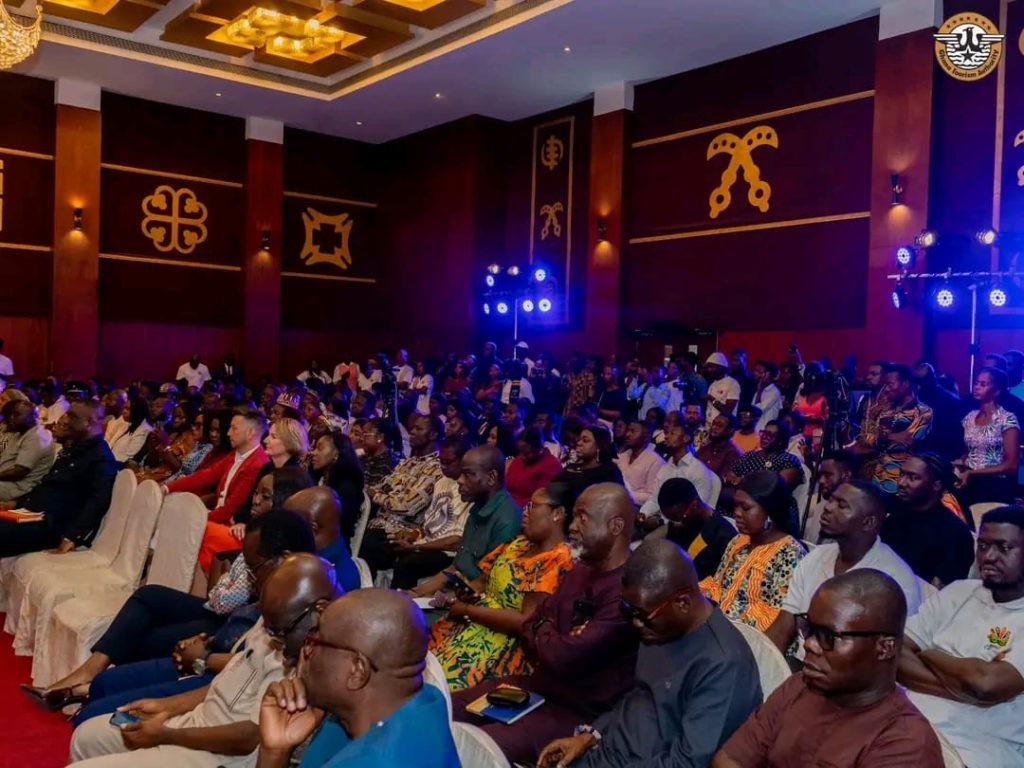
At the launch, GTA CEO Maame Efua Houadjeto framed the initiative as an economic as well as cultural imperative. She described December in GH as “a cultural movement, an economic driver and a creative footprint that continues to shape Ghana’s global identity,” and set the campaign’s priorities for 2025 as innovation, inclusivity and impact. She also stressed collaboration with the Ministry of Foreign Affairs to leverage visa facilitation and improved travel accessibility as enablers of international attendance.
Minister Abla Dzifa Gomashie reiterated the government’s policy stance, positioning the festival within a broader agenda to develop the creative economy and broaden tourism’s contribution to national growth. The Minister emphasized the role of the private sector in delivering events, training and entrepreneurial opportunities that flow directly into communities.
Chief of Staff Julius Debrah used the platform to issue a practical challenge to the sector, focusing on service standards, domestic tourism and Ghana’s reputation for hospitality. His remarks were both directive and strategic; they sought to align operational readiness with the broader ambition of attracting repeat visitation. As framed for publication, his message read:
“Service is the currency of our hospitality. I call on the Ghana Tourism Authority to intensify training and to hold service providers to high standards so every visitor experience reflects our national character. Ghana is a hospitable, peaceful nation; we must ensure that welcome is matched by consistent quality and that we cultivate domestic tourism alongside international arrivals.”
The launch signaled an operational approach. Organizers stressed the importance of private-sector partnerships, from hotels and airlines to event organizers and small businesses in turning programmed activities into measurable economic outcomes. The calendar includes the Diaspora Summit (19–20 December) at the Accra International Conference Centre and Palms Convention Centre, designed to convert cultural reconnection into trade and investment dialogue. Food, fashion and craft showcases are positioned to generate direct sales and to open export pathways for creatives and small enterprises.
Community inclusion and environmental stewardship were prominent themes. The GTA emphasized that December in GH must deliver community benefit through employment, capacity building and vendor opportunities, while local stakeholders noted the importance of waste management and crowd-safety planning as operational priorities. The programme therefore pairs headline concerts with decentralized community activations intended to spread economic gains across regions rather than concentrate them in the capital.
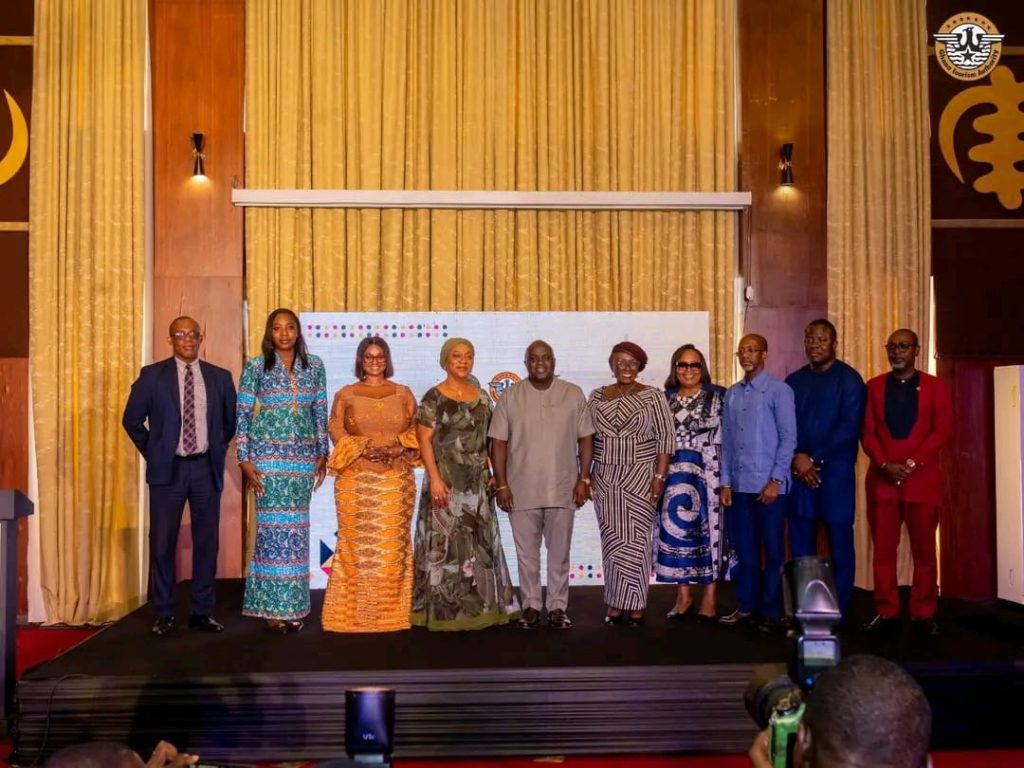
December in GH is now deeply embedded in Ghana’s tourism strategy as a flagship season for attracting diaspora visitors and experiential travelers. To sustain momentum, the government and GTA will need to demonstrate rigorous monitoring and transparent reporting on outcomes: visitor numbers, length of stay, direct and indirect spend, and measurable gains for small businesses and cultural practitioners. Complementary policy measures, improved air access, streamlined visa processes and targeted marketing in key source markets, will be necessary to match demand with capacity.
This year’s launch at Jubilee House reaffirms December in GH as more than a cultural festival; it is a national economic instrument and a diplomatic showcase. With a packed calendar, high-level political support and explicit private-sector buy-in, Ghana is positioning the 2025 season to scale benefits for communities, creatives and businesses.