

“Build it and they will come” is an often misunderstood aphorism, and this is truer than ever in African aviation.
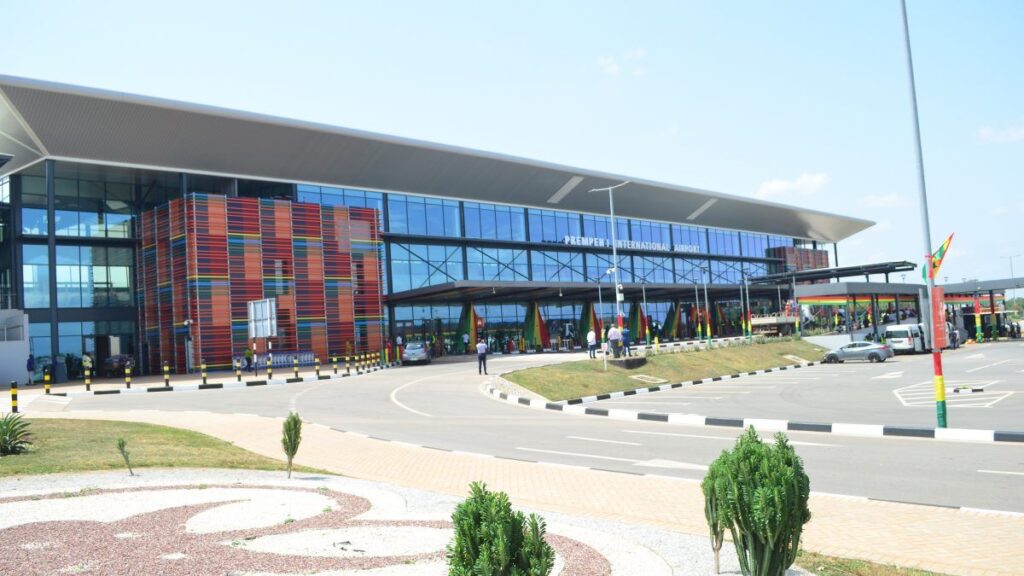
Across the continent, the urgent need to modernise aviation and tourism infrastructure is too often interpreted as a mandate to construct new temples of opulence. These gleaming terminals, frequently named after favoured political or historical leaders, are unveiled with fanfare and ribbon cuttings conveniently timed ahead of elections. Yet beneath the glass exteriors and polished marble floors, the business case is often fragile, integration with wider transport and tourism strategy is weak, and long-term maintenance plans are vague at best. Monuments to ego are confused with structural reform.
The financing model compounds the problem. New infrastructure is often funded through debt that must be serviced through elevated passenger fees and user charges. The logic is circular. Higher fees are imposed to recover costs, which increases ticket prices, which suppresses demand, which leaves the airport underutilised, which in turn necessitates even higher charges to break even. Underperforming airports then become cost recovery machines rather than engines of growth. Instead of enabling connectivity, they ration it.
What is most underappreciated is the unglamorous side of infrastructure. Air Traffic Control systems, navigation aids, reliable fuel supply chains and visa platforms that actually function rarely feature in glossy promotional videos. They make headlines only when they fail and passengers queue for hours. Nobody admires the aesthetic appeal of a new terminal when their flight is cancelled or they are trapped in a multi hour immigration line. Sustainable progress rests not on architectural statements but on invisible systems that work, quietly and consistently.
Smart capital allocation would prioritise these foundational elements before indulging in architectural vanity. Reliable air navigation services, 24-hour operational capability at major gateways, streamlined entry processing, and predictable regulatory environments create confidence for airlines and travellers alike. They also generate a multiplier effect across hotels, restaurants, ground transport and retail. Without these foundations, even the most spectacular terminal is little more than an expensive waiting room.

Africa must also confront a latent external validation syndrome. Aviation investment strategies across the continent are disproportionately designed around intercontinental widebody operations, long haul connectivity, and ambitious hub aspirations. Meanwhile, intra African connectivity remains thin, secondary cities lack dependable air links, and even major airports sometimes operate within constraints that preclude round the clock activity. The ambition to be a global hub often precedes the basic ability to be a reliable local service provider.
If the pandemic offered any durable lesson, it was the importance of home and neighbouring markets as the bedrock of resilience. Markets that could rely on domestic and regional demand recovered faster than those overly dependent on long haul international traffic. A diversified network rooted in local and regional mobility proved far more robust than one reliant on distant visitors. Yet infrastructure planning has not fully internalised this lesson.
There is also a deeper cultural dimension. An implicit hierarchy persists in how tourists are perceived. Western visitors are often viewed as premium and desirable. Chinese and Indian visitors are sometimes regarded as high spending but inconvenient. African visitors, by contrast, are frequently seen as lower prestige or less valuable. This mindset distorts strategy. Strategic infrastructure should be built around the largest and most resilient market. In Africa, that market is Africans.
In most regions of the world, domestic and regional travellers form the backbone of tourism flows. In Africa, however, intra continental travel remains hampered by archaic visa regimes, inconsistent implementation of liberalised air service agreements, and airport pricing structures that penalise short haul routes. Governments invest heavily to attract conferences and foreign visitors, yet erect bureaucratic obstacles that discourage their own neighbours from crossing their borders. This is not merely a policy inconsistency. It is a strategic miscalculation.
African countries should actively cultivate intra African tourism. The next wave of growth is unlikely to be delivered solely by additional flights from London or Dubai. It will be generated by traders, students, families and leisure travellers moving within the continent.
Success should therefore not be measured solely by the number of external visitors arriving each year. A more meaningful benchmark would be the number of Africans travelling within Africa. That is a truer indicator of integration, economic dynamism and confidence.
Strategic infrastructure is not about concrete or glass. It is about coherence, reliability and belief in your own market. Build the right systems, align them with a realistic demand base, and THEN they will come.
Sean Mendis has two decades of experience in senior management roles within the aviation sector in Africa. He is presently based in Malawi, where he offers executive level consulting and intelligence to aviation stakeholders.
This article was first published in the March 2026 Edition of VoyagesAfriq Travel Magazine