
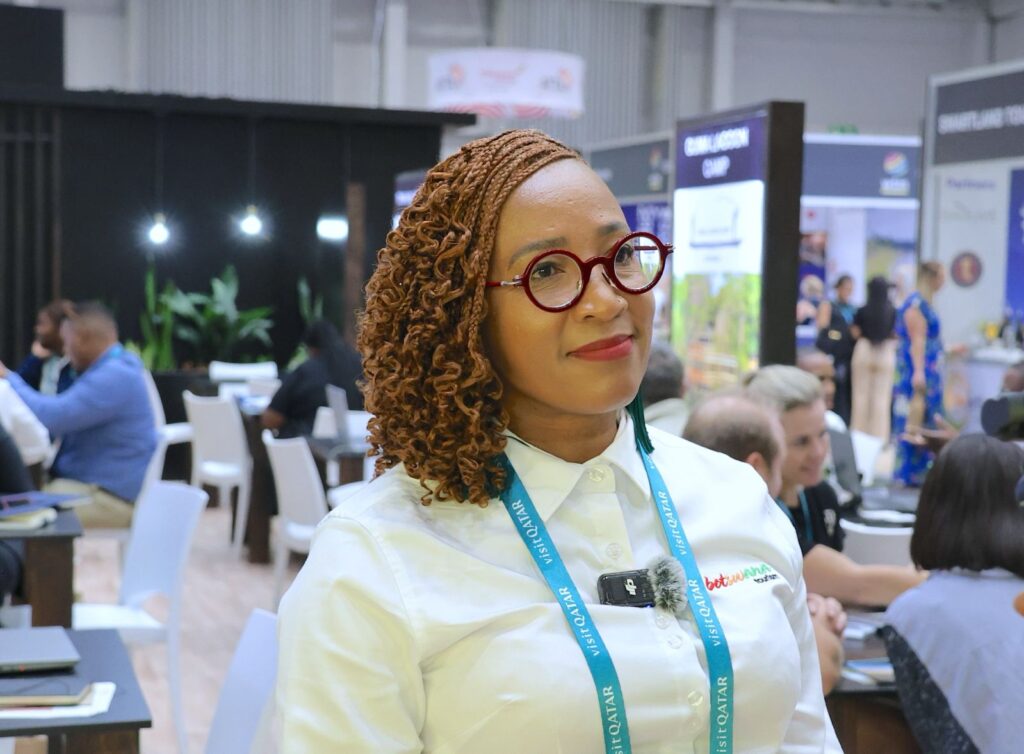
Botswana has reaffirmed its ambition to strengthen its position as one of Africa’s premier high-value tourism destinations, with a renewed focus on heritage, aviation connectivity, and emerging global markets. This was the key message delivered by Goabaone Taylor, Executive Head of Marketing at the Botswana Tourism Organization, during an interview with VoyagesAfriq at the ongoing WTM Africa in Cape Town.
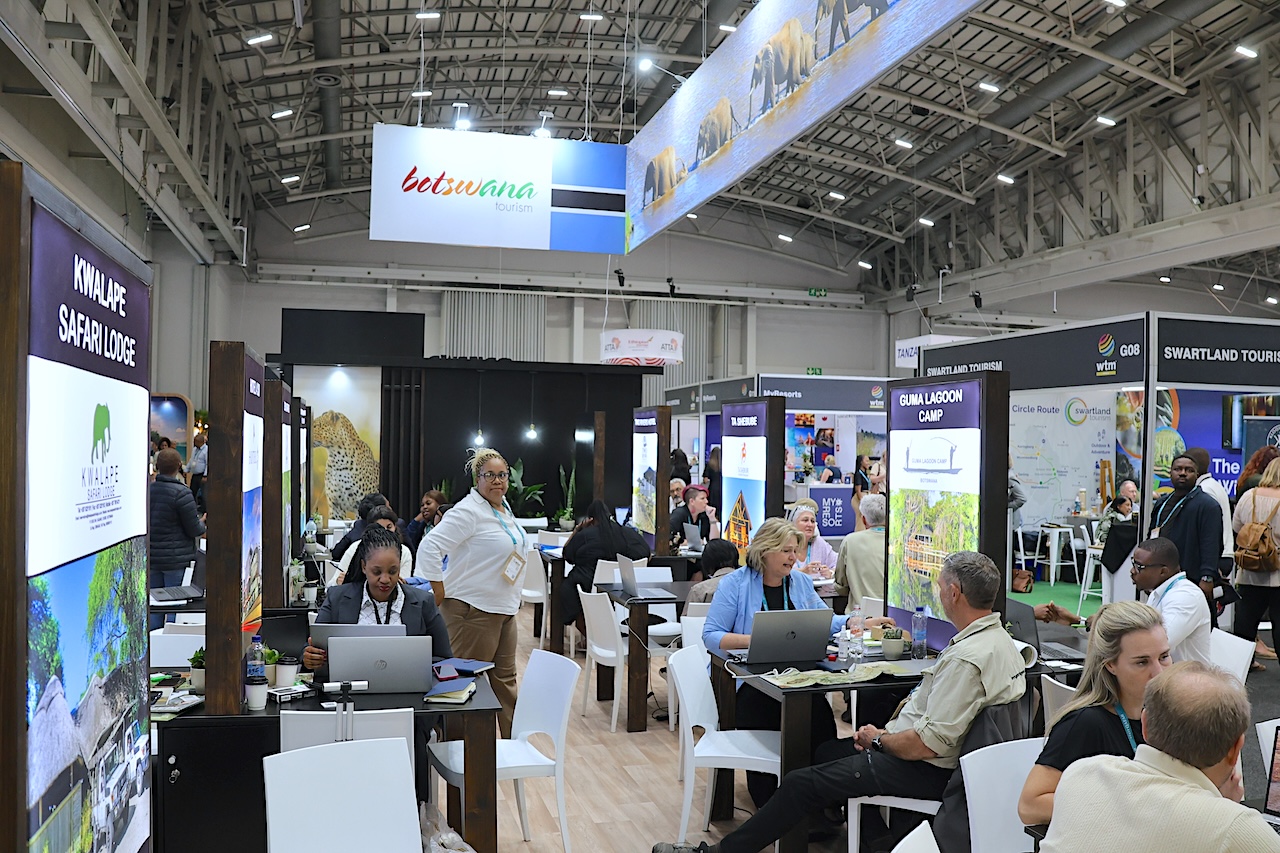
Representing Botswana at one of Africa’s leading tourism trade exhibitions, Taylor underscored the country’s commitment to showcasing its unique offerings to the global market while consolidating its reputation as a conservation-led destination.
According to Taylor, Botswana’s tourism sector is currently performing strongly, bolstered by international recognition and a well-established niche in high-value, low-impact tourism.
“We are doing quite well as a destination,” she noted, referencing recent accolades received at ITB Berlin, where Botswana was recognised as a destination of the year and honoured for its commitment to tourism conservation.
This positioning, she explained, remains central to Botswana’s strategy. The country continues to attract premium travellers seeking authentic, eco-conscious experiences, particularly in globally renowned ecosystems such as the Okavango Delta. Maintaining leadership in this segment while expanding into complementary offerings is a key priority.
Expanding beyond safari
While Botswana has long been synonymous with luxury safari experiences, the country is now intensifying efforts to diversify its tourism portfolio by integrating cultural and heritage tourism more deliberately.
Taylor revealed that government is working towards establishing a comprehensive heritage policy that will guide the development and promotion of cultural assets. This policy is expected to provide a structured framework for positioning Botswana’s arts, traditions, and community experiences as core tourism products.
Events such as the Khawa Dune Challenge and the Makgadikgadi Epic already incorporate cultural elements, but future campaigns will place greater emphasis on storytelling and authentic heritage experiences.
“We want to be more intentional in how we promote heritage tourism,” Taylor explained, noting that new product launches and campaigns are expected in the near future.
Targeting new markets while strengthening core segments
Botswana is also recalibrating its market strategy, maintaining its traditional source markets while exploring new opportunities in Asia and the Middle East. Key targets include Mainland China and the broader Greater China region, alongside Arab markets.
This approach aligns with efforts to attract both tourists and investment into the country, ensuring that tourism growth is supported by infrastructure development and strategic partnerships.
“Africa is a long-haul destination, and we must align our tourism growth with investment flows,” Taylor said.
Aviation strategy: Positioning Botswana as a regional hub
A critical pillar of Botswana’s tourism growth strategy is improving air connectivity. The country is set to host AviaDev Africa in June, a move aimed at strengthening its position as a regional aviation hub within the Southern African Development Community (SADC).
Taylor highlighted Botswana’s ambition to leverage its geographic advantage and existing airport infrastructure—particularly in the northeastern region—to become a gateway to Southern Africa.
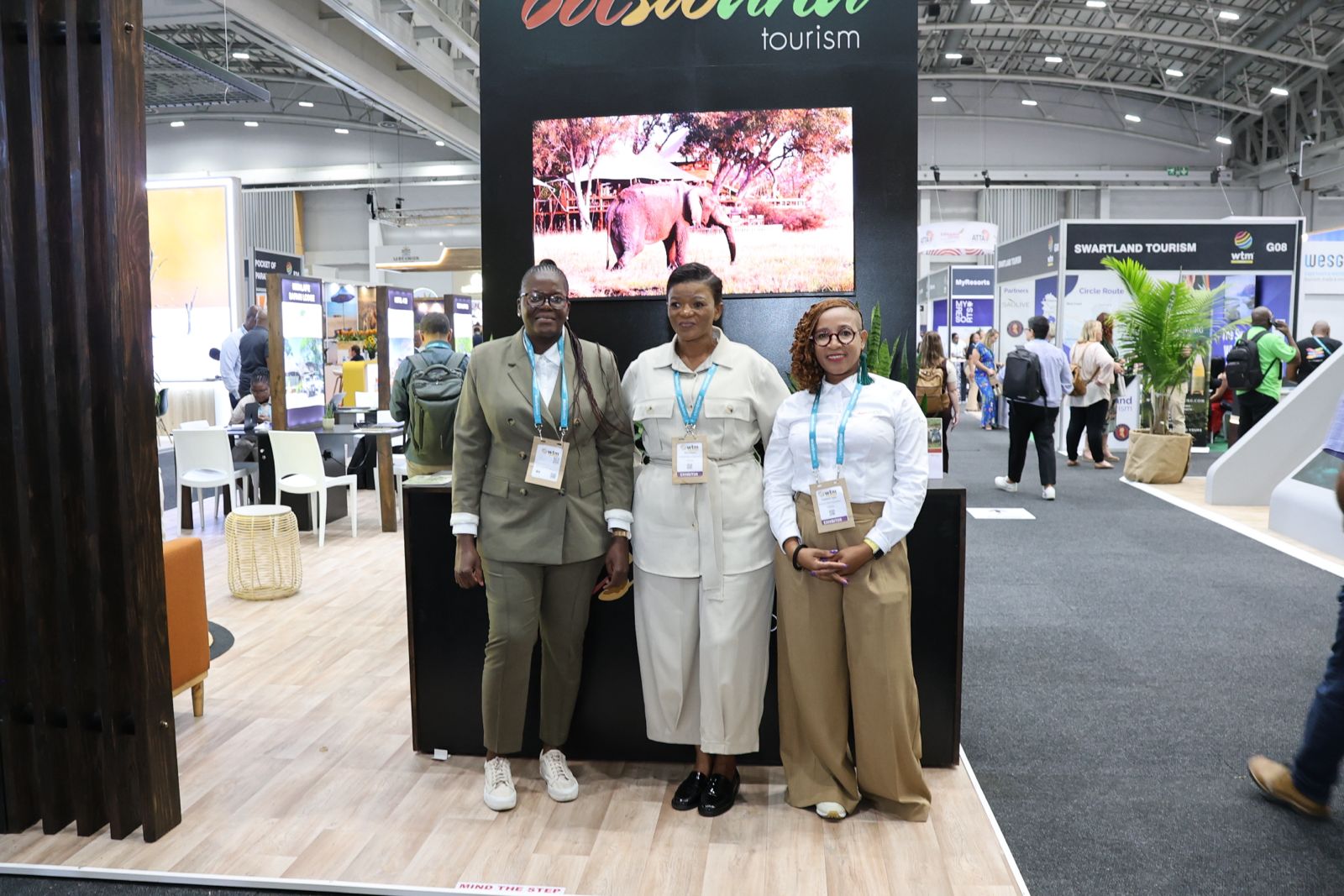
“We want to position Botswana as the gateway to SADC by working closely with regional operators, national tourism organisations, and private sector partners,” she stated.
Regional collaboration and investment opportunities
Botswana is also deepening its engagement in regional tourism initiatives, particularly within the Kavango–Zambezi Transfrontier Conservation Area (KAZA). This cross-border conservation area presents significant opportunities for joint tourism development and investment.
Taylor noted that Botswana is currently promoting multiple investment projects, including concessions in key wildlife areas, aimed at expanding tourism infrastructure while preserving ecological integrity.
On the Meetings, Incentives, Conferences and Exhibitions (MICE) front, Botswana is making steady progress. While awaiting final government endorsement of its national MICE policy, groundwork is already underway.
“We are conducting MICE mapping to assess infrastructure, facilities, and stakeholder readiness,” Taylor explained. “This ensures that once the policy is approved, implementation can proceed seamlessly.”
Vision for growth: Community impact and economic value
Having assumed her role just a month ago, Taylor outlined a clear vision: to elevate Botswana’s global tourism standing while ensuring tangible socio-economic benefits for its people.
Tourism is already a major pillar of Botswana’s economy, ranking as the second-largest contributor to GDP. Taylor emphasised the need not only to maintain this position but to increase the sector’s overall value.
Her vision includes strengthening the Botswana Tourism Organization as a premier institution and ensuring that tourism development translates into meaningful community impact.
Taylor also stressed the importance of inclusivity within the tourism ecosystem, particularly in supporting small and emerging businesses.
“We must maintain a balanced ecosystem where both established operators and new entrants can thrive,” she said, noting that the organisation actively profiles and promotes smaller players alongside established brands.
Engaging younger audiences—especially Gen Z travellers—is another priority. Recognising their digital-first mindset, Botswana is shifting towards immersive storytelling and experiential marketing.
“They don’t just want to be told to visit a destination—they want to feel like they are already there,” Taylor said. “Our strategy is to create emotional connections that inspire them to share their experiences and bring others along.”
With a clear strategy anchored in sustainability, cultural authenticity and regional integration, the Botswana is positioning itself not just as a safari destination, but as a dynamic, globally competitive tourism powerhouse.
As Taylor succinctly put it, “Botswana is already a global player—we just need to deepen our engagement, expand our reach, and continue delivering value.”