
Day two of WTM Africa has unfolded with clarity and conviction at the Cape Town International Convention Centre, building on a powerful opening day that framed not just the ambition of African tourism, but the responsibility that now comes with it.
The opening ceremony on Monday the 13th April was both celebratory and strategic – a deliberate reminder that African tourism has moved beyond recovery and into a phase that demands structure, proof and performance.
A Cultural Opening with Economic Intent
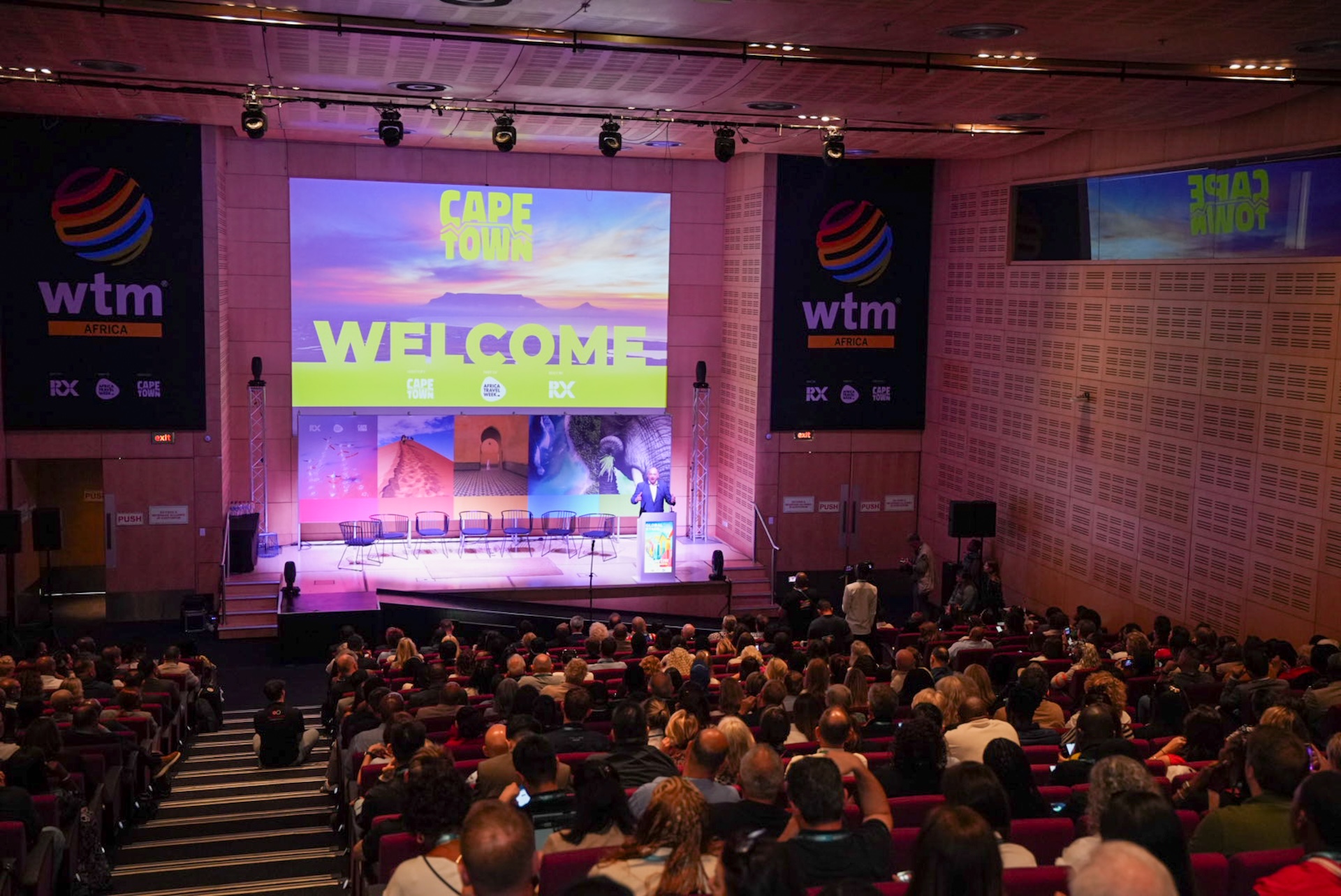
Proceedings on day one began on a high note with a stirring performance by the Isibanese Afrika Choir, grounding the event in rhythm, identity and African expression. The ceremony was seamlessly guided by master of ceremonies Ondela Mlandu, who steered the audience through a programme that blended culture, policy and purpose.
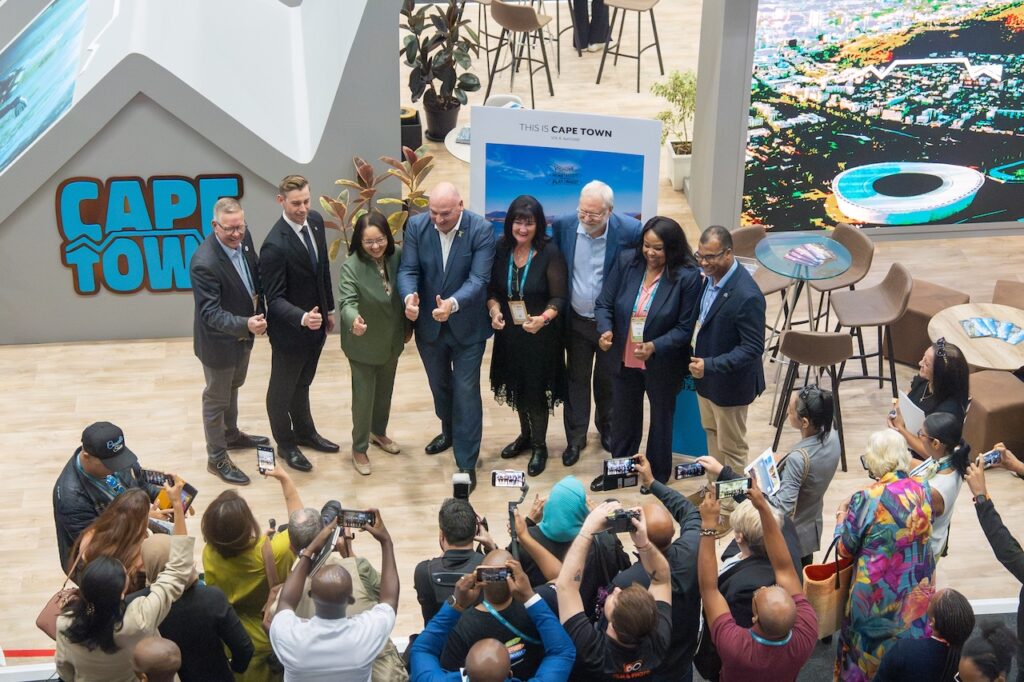
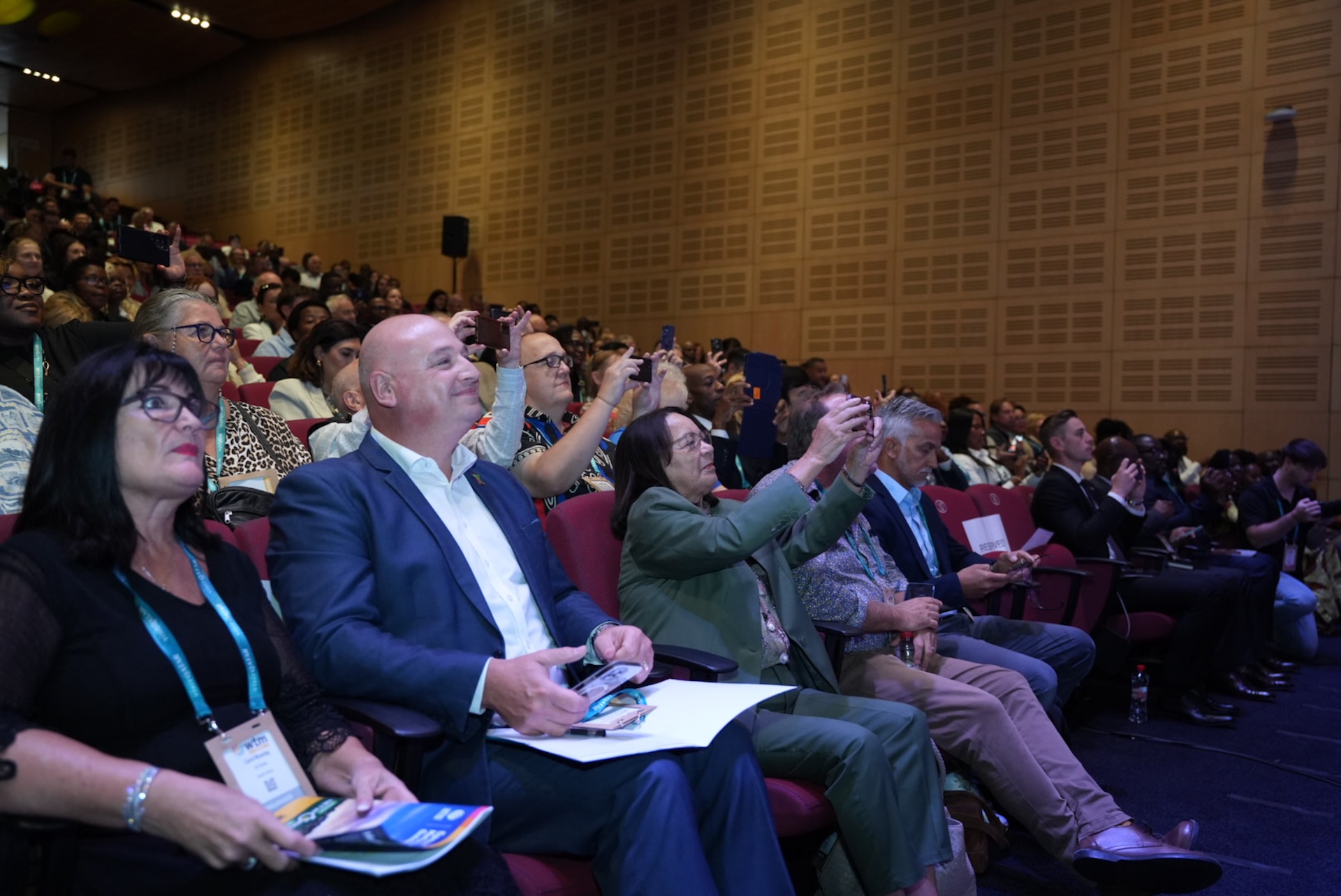
The official opening address was delivered by James Vos, Mayoral Committee Member for Economic Growth, whose keynote speech set the intellectual and economic tone for the show. This was followed by the ribbon-cutting ceremony, after which Patricia de Lille, South Africa’s Minister of Tourism, officially opened the trading floor, signalling the start of three days of deal-making, networking and industry exchange.
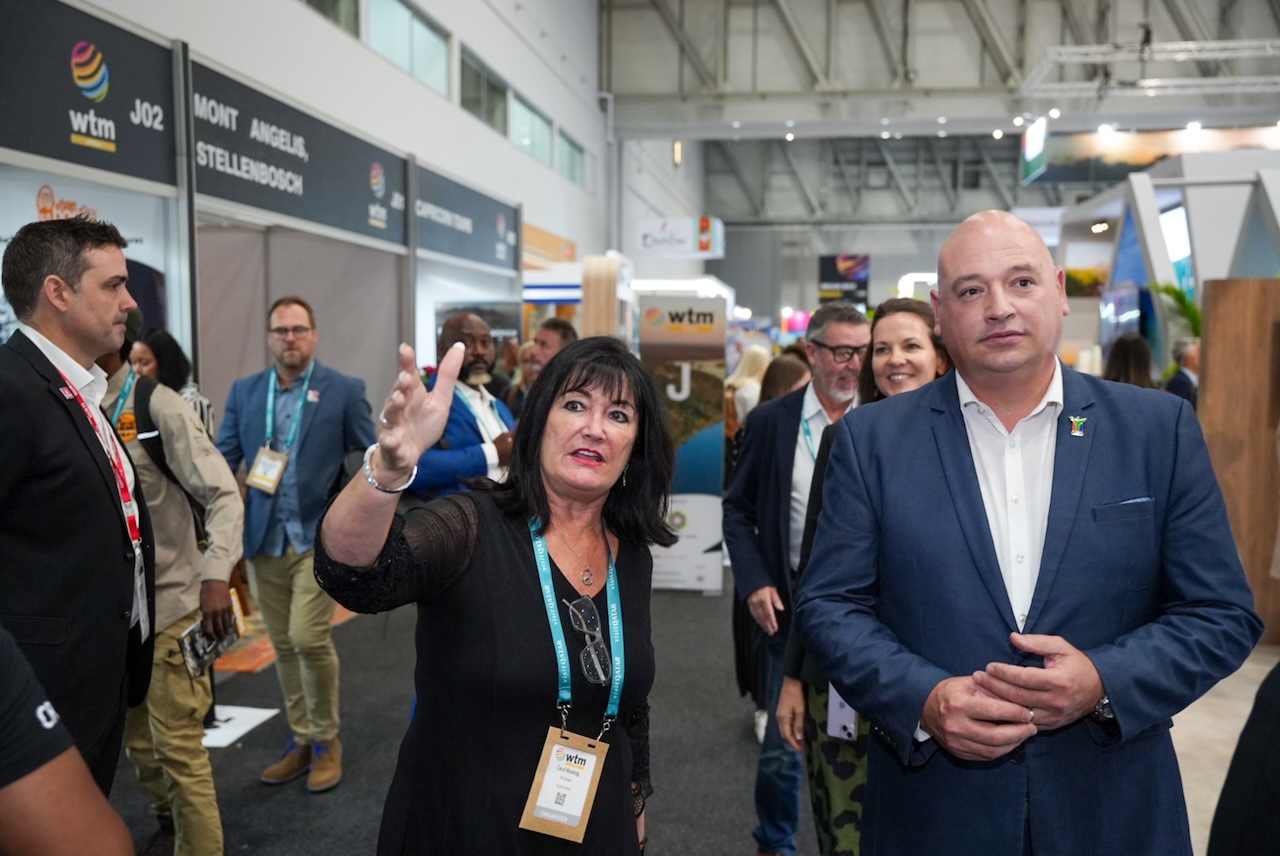
A VIP walkabout across the exhibition floor followed, underscoring government’s visible alignment with the private sector and reinforcing tourism’s position as a critical economic engine.
The Keynote: Tourism as an Economic System, Not an Event
In his keynote, Vos framed tourism not as a single industry, but as a complex and interdependent ecosystem.
He highlighted the importance of air access and market diversification, noting that opening new routes is fundamental to unlocking new markets and sustaining demand. Tourism, he emphasised, is deeply linked to infrastructure, skills development and coordinated public-private action.
Vos pointed to the sector’s growing employment impact within the host city. Tourism-supported jobs, he noted, have grown significantly in recent years, expanding from just under 90,000 roles to well over 100,000 in a short period – a near 20 percent increase that underscores tourism’s labour intensity and social value.
Marketing reach was another focal point. Vos referenced peak-season campaigns delivering hundreds of millions of global impressions across key source markets, reinforcing the city’s competitiveness and international visibility. But reach alone, he cautioned, is not enough.
What sustains tourism, he argued, is people – the workers, operators, entrepreneurs and communities who deliver the experience long after marketing ends. A resilient tourism economy depends on a healthy ecosystem, one that can absorb shocks, adapt to changing visitor expectations and evolve alongside new technologies and business models.
Hosting platforms like WTM Africa, Vos added, is not symbolic. It is strategic. These forums create space for relationships, knowledge exchange and rethinking how destinations collaborate, trade and grow together in a rapidly changing global environment.
From Selling the Dream to Proving the Product
The conversations have shifted decisively from celebration to scrutiny on Day 2.
For more than a decade, African tourism sold a dream. In 2026, the market is demanding the receipt.
The post-pandemic rebound is over. The era of “revenge travel” has passed. What remains is a more informed, discerning and data-driven traveller – one who does not simply want inspiration, but assurance.
Trust, once built on glossy brochures and aspirational imagery, is now shaped by algorithms determining visibility, visa regimes controlling access, and regulatory frameworks measuring sustainability, governance and climate impact. Tourism has become a verification economy, and many destinations and operators are still adjusting to its rules.
The Numbers – Growth with Pressure
According to insights shared from the RX Africa tourism report, Africa welcomed an estimated 81 million visitors in 2025, representing an 8 percent year-on-year increase – the fastest growth rate globally.
Aviation capacity continues to rebound strongly. In the first ten months of 2026 alone, more than 182 million departure seats were available across the continent, a double-digit increase compared to the same period last year. Several destinations have already met or exceeded pre-pandemic performance, while others are aggressively scaling towards ambitious long-term targets.
Yet, as repeatedly emphasised during different sessions, growth without governance is no longer acceptable.
Ethics, Accountability and the Responsibility Chain
One of the most talked-about sessions of Day 1 took place at the Southern Sun Cullinan Hotel, where industry leaders confronted a provocative question – Does money speak louder than ethics?
The discussion examined the responsibility chain within African tourism, unpacking who benefits from growth, who bears the cost, and how accountability must be shared across investors, governments, operators and communities. Topics ranged from labour practices and destination pressure to climate responsibility and long-term value creation.
The consensus was clear – sustainability is no longer a side conversation. It is central to competitiveness.
Day Two Momentum, Long-Term Meaning
As meetings continued across the exhibition floor and side events deepened engagement, WTM Africa 2026 revealed itself as more than a marketplace. It is a mirror reflecting where African tourism stands – and a compass pointing to where it must go next.
The ambition remains bold. The opportunity is vast. But the expectations are sharper than ever.
WTM Africa is no longer just about welcoming the world. It is about earning its confidence – repeatedly, transparently and credibly.
Cape Town has set the stage. The conversations are maturing. And African tourism is being challenged, not just to grow, but to prove that it is ready for the next era.