

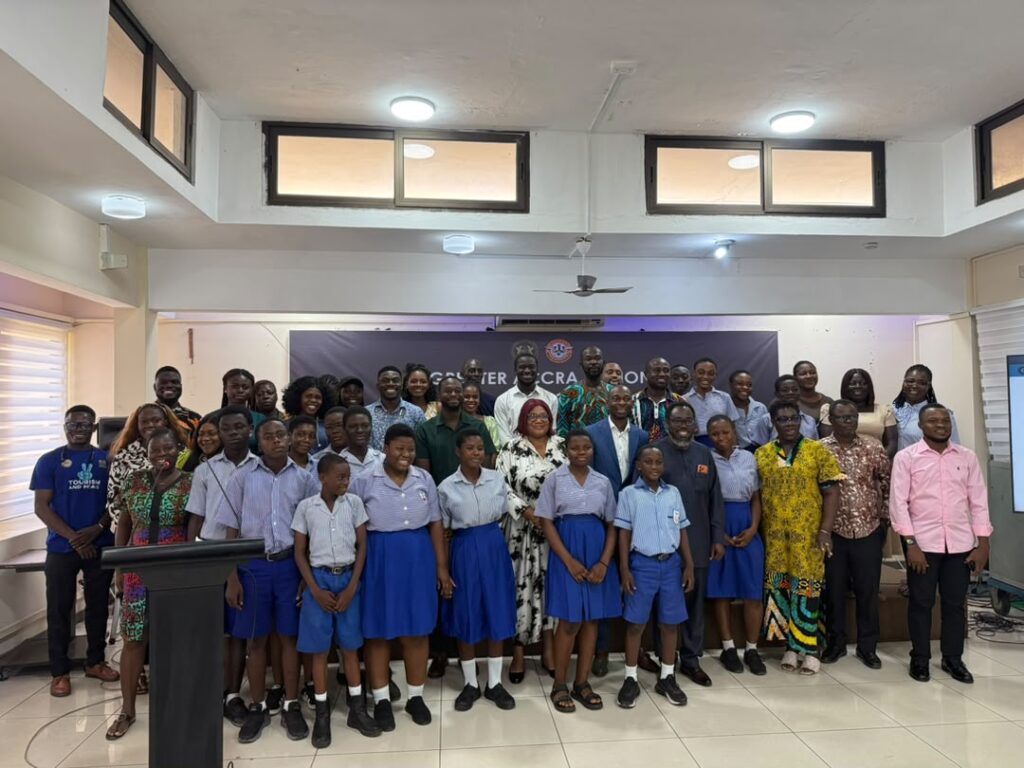
Tourism stakeholders, technology experts and students gathered at the National Museum in Accra as the Ghana Tourism Authority’s (GTA) Greater Accra Regional Office hosted a World Tourism Day summit focused on the growing role of digital technology and artificial intelligence (AI) in tourism.
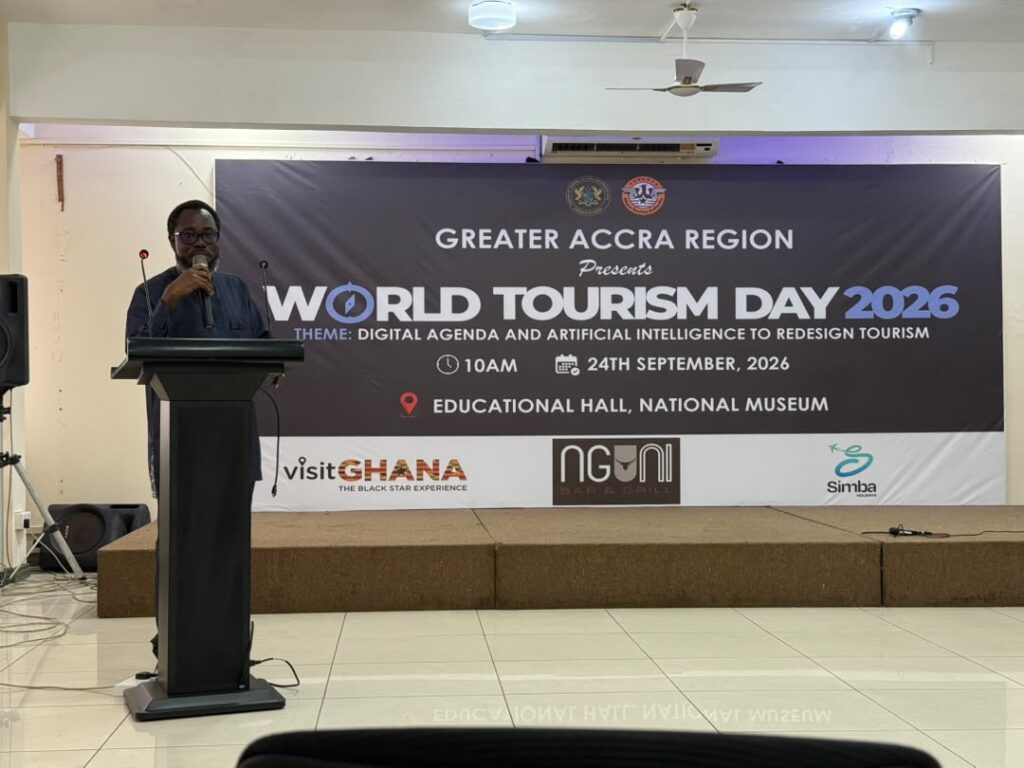
The event, held ahead of World Tourism Day on September 27, was organised under the theme “Digital Agenda and Artificial Intelligence to Redesign Tourism.”
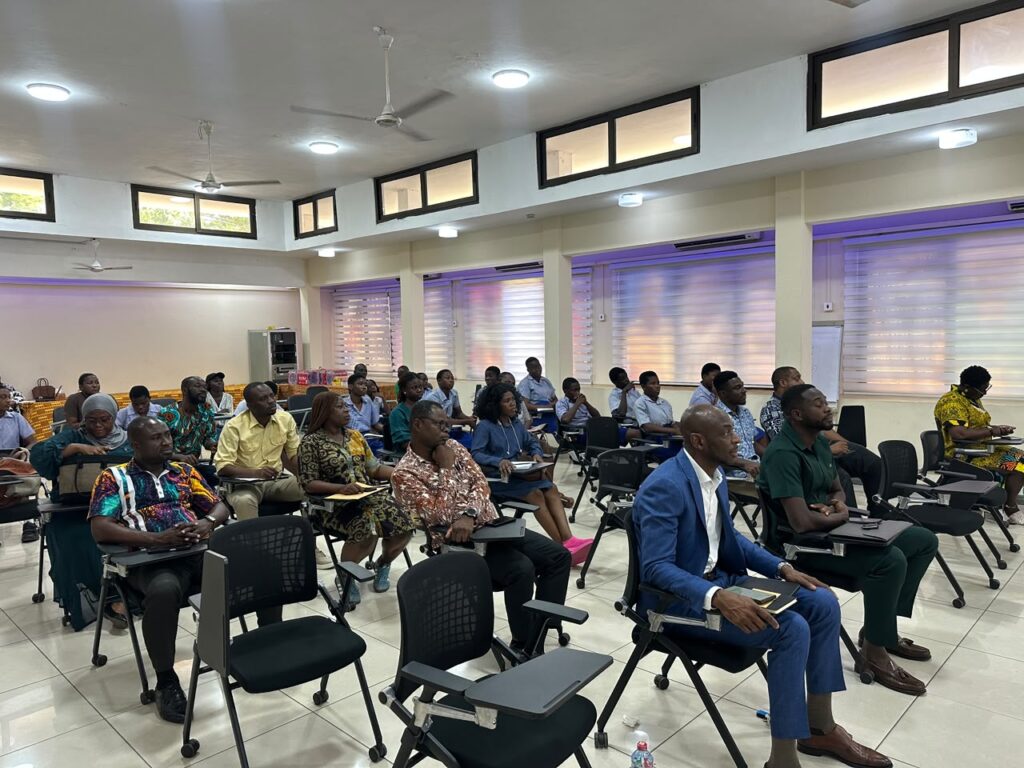
The summit brought together representatives from the tourism and hospitality industry, AI experts, students and other stakeholders to examine how emerging technologies can transform Ghana’s tourism sector.
In her welcome address, Roberta Baaba Mprah Arhinful, Regional Director of the GTA’s Greater Accra Region, said the rapid evolution of tourism technology presents Ghana with both an opportunity and a responsibility.
She noted that digital technology is increasingly influencing every stage of the visitor journey, from destination discovery and travel planning to marketing, service delivery and engagement with visitors.
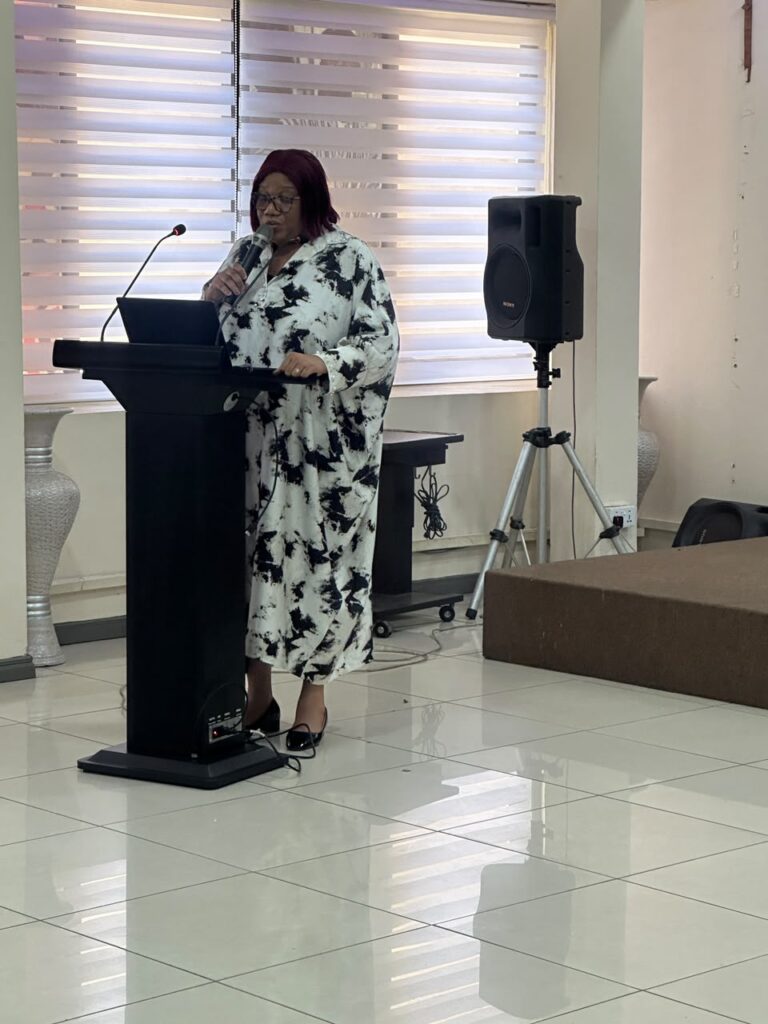
According to her, Ghana must embrace digital innovation to make its tourism sector “more competitive, sustainable and inclusive,” while using technology to improve visitor experiences, support tourism enterprises, particularly small and medium-sized businesses, and create opportunities for young people in the digital tourism economy.
Arhinful said the summit was intended to provide a platform for stakeholders to exchange ideas, explore emerging technologies and develop partnerships that could translate innovation into practical solutions for Ghana’s tourism industry.
She also reaffirmed the GTA’s commitment to working with tourism stakeholders, technology innovators, academia and development partners to ensure Ghana actively participates in shaping the digital transformation of tourism.
Speaking at the event, Prof. Kobby Mensah, CEO of the Ghana Tourism Development Company, said the question was no longer whether AI would enter the tourism sector, since it had already done so, but rather how Ghana could deliberately use the technology to redesign the visitor experience.
He pointed out that the tourism experience now begins well before a visitor arrives at a destination and continues after the visitor returns home, with digital technology increasingly influencing the entire journey.
Mensah highlighted several potential applications of AI across the tourism value chain. Before travel, AI can provide round-the-clock responses to enquiries, recommend accommodation and experiences, facilitate voice searches, offer virtual tours and develop personalised itineraries.
During booking and pre-arrival stages, he said AI can support dynamic pricing, personalised communication and faster check-in processes.
At the destination, AI-powered concierge systems could assist visitors with information and services, while smart-room technology could learn guest preferences. Predictive maintenance could also help tourism businesses identify equipment problems before they affect visitors, while translation technologies could help bridge language barriers.
Mensah further noted that AI could enable businesses to analyse guest reviews and sentiment after visitors leave, allowing them to identify areas for improvement and develop personalised campaigns to maintain relationships with former visitors.
Beyond the visitor-facing experience, he said AI could improve tourism business operations through data-driven guest profiling, customer relationship management, inventory and housekeeping management, revenue forecasting and demand planning.
However, Mensah cautioned against viewing AI primarily as a means of replacing people in an industry fundamentally built around human interaction.
He argued that technology should instead augment human capability, allowing tourism workers to spend less time on repetitive tasks and more time delivering meaningful experiences, demonstrating Ghanaian hospitality and telling the country’s stories.
The discussion also highlighted the importance of responsible AI adoption, including issues surrounding privacy, data protection, cybersecurity, digital inclusion, human skills and ethical use of AI.
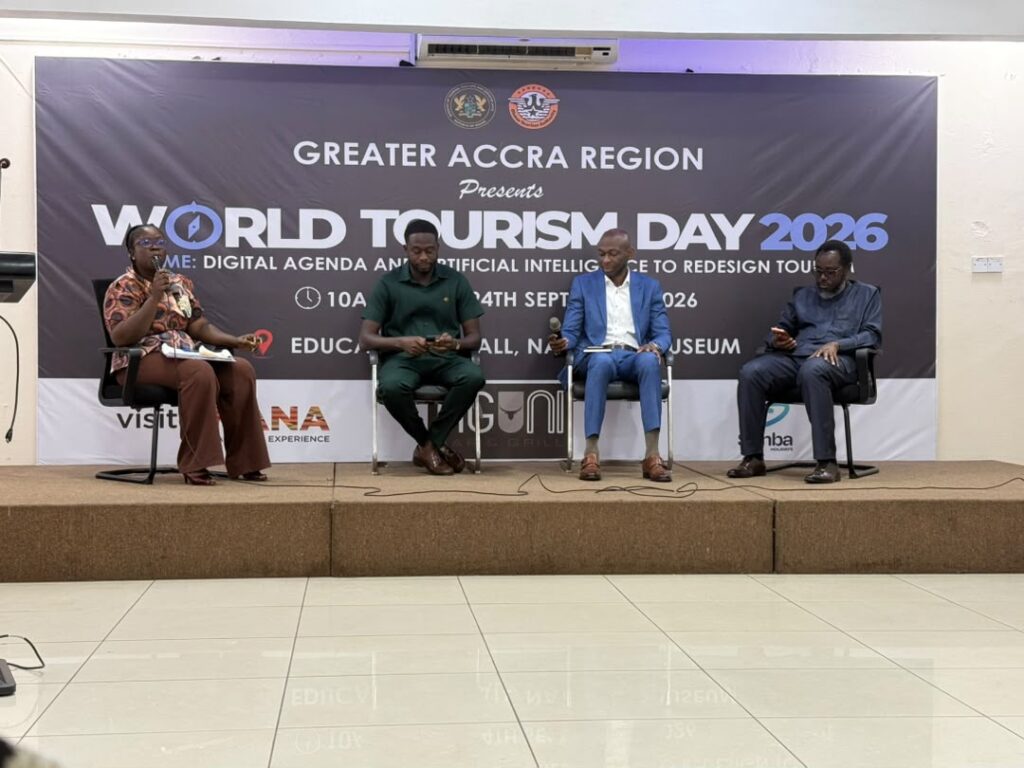
A panel discussion brought together Prof. Mensah, Felix Donkor, Convenor of the Pan African AI Summit and Eugene Allotey, CEO of Creative Bibini.
The panel examined AI adoption in Ghana, the need for a comprehensive national AI policy, responsible and ethical use of the technology, and practical ways the tourism and hospitality industry can deploy AI to improve efficiency and enhance visitor experiences.
The speakers also underscored the importance of ensuring that Ghana’s adoption of AI strengthens rather than diminishes the country’s distinctive tourism identity.
Prof. Mensah said Ghana’s heritage, festivals, cuisine, music, landscapes, people and history provide a rich foundation for using technology to reach and engage global audiences.
The challenge, he suggested, is to use AI to find better ways of presenting, connecting, preserving and commercialising these assets while retaining their distinctly Ghanaian character.
The global celebration of World Tourism Day 2026 by UN Tourism will take place in El Salvador while Ghana hosts its national event in Koforidua, in the country’s eastern region.