
The International Labour Organization (ILO), in collaboration with Ghana’s Commission for Technical and Vocational Education and Training (CTVET) and social partners, has begun developing a sustainability roadmap to ensure the gains of the Global Skills Programme (GSP) are integrated into the country’s long-term skills development system.
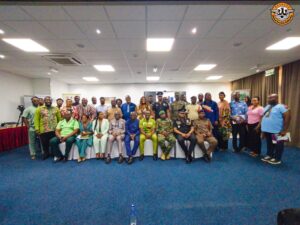
The initiative was the focus of a one-day stakeholder session held in Accra, which brought together government representatives, industry leaders, employers’ associations, trade unions, civil society organisations, skills practitioners and development partners.
The meeting reviewed the achievements of the GSP and explored strategies to sustain its interventions beyond December 31, 2026, when the programme’s current phase is scheduled to end.
In his welcome address, CTVET Director-General, Mr. Zakaria Sulemana, reaffirmed the Commission’s commitment to institutionalising the programme’s achievements in line with Ghana’s National TVET Policy 2024–2028 and the TVET Strategic Plan.
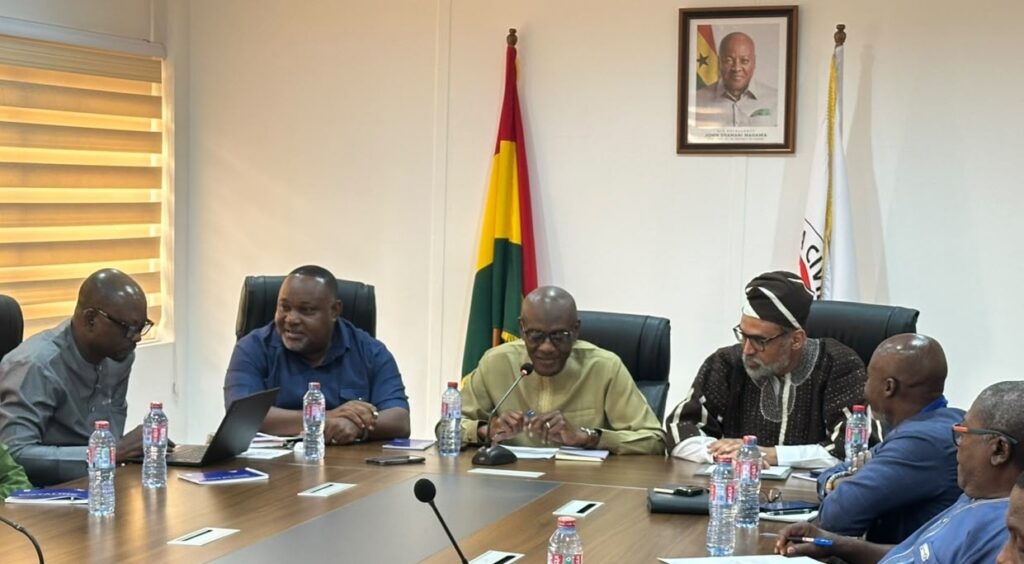
He identified seven priority areas requiring continued partnership and technical support: sustainable financing and legal formalisation of Sector Skills Bodies (SSBs), expansion of quality apprenticeships, improved labour market information, instructor and trainer development, digital and green skills, inclusion and equity, and stronger quality assurance and private sector engagement.
Chairperson of the Construction Sector Skills Body, Mr. Samuel Amegayibor, emphasised that sustainability would depend on ownership, partnership, financing and relevance.
He urged stakeholders to view the meeting not as the end of a project but as a transition from external project support to national ownership, stressing the collective responsibility to build on the foundation already established.
Delivering opening remarks on behalf of Dr. Vanessa Phala, ILO Country Director for Ghana, Liberia, Nigeria and Sierra Leone and Liaison for ECOWAS, ILO Skills Specialist Mr. Karim Tuomi underscored the importance of strong institutional commitment to sustaining the Sector Skills Bodies and advancing quality apprenticeships.
He noted that practical arrangements would be necessary to ensure these institutions remain operational and effective over the long term.
National Project Coordinator of the ILO Global Skills Programme, Mr. Frank Kwasi Adetor, also presented an overview of the programme’s achievements, lessons and good practices, highlighting progress in governance, apprenticeships, social dialogue and industry partnerships.
Three panel discussions provided further direction for the proposed roadmap.
The first, which focused on sustainable financing and the future of Sector Skills Bodies, highlighted the need for reliable funding, stronger legal and policy frameworks, and improved institutional capacity to enable the bodies to fulfil their mandates.
The second discussion examined quality apprenticeships as a pathway to employment. Participants called for stronger partnerships between industry and training institutions, sustainable financing and increased employer participation to make apprenticeships a viable route to decent employment.
The third panel, involving representatives of employers, workers and civil society, reinforced the importance of a strong tripartite approach to ensure skills development policies reflect the needs of Ghana’s productive sectors.
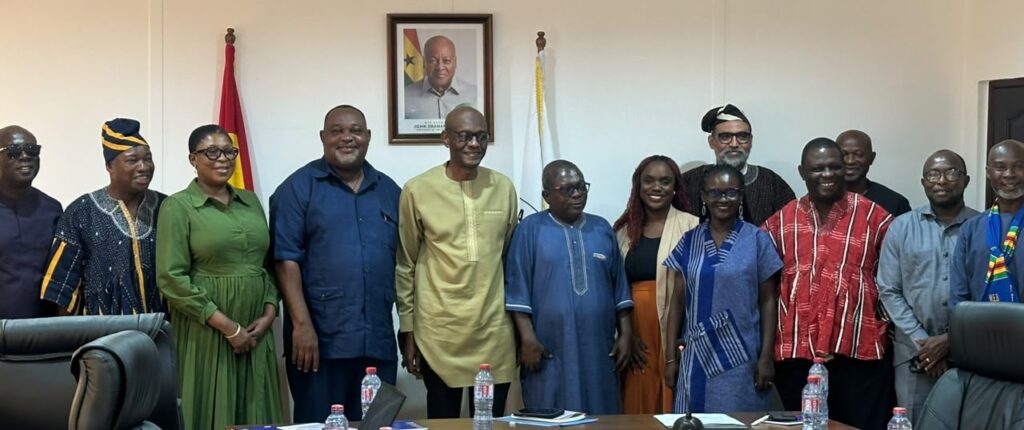
The discussions brought together representatives from CTVET, the Construction, Tourism and Hospitality, and Automobile Sector Skills Bodies, the Ghana Employers’ Association, the Ghana Trades Union Congress and the Africa Tourism Research Network.
Participants subsequently consolidated their proposals into a practical Sustainability Roadmap covering governance, financing, institutional capacity, partnerships, monitoring and accountability. The roadmap also captures priorities identified by stakeholders for future skills development interventions in Ghana.
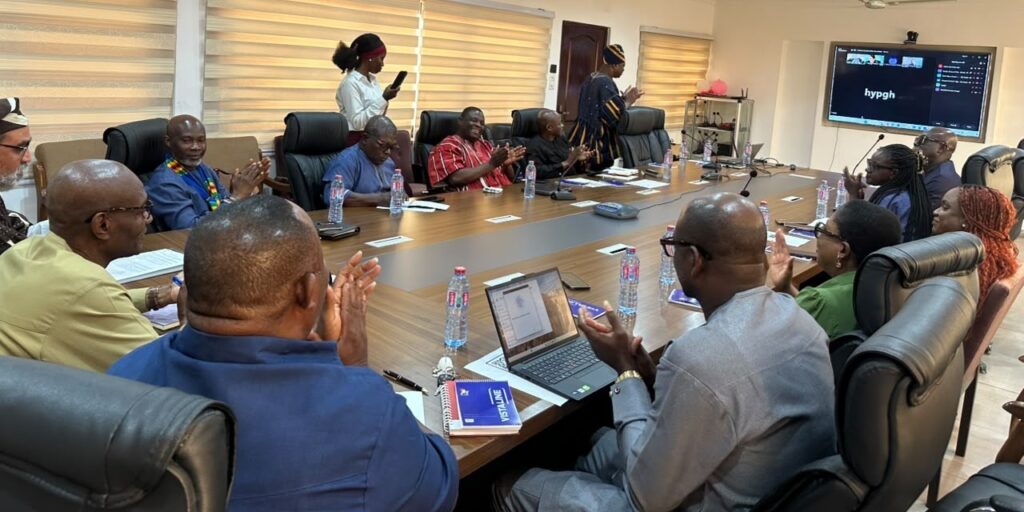
They agreed that sustaining a demand-driven skills development system would require consistent financing, effective policy implementation, stronger industry ownership and clear accountability mechanisms.
Funded by the Norwegian Government through the Norwegian Agency for Development Cooperation (NORAD), the Global Skills Programme has supported Ghana since 2018, initially under the SKILL UP Project.
The programme has contributed to strengthening skills development governance, expanding Sector Skills Bodies from three to 16 sectors, promoting quality apprenticeships, and improving skills anticipation and labour market intelligence.
The latest initiative is expected to help translate these achievements into lasting institutional structures, strengthening the link between skills training, industry demands and employment opportunities as Ghana advances its human capital development agenda.