

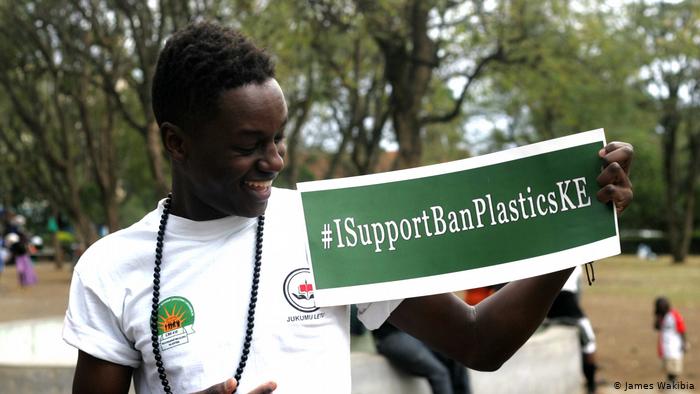
Results indicate an 80 per cent success rate and reduced polythene bags along Kenya’s coastline, parks and drainage.
The single use plastics ban that will be in effect in all Kenya’s protected areas including its beaches, national parks, conservation areas, and forests will take effect on June 5.
According to a newly launched trend report by Sustainable Inclusive Business (SIB-Kenya), the ban is a logical next step in reducing the amount of unsustainably disposed plastics; after the 2017 ban on throw away carrier bags.
Results indicate an 80 per cent success rate and reduced polythene bags along Kenya’s coastline, parks and drainages.
“This comes at a time when we see an increase in single-use plastic products, and the ban will go a long way in encouraging the adoption of the refuse, rethink, remanufacture, recycle, and recover model of production,” noted Sustainable Inclusive Business Director Karin Boomsma
“Plastic production is expected to double over the next 20 years, most of which will be single use packaging material.”
The report provides more insights into the implications of the Kenyan single-use plastic ban on the economy, planet and people, and how businesses both small and established can prepare for alternatives.
The ban on single use plastics places Kenya among the first movers in a trend towards a cleaner and healthier environment globally. Other African countries in the frontline of eliminating the use of single-use plastics with combined total bans and levy on retailers include Rwanda and South Africa.
With Kenya being one of the fastest-growing economies in Sub-Saharan Africa, the landfill menace is expected to expand faster, posing both environmental and health risks to the country and its people. If well implemented, the ban on single-use plastics will profit public health, tourism and agriculture, among others. This is by ensuring a cleaner environment with less plastic pollution, a factor beneficial not only to human health, but also to biodiversity and will make Kenya’s tourism destinations more appealing for both domestic and foreign travelers.
The report highlights three megatrends preceding the single use plastic ban. These include the need to shift towards the circular economy, the need for businesses to adopt a more holistic approach in their relationship with nature and the need to deal with externalities such as plastic waste pollution, emissions or the depletion of resources.
“Innovation will help us replace plastic with more sustainable materials, which requires new production and sourcing systems as well as new business models. Therefore, public-private partnerships will go a long way to ensuring businesses have access to sustainable alternatives to the banned items, which will also provide huge opportunities for the private sector to create new jobs,” added Boomsma.
Besides the trend report, SIB-Kenya has set up an online crash course available to the public, aimed at helping readers understand the plastic ban concept, policy overview, best practices from frontrunners as well as ways to deal with the ban in Kenya.
A recent expression of interest for suppliers of alternatives to the single-use plastics sent out by the organization, further aims to create a linkage with players in the hospitality, travel, tourism, and MICE industries. The ban includes cutlery, straws, balloons, PET-bottles, cigarette butts, sweet wrappers, and other products containing polymers that are harmful to the environment when not properly disposed.
Story by FREDRICK OBURA- Standard-Kenya