
Africa is 30.2m sqkm in size and home to 16.7% of the world’s population. Sub-Saharan Africa is the youngest region in the world with a median age of 19.5 compared to 38 in the US, 43 in the EU and 47 in Japan.
Against the aspirations of the African Union’s Agenda 2063 (a plan for transformation of the continent by 2063), Africa’s tourism competitiveness is increasing as destinations scale up their development agendas specifically into the business events sector. The importance of the business events sector, with its unmatched value chain and deep social impacts, has become even more evident during Covid-19.
Africa has been under-performing in world business events arrivals, recording only 3% of international association meetings in 2019, and 6% of international organisation and association meetings according to international associations ICCA and UIA respectively. This is supported by the Events Industry Council that records only 5.3% of global business events participants and 2.2% of global direct spend in Africa.
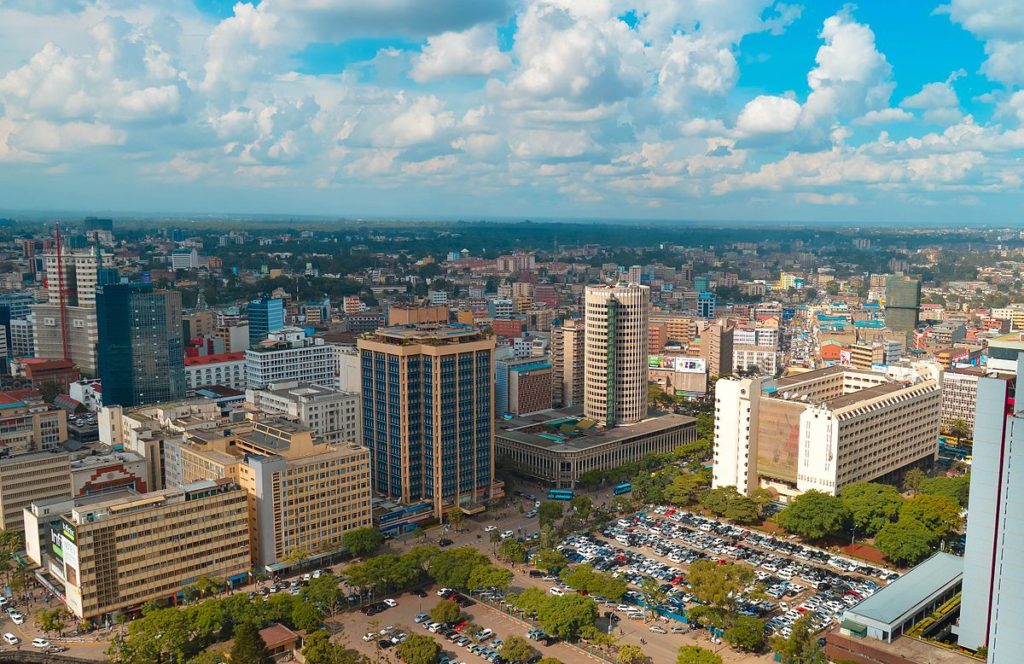
In recent years, liberalising air transport and further relaxation of visa rules, easier currency convertibility, Afro-optimism and business events infrastructure development outside of South Africa has been mushrooming throughout the continent. World-class convention centres and global branded hotels with meeting capabilities are fast appearing on skylines in Kampala, Nairobi, Kigali, Addis Ababa and beyond. Africa’s middle class is expanding rapidly which is drawing interest from global trade and professional associations and manufacturers of consumer goods where a strong market economy is a key demand driver for business events and exhibitions.
East Africa is the rising star and the continent’s next market-ready region for business events. National convention bureaus have been established in Rwanda, Kenya, Ethiopia and Uganda, building awareness of the MICE industry as an important contributor to national economies.
As is the case the world over, Covid-19 has unquestionably been a catalyst for change. This is an important time for our industry: a time to redefine our relationships, consider future markets and explore new opportunities to deliver business value.
The events industry in Africa has resumed operations with countries such as South Africa, Kenya, and Rwanda publishing comprehensive Event Re-Opening Guidelines and Covid-19 safety checklists, as well as adopting the WTTC Global Safety Stamp that recognises safe travel protocols, alongside Uganda, Tanzania, Ghana, Namibia and Zambia. In most countries borders are open to international delegates, and live events are limited to 50% of room capacities. Live-streaming technology has been embraced, and industry experts remain confident that virtual and hybrid events provide opportunities for new revenues, while the value of live, face-to-face events is appreciated more than ever.
We are globally inter-connected, and depend on each other, not just for trade, but for knowledge and information sharing. The economic, social and environmental legacy benefits that business events can bring to Africa must be extended to include enhancing skills development in Africa’s bright young graduates.
Global meeting and incentive buyers must be encouraged through harder working messaging to step outside their comfort zones and explore a continent brimming with iconic abundance (the Nile, Victoria Falls, Maasai Mara, Great Rift Valley) and the new experiences awaiting their delegates in Africa. Might the Covid-19 pandemic experience encourage greater international cooperation and openness, out of self-interest? This would impact positively on Africa’s business events sector.
Rick Taylor is a former board member of a number of African and international tourism associations (for example Destination Marketing Association International USA; South African Minister of Tourism and Environment’s Strategic Management Team; chair marketing – Western Cape Tourism Board; Tourism Business Council of South Africa; chair – South African Meetings Industry Federation; chair – South African Federation of Convention Cities). He served as CEO of Cape Metropolitan Tourism for seven years where he established the first convention bureau in Africa and later headed the National Convention Bureau for South African Tourism. He has also been CEO of The Business Tourism Company since 2005.