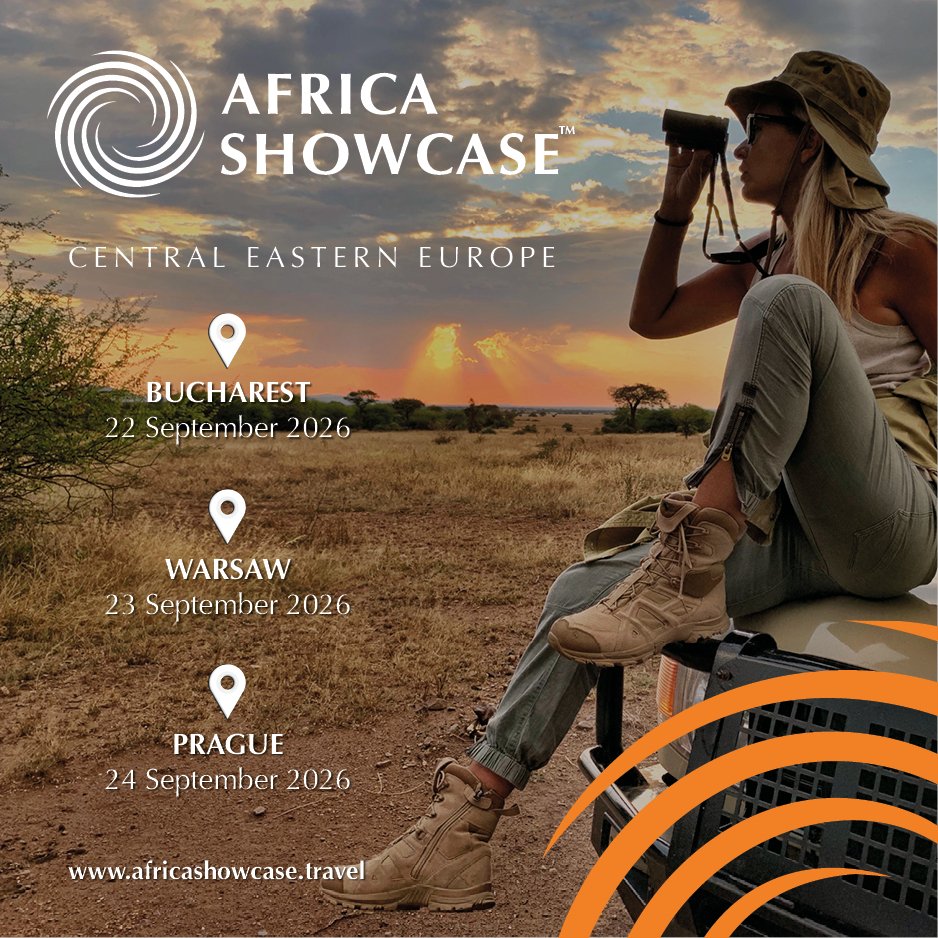

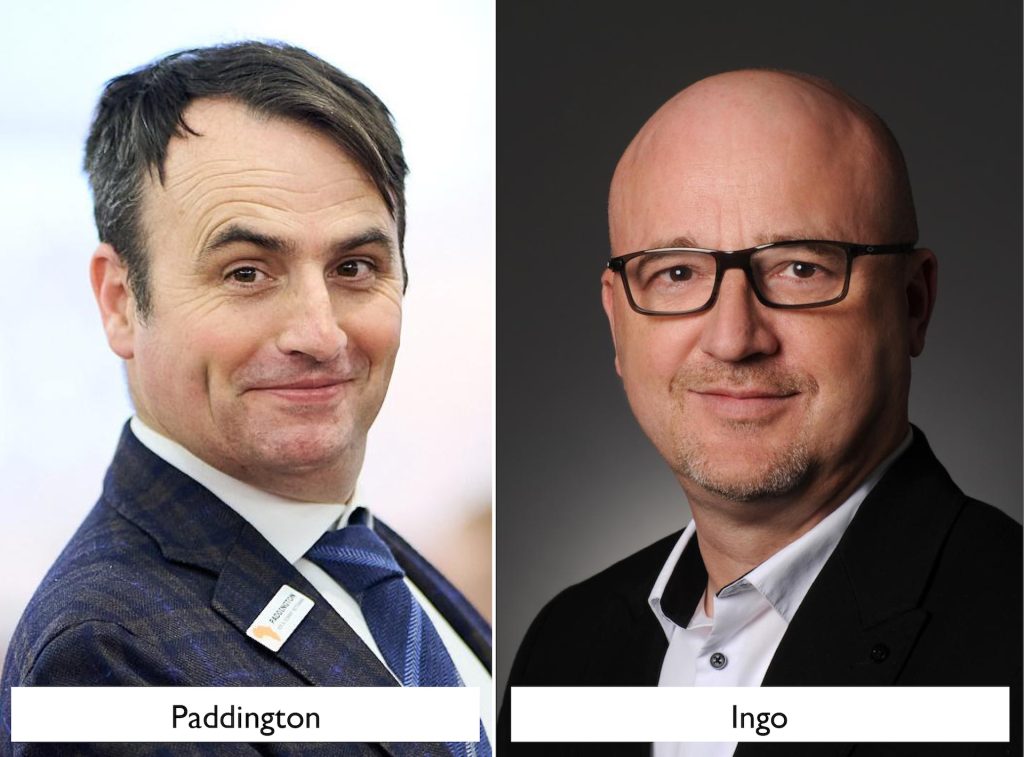
With just days to the staging of Africa Showcase Mitteleuropa 2025 from 16–18 September, event partners Paddington Tucker and Ingo Jacob have underscored the growing importance of the German-speaking market as a reliable source of travellers to Africa.
Speaking to VoyagesAfriq ahead of the show, the two executives outlined why Germany, Austria, and Switzerland – collectively known as the DACH region – represent some of the most resilient and high-value outbound tourism markets in the world.
“Despite global crises and economic challenges, Germans are still keen to go on vacation. They want to travel, and they are travelling. The travel industry remains firmly on a growth trajectory,” said Ingo Jacob, Managing Director of Travel Consultants International.
He noted that 2024 was the best year for the German travel industry on record, with outbound spending exceeding pre-pandemic levels. “Travel agencies and tour operators have benefited tremendously from the strong demand for package holidays, with Germans particularly drawn to the Mediterranean and long-haul destinations. Cruises have also become top sellers,” Jacob added.
According to industry data, 76.4% of German tourists travelled abroad in 2024, with 6.9% opting for long-haul journeys of over six hours. Africa registered a 7% growth rate in arrivals from Germany compared to 2023, making it one of the fastest-growing destinations, second only to the Middle East.
The continent’s appeal is reflected in the numbers: 245,000 German visitors to South Africa, 100,000 to Namibia, 103,000 to Tanzania, and 88,000 to Kenya last year. Smaller destinations are also gaining traction, with 40,800 arrivals in Botswana and 25,500 in Zimbabwe.
“Germans, Austrians and Swiss travellers are incredibly valuable to Africa,” explained Paddington Tucker, Partner of Africa Showcase. “They have among the highest-paid holidays in the world – five to six weeks per year – and their spending power is unmatched. In 2023, Germans alone spent nearly €80 billion on international travel, with an average long-haul stay lasting 13 days. More than 10% spend upwards of €3,000 per person on their holidays.”
What attracts DACH travellers to Africa
The partners emphasised that Africa’s strongest selling points for the German-speaking market are wildlife safaris, iconic landscapes, year-round sunshine and cultural immersion.
“From the Big Five and breathtaking scenery like Kilimanjaro or Victoria Falls, to soft adventure activities such as trekking and diving, Africa offers experiences that resonate deeply with this market,” said Jacob. “Self-drive and fly-drive holidays, especially in Namibia and South Africa, are also hugely popular among Germans, while Austrians lean towards adventure and Swiss travellers tend to favour premium and eco-conscious products.”
The importance of sustainability and ethics cannot be overstated. “Travellers from this region expect fair community benefit-sharing, eco-lodges and wildlife encounters that are respectful and responsible. Transparency and authenticity are key – this audience demands clear, factual communication and dislikes gimmicks,” Tucker stressed.
Strategies that work
When asked about effective strategies for reaching the market, Jacob was emphatic: “Authenticity comes first. Educational storytelling about wildlife, culture and conservation works best. Communication must be professional, precise and in native-level German. The Swiss and Austrians are happy to pay for premium products, but they expect complete transparency with no hidden costs.”
He added that timing is equally critical: “The DACH markets are highly seasonal. July to September is safari peak, while December to February is when travellers seek Africa for winter sun. Providers who adapt their offerings to these periods see the strongest results.”
Africa Showcase as the bridge
Both partners highlighted the pivotal role of Africa Showcase Mitteleuropa in connecting African suppliers with the German-speaking trade.
“The Africa Showcase is the leading dedicated B2B roadshow for Africa tourism in the DACH region,” said Tucker. “It gives African suppliers direct access to high-profile buyers, tour operators, and agencies. What makes it unique is the depth of engagement – it’s not just sales pitches, but meaningful destination dialogues, market insights, and relationship-building.”
Jacob added: “The hosted buyer programme ensures that exhibitors meet serious, pre-qualified trade professionals. The outcomes are tangible: new partnerships, increased bookings, and stronger presence in the market. In short, the Showcase acts as a bridge – offering access, credibility, and results.”
The 2025 edition will feature events in Zurich and Munich, with expansion into the Benelux countries in 2026, alongside additional German cities such as Cologne and Hamburg.
As Tucker emphasised: “If Africa wants to sustain and grow its market share, the DACH region must be at the centre of its tourism strategy. The appetite is there, the spending power is there, and the Showcase is the platform that makes the connection possible.”