
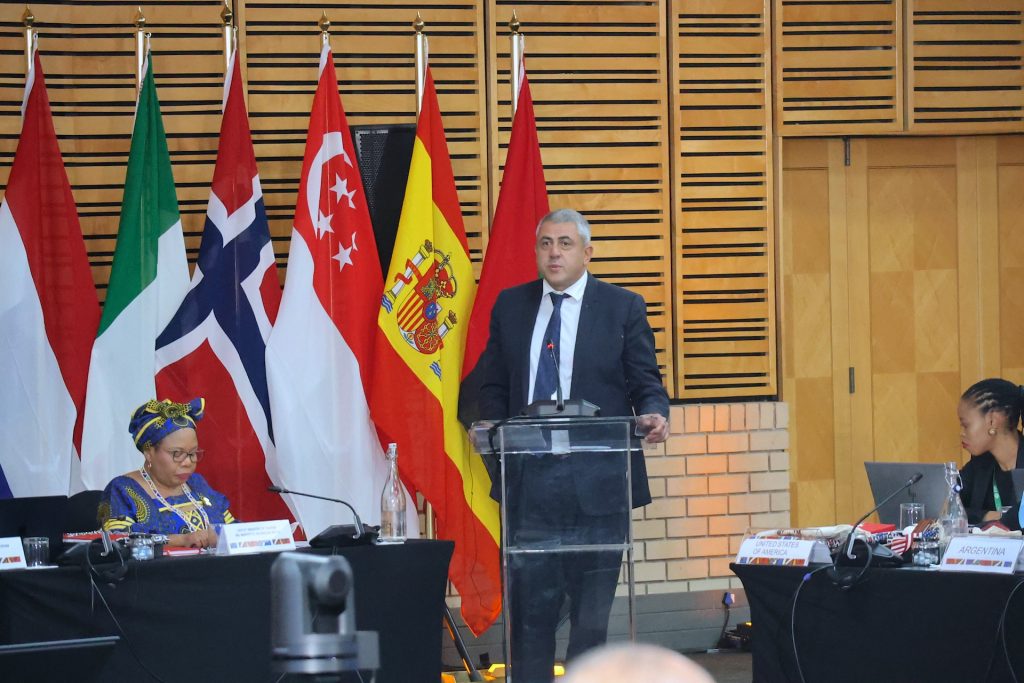
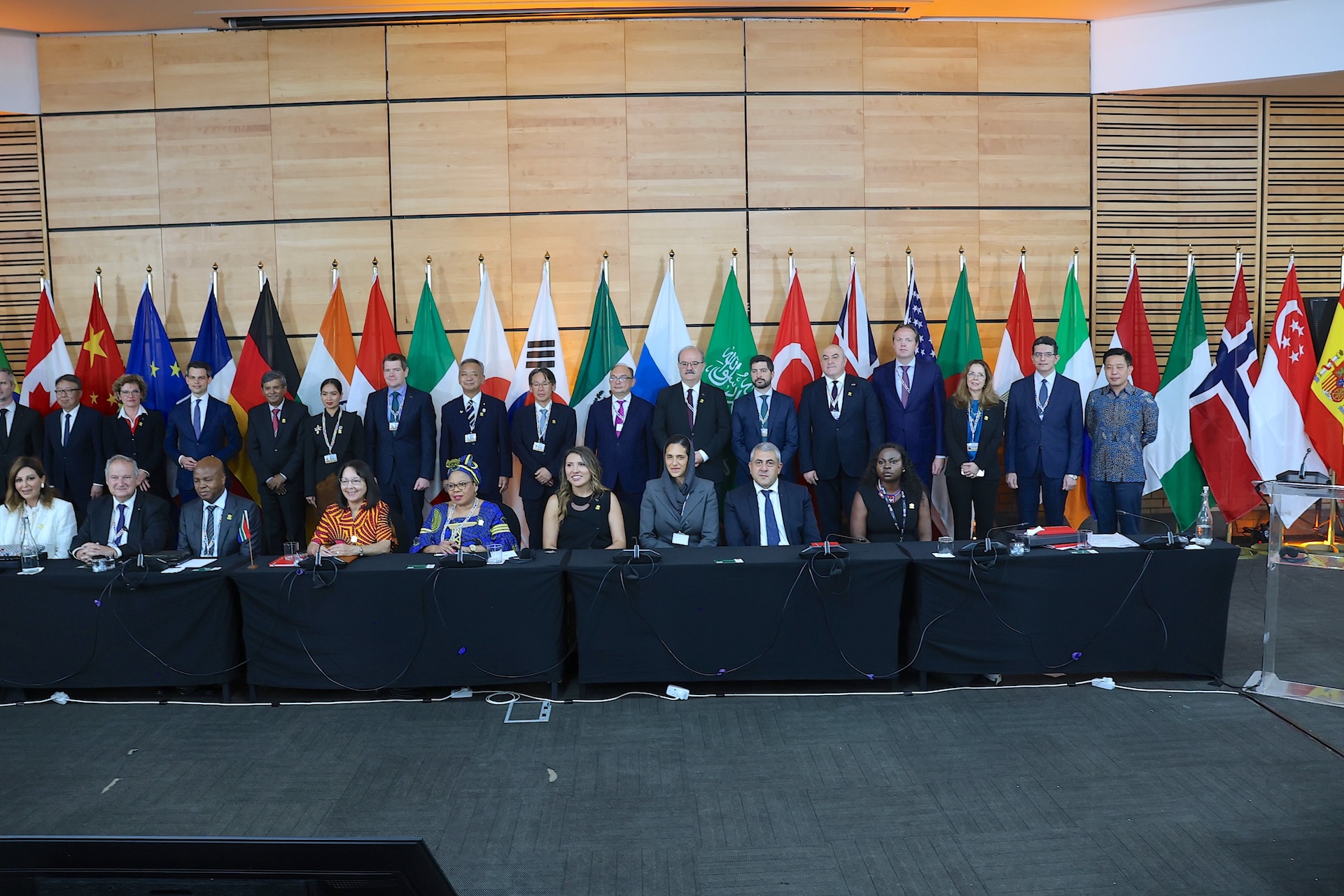
Speaking at the G20 Tourism Ministers Meeting in Mpumalanga, South Africa, UN Tourism Secretary-General Zurab Pololikashvili called on global leaders to position tourism as a driver of resilience, sustainability, and inclusive development, warning that the sector must do more than recover—it must transform.
“As we welcome strong recovery numbers, we are reminded of our responsibility to address the polycrisis facing our world—climate change, inequality, poverty, hunger, and geopolitical instability,” said Pololikashvili.
Held under the theme “Solidarity, Equality, Sustainability”, the summit highlighted tourism’s full return to pre-pandemic levels, with 1.5 billion international arrivals recorded in 2024, matching 2019 numbers. In G20 economies, tourism exports reached a record $2 trillion, and the sector now contributes $3.4 trillion in direct GDP.
But Pololikashvili urged ministers not to be complacent, warning that the sector’s resilience must be built into policy, planning, and investment.
“Every plan and investment must be stress-tested,” he said, advocating for stronger crisis preparedness, improved communication to travelers, and a shift away from focusing on visitor volume toward long-term value and climate-resilient systems.
He also emphasized the need to empower micro, small, and medium-sized enterprises (MSMEs)—which make up the vast majority of tourism businesses—and ensure they are equipped to adapt to digital transformation and technological change.
Pololikashvili referenced the G20 Tourism Action Plan for Digital Innovation, calling it a roadmap to expand digital access and smart infrastructure, and to ensure tourism’s digital future is inclusive and equitable.
“Economic incentives must support women-led businesses, youth, and vulnerable groups. Reducing regional digital divides is not optional—it’s essential,” he said.
He called for better data governance, AI-powered crisis tools, and capacity-building programs to bring MSMEs into the digital economy.
Despite its role as an economic powerhouse, tourism remains underrepresented in global development financing, receiving less than 0.11% of Official Development Assistance.
“The G20’s mission is clear: to make tourism investment not only abundant, but also inclusive, resilient, and sustainable,” Pololikashvili stressed.
He highlighted that between 2019 and 2024, G20 economies attracted nearly 80% of global greenfield tourism investment, creating 250,000 jobs and generating $98 billion in capital—a demonstration of tourism’s power as an engine of development.
In a passionate section of his address, Pololikashvili celebrated South Africa’s G20 Presidency and the recent inclusion of the African Union as a G20 member, noting that Africa’s time has come.
“Africa accounts for 19% of the world’s population, yet it receives just 5% of international tourism. We can—and must—turn this 5% into 10% in the near future,” he said.
He pointed to growing investment opportunities across the continent, as showcased at this week’s Tourism Investment Summit in Cape Town, and stressed the importance of unlocking barriers around air connectivity, visa facilitation, and skills development.
Closing his speech, Pololikashvili reminded ministers of the bigger picture: q“In the spirit of Ubuntu, let us recognise that individual nations cannot thrive in isolation. Tourism can be a bridge—to inclusion, sustainability, peace, and shared prosperity.”
As the G20 continues to position tourism within its core agenda, the Secretary-General’s message was clear: the future of tourism must be collaborative, inclusive, and forward-looking.