

This is a culinary write-up. Or, more accurately, a food memoir.
It is about my culinary experience in Tunisia as a picky eater, and as someone who is very intentional about food and the experience it presents, not only to the person eating it, but even to the person simply looking at it. Food matters. Especially in ethnic cultures. It binds people together. It anchors family gatherings and friendships. Depending on how delicious it is perceived to be, it can elevate a moment or slightly mar it. This is me sharing my culinary experience in Tunisia, not just from a taste-bud perspective, but from a psychological and emotional one too.
Before I landed in Tunisia, I was mentally preparing myself. Different culture. Different spices. Different food logic. I told myself my tongue was about to take a small hit. So naturally, I packed shito. Not emotionally. Practically. Just in case.
Let me break it to you guys. That shito never saw the light of day. I kid you not.
Now, for context, shito is not just a sauce. Shito is a culinary support system. It is that dark, smoky Ghanaian pepper sauce made from dried chillies, oil, onions, ginger, garlic, shrimp or fish powder, sometimes meat, sometimes both, cooked low and slow until it becomes concentrated flavour. Shito exists to rescue dull food. It brings life where there was none. It brings enticement to tired taste buds. It brings flavour. It brings a certain joy that lets you know you dodged the bullet of food quietly heading towards waste by virtue of its perceived dullness. For most Ghanaians, shito is not optional. It is emotional insurance.
So yes, shame on me for packing it.
Because here is the reality I had not foreseen. Even though our cultures are different, somehow, someway, Tunisia felt like another home. A home away from home. Different accent. Same confidence in flavour. Same respect for seasoning. Same understanding that food must do something.
Let us talk properly.
And before I go any further, if you are still someone who is psychologically dependent on shito, I suggest you make peace with harissa. That became my go-to for almost everything. It paired beautifully with virtually all the dishes I had, adding heat, depth, and character without overpowering the food. If you need a reference point to feel safe, you can call it Tunisian shito if you will. Different ingredients. Same mission.
From the very first meal, it was clear that Tunisia was not interested in easing me into anything. It was interested in feeding me well. There is an assuredness in Tunisian cooking that immediately disarms you. No over-explaining. No over-seasoning. Just quiet confidence and deep flavour. It reminded me of home in that very African way where food is not there to perform. It is there to satisfy.
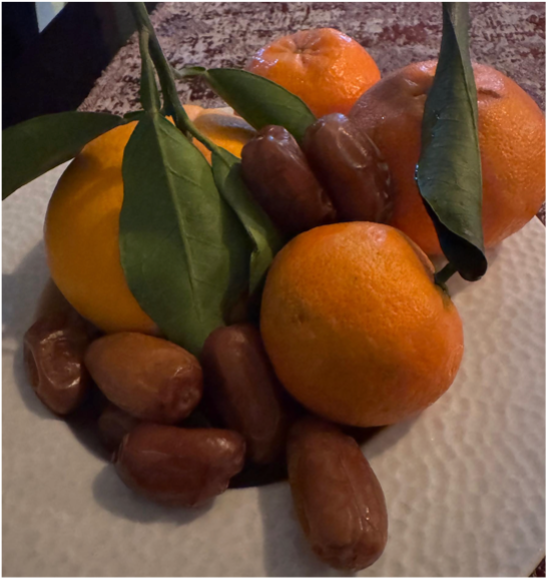
One thing Tunisians do beautifully, and without apology, is take pride in what is in season. When fruits and nuts are ready, they take precedence. Desserts pause. Ice cream steps aside. If oranges are in season, oranges become dessert. If dates are at their peak, dates close the meal. And I should say this clearly. Everywhere I went, dates followed me. Hotels. Restaurants. Tables. Side plates. Always dates. Always fruit. It felt generous. Intentional. Almost protective.
That kind of culinary discipline speaks to agricultural pride. It tells you the land matters. Timing matters. And flavour starts long before the kitchen.
Radisson Blu Hotel & Convention Centre, Tunis
I arrived late and decided to have something light. Partly because it made sense. Partly because I was fighting a very serious, ongoing battle against what is popularly known as the ‘fupa’. A formidable foe. One that chooses to invade food lovers like myself without notice or mercy.
So I kept it gentle. This was where I first met the slatas.
As West Africans, when we think of salad, we think of crisp leafy greens, full-bodied tomatoes, crunchy onions for some, firm textures that require a proper bite and a bit of chewing. What struck me in Tunisia was that the salads I had were different. These were finely chopped down, almost to a paste. Not salads you attack with a fork. These were salads you spread.
You could slather them on bread if you wanted. You could eat them on their own. And permit me to say, possibly culturally wrong but I stand by it, you could even have them as a side with rice or couscous. Potayto potahto. I do not think I did anything wrong there.
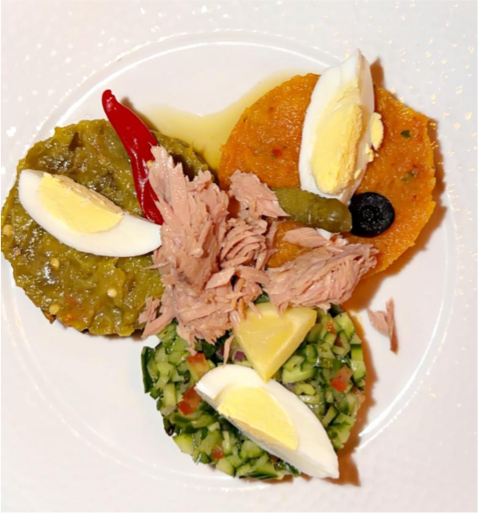
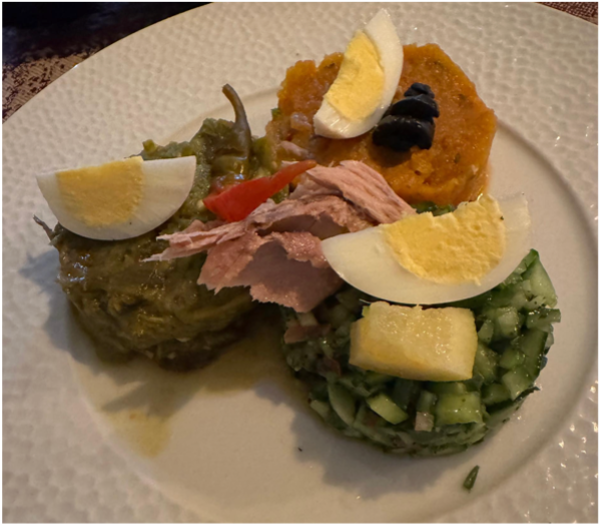
The slata mechouia hits first. Roasted green peppers mashed with olive oil, sometimes tomato and garlic. Smoky, earthy, slightly sweet. It spreads warmly across the tongue like a pepper base that has been roasted patiently and allowed to settle into itself.
The slata tounsia follows. Tomato-based, gently spiced, cooked down until everything has married properly. Slight sweetness, mild smokiness, deeply comforting. This one speaks directly to a West African palate because we understand tomato discipline.
Then the slata khadhra comes in to cleanse the slate. Fresh cucumber, onion, tomato. Crisp, cool, refreshing. Balance restored. Alongside this came fruit. Always fruit. Always dates. Soft, honeyed, calm. A gentle reminder that Tunisia feeds you, but it also watches over you.
La Goulette, Northern Tunisia
Now, brik. This is where things got serious.
I had brik with shrimp at La Goulette.
Brik is thin pastry fried until it shatters at the bite. Crisp, delicate, confident. The shrimp filling is savoury and satisfying, the oil well-managed, the crunch clean. It is not greasy. It is deliberate.
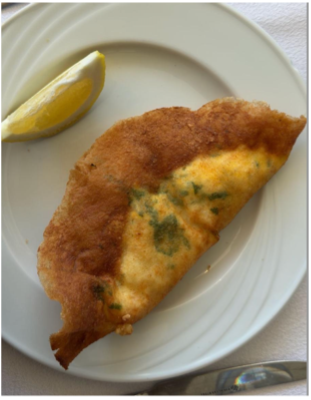
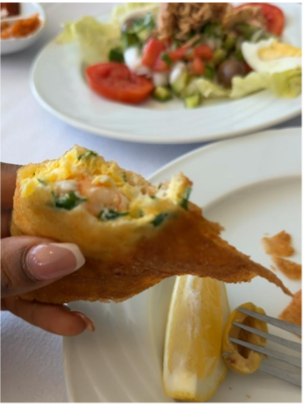
And then there is the lemon. That squeeze changes the entire flavour profile of the brik. It cuts through the oil, lifts the filling, sharpens the herbs, and suddenly everything makes sense. The richness becomes lighter. The crunch becomes cleaner. The seafood becomes brighter. It is not decorative. It is functional. Lemon usually gives me the heebie-jeebies, but on brik, lemon understands its assignment.
The grilled sea bass at La Goulette deserves more respect than a simple description. This was Mediterranean fish treated with Tunisian instinct. Olive oil and salt formed the base, yes, but cracked black pepper brought warmth, garlic softened gently into the oil, and subtle Tunisian herbs like bay and dried oregano perfumed the fish as it grilled. The skin crisped beautifully, the flesh flaked cleanly, and the overall experience was homely and grounding
This was food that relaxed the table. Conversation flowed more easily. Laughter lingered longer. Nobody rushed. It enhanced the moment rather than competing with it.
Fruit followed. Dates followed.
Dar El Jeld, Tunis Medina
At Dar El Jeld, the brik returned, this time with tuna, alongside several mini briks.
The tuna brik is savoury, balanced, deeply satisfying. Again, the lemon is essential. Again, it makes sense.
But Dar El Jeld really begins to shine when you move beyond the familiar.
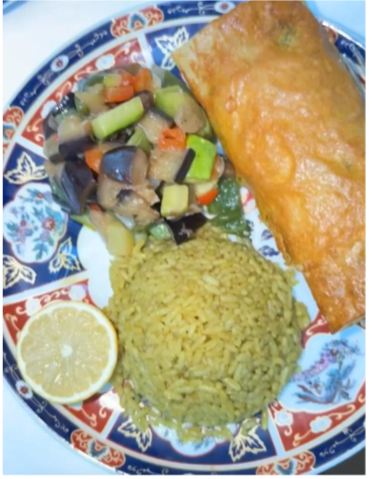
I had ratatouille with riz vert, and this deserves clarification. This was not the classic French Provençal ratatouille with defined vegetable cuts and olive-oil-led restraint. This was Tunisian in soul. Softer. Warmer. More cohesive. The vegetables were cooked down into something closer to a vegetable stew or hearty salad, where tomato, pepper, and aromatics had time to collapse into each other. The rice was fragrant and grounding, acting as a companion rather than a base.
This dish felt comforting, not performative. Familiar, yet rooted in local logic. It tasted like something meant to nourish, not impress.
I also had seafood malsouka. Crisp pastry layers encasing seasoned seafood, aromatic but not heavy. Crunch giving way to softness. Richness balanced by herbs and acidity. Tunisia understands pastry deeply.
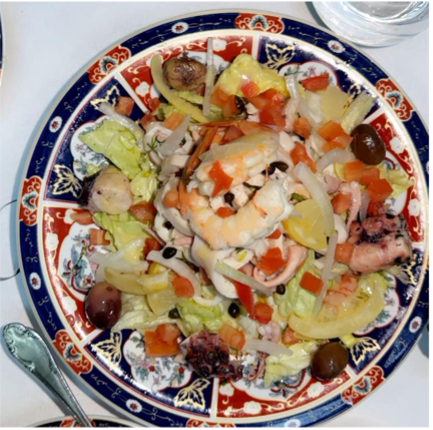
A seafood salad followed. Lightly dressed. Clean. Bright. Seafood that tastes like it remembers where it came from.
Bread arrived. Harissa arrived. Capers arrived. Salted anchovies arrived. All separately plated. All innocent.
I took the bread, smeared it generously with harissa, added capers for sharpness, finished with anchovies for salt and depth. Bold. Balanced. Assertive. Possibly unorthodox. Completely correct.
Fruit followed. Dates followed.
Dar Antonia, Sousse
Now let me do proper justice to Dar Antonia, because Dar Antonia was not just dinner. It was a lesson in intention.
Dar Antonia is deeply styled, with each room reflecting a cultural region of Tunisia, and that same thoughtfulness carries straight into the kitchen. There is discipline here. Calm confidence. Nothing on the plate is accidental.
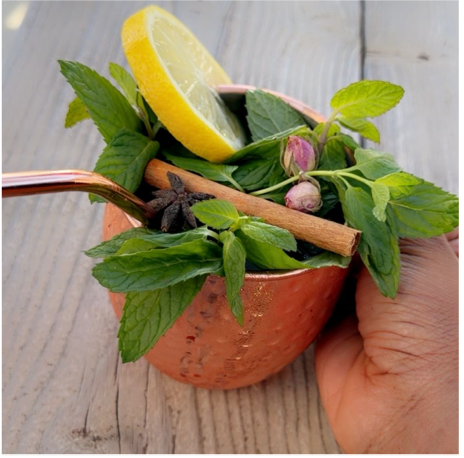
The mojito at Dar Antonia deserves to be spoken about on its own because this was not your standard mint-lime-sugar situation. This drink felt intentional, almost philosophical.
Served fresh and unapologetically aromatic, it leaned heavily into Tunisian herbs and spices rather than chasing mimicry. The mint was assertive but not sharp, bruised just enough to release its oils without tipping into bitterness. The citrus came through clean and bright, softened by balance rather than acidity. But what truly set this mojito apart was what sat quietly within it.
You could see it. And you could taste it.
Star anise nestled into the mug, lending a soft, liquorice-like warmth that lingered gently rather than announcing itself. Cardamom added a floral, almost citrusy spice that lifted the drink and tied the herbs together. A cinnamon stick rested confidently among the mint, not sweet, not overpowering, just grounding everything with warmth and depth. These were not garnish-for-show additions. They were structural. Purposeful.
There was warmth in the mug. Not heat, but comfort. The kind that settles rather than excites. The drink unfolded slowly. First freshness. Then herb. Then spice. Then calm.
It felt homely. Grounded. Like something that belonged exactly where it was being served.
This was not a cocktail trying to impress you with theatrics. It was a drink designed to sit comfortably at the table, to cool the palate between bites, to encourage conversation, to slow the evening down just enough for you to notice what you were eating. Refreshing without being thin. Fragrant without being perfumed. Familiar, yet unmistakably Tunisian.
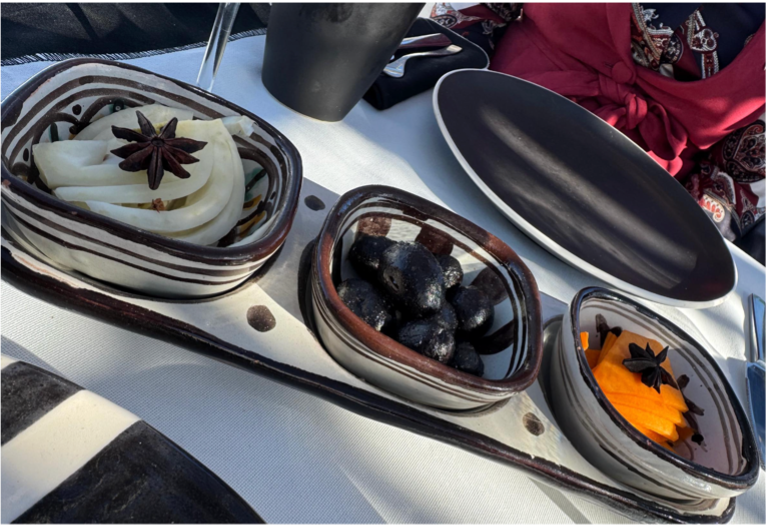
For starters we had star anise soaked pumpkin, A perfect combination of sugar, spice and everything nice. Rather unusual but homely accompanied by some stuffed olives.
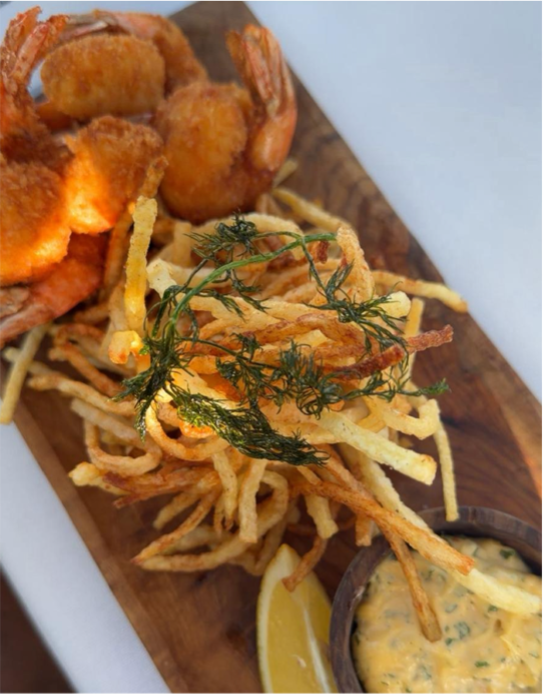
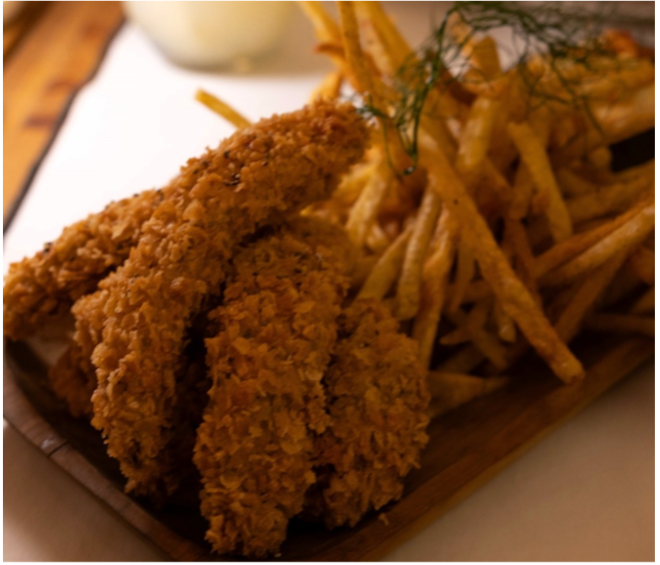
The panko-crusted fried prawn arrives crisp and golden, the crunch audible before the flavour even lands. Inside, the flesh is tender and well-seasoned, rich but not heavy. The mint-flavoured mayonnaise cools the palate instantly, lifting the dish and adding freshness. The potato chips are thin, crisp, lightly seasoned, familiar and grounding. Playful, but precise.
The panko-crusted cuttlefish follows with a similar crispness but a completely different personality. Soft, almost creamy inside, carrying a gentle ocean sweetness. The homemade tartar sauce brings brightness and acidity, the herbs add freshness, and the fried vegetables introduce texture without distraction.
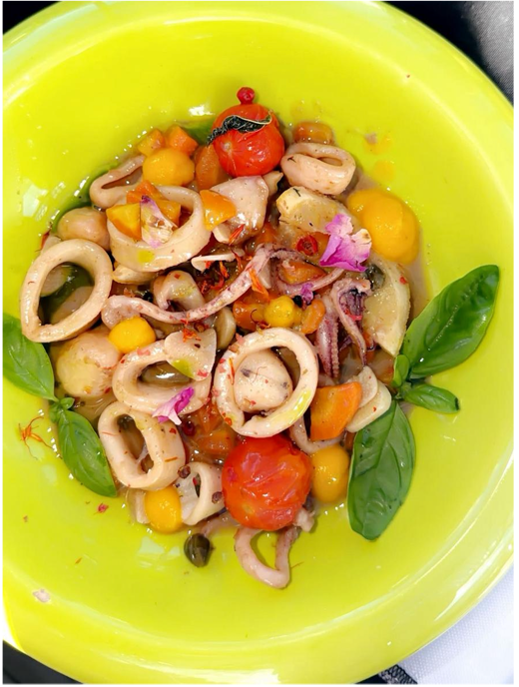
The Provençal-style squid is all restraint. Garlic. Capers. Parsley. Salty, herby, aromatic. Tender, never chewy.
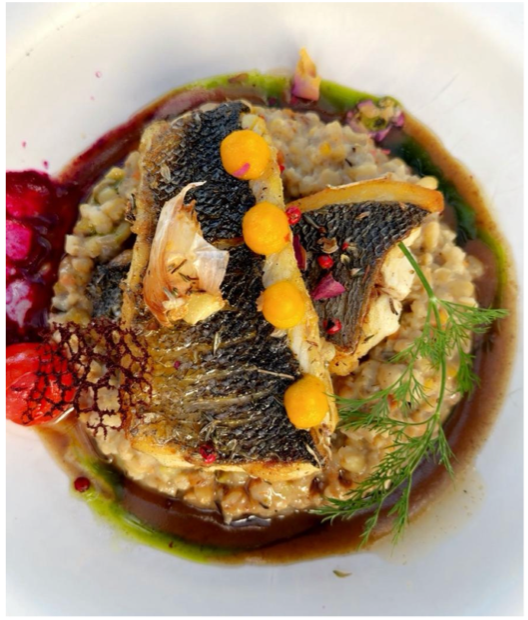
Then came the wild sea bass with what everyone assumed was risotto.
Creamy. Comforting. Familiar.
Except my tongue paused.
Everyone except Sami Mathlouthi (the owner) assumed it was rice. My Michelin-star tongue said otherwise. After a few debates, giggles, and side-eyes, I finally asked, “This has got to be bulgur.” He smiled and said yes.
Listen guys, I WON THE BET!!!!
And I must congratulate the chef for this feat. Creating a risotto-style dish using bulgur, making it creamy, convincing, and comforting enough to fool a full table, is not small skill. It takes serious technique. We were all, if there is a word for it, culinarily bamboozled. A healthier risotto variant executed so well that it never once felt like a compromise. Hats off to Dar Antonia. That was genuinely something unique.
The borghel mushrooms added depth and earthiness. The candied seasonal vegetables brought gentle sweetness. The surf-and-turf sauce tied everything together without overpowering the fish. We paired this meal with Tunisian wine. A rosé that was fresh, dry, lightly floral, perfect with seafood and pastry. A Syrah that was warm, dark-fruited, gently spiced, standing confidently beside richer dishes. Somewhere between glasses, I started contemplating opening a Tunisian wine shop in Ghana. Because honestly, these wines deserve passports.
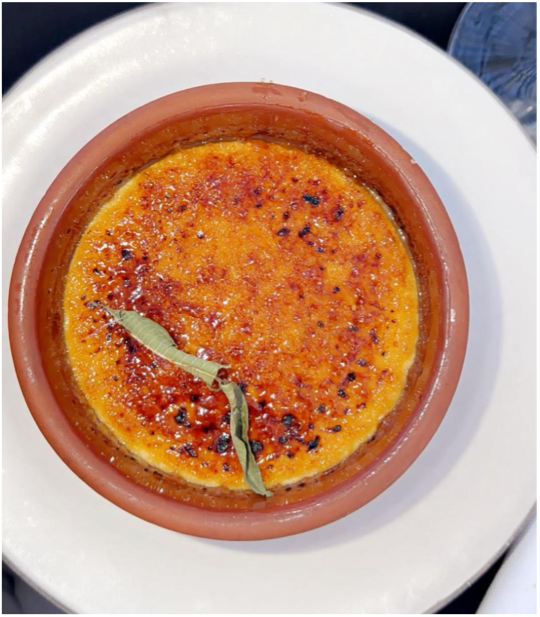
The verbena-infused crème brûlée was fragrant and calm. The sugar crust cracked cleanly, giving way to a smooth, delicately scented custard. The fondant au chocolat melted slowly, rich but controlled. Desserts that know when to stop.
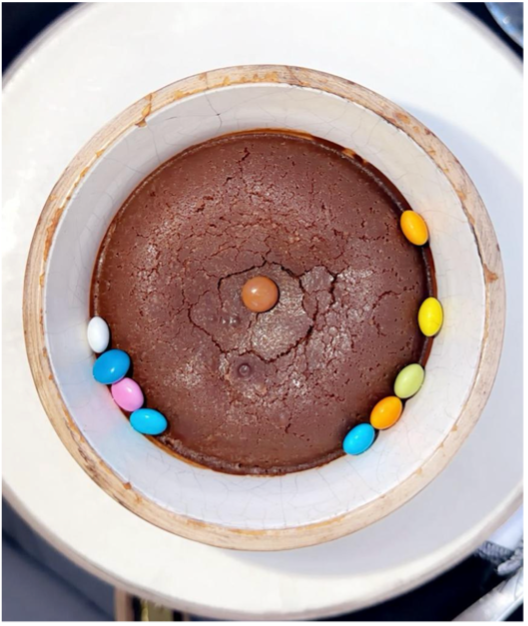
Fruit followed. Dates followed. I know that’s right (Cardi B voice).
Sidi Bou Said
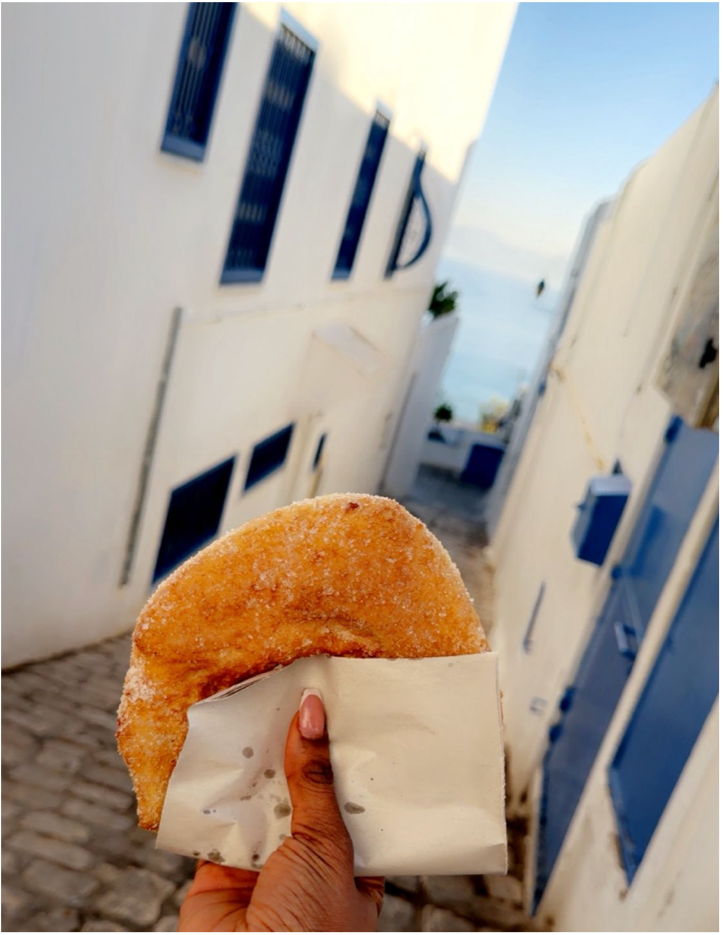
There is no way you go to Tunisia and do not have bambalouni from Sidi Bou Said.
Sidi Bou Said is not trying to impress you. It simply is. Artists, poets, musicians, and thinkers have passed through it for decades, and you feel that creative stillness immediately. It is slow. It is proud. It is deeply Tunisian. And within that pride sits bambalouni.
Bambalouni is not just a snack. It is regional identity in fried dough form. You do not really get bambalouni properly anywhere else the way you do here. Yes, you might find versions elsewhere, but this one belongs to Sidi Bou Said. It is their thing. Their pride dessert. Their quiet flex.
Freshly fried. Still warm. Golden. Slightly irregular. Handed to you in paper. Dusted generously with sugar.
When you bite into it, the outside offers gentle resistance before giving way. Inside, it is soft, chewy, airy, comforting. Not cake. Not bread. Somewhere perfectly in between. Sweet, but not aggressively so. And you can tell them how much sugar you want. If you were not born with a sweet tooth like mine, they will respect your boundaries.
To a West African palate, bambalouni feels familiar in the best way. The same joy as roadside snacks back home. The same warmth. The same simplicity.
Standing there, holding bambalouni, sugar lightly dusting your fingers, sea breeze moving gently behind you, you understand why this snack matters. It is not just about taste. It is about place. Memory. Tradition.
Bambalouni tastes like happiness that feels familiar, wrapped in warmth and sugar.
Tunisia did not need to convince me. It welcomed me, fed me, understood my tongue, and reminded me that good food transcends borders when it is cooked with confidence and love. I arrived cautious. I left charmed. Full. Emotionally satisfied. Already planning my return.
Tunisia will definitely be seeing more of me.
Just not with the shito next time.
The writer, Naomi Borley Alabi is Deputy CEO – Finance & Administration, Ghana Tourism Development Company