
On a good evening in Kampala, you can tell when something is shifting, by the conversations. Young creatives are beginning to think beyond expression, toward enterprise.
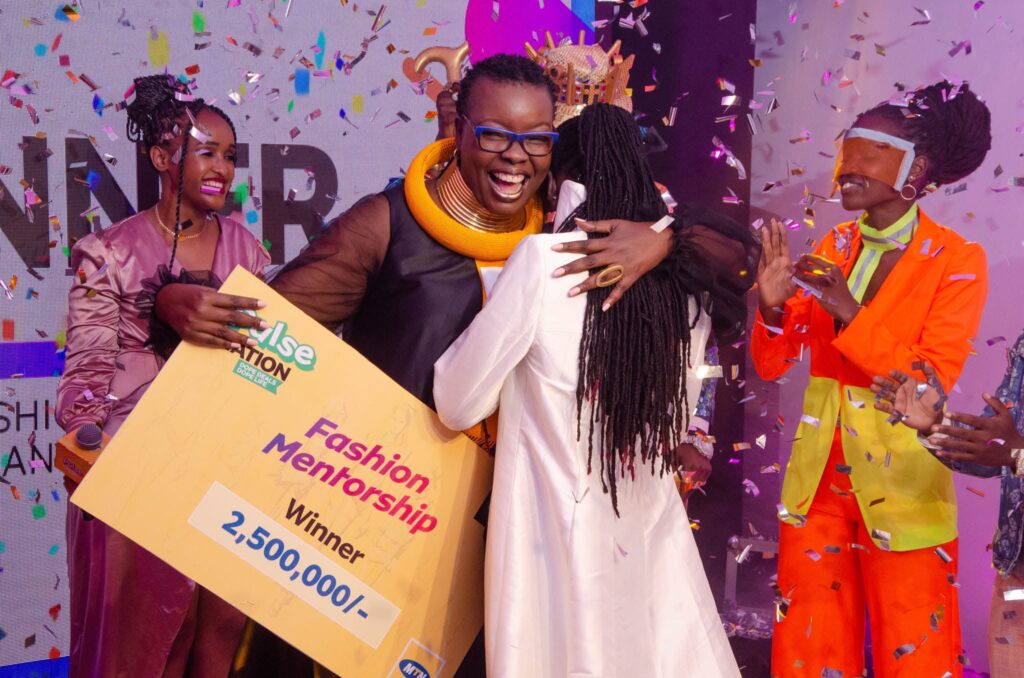
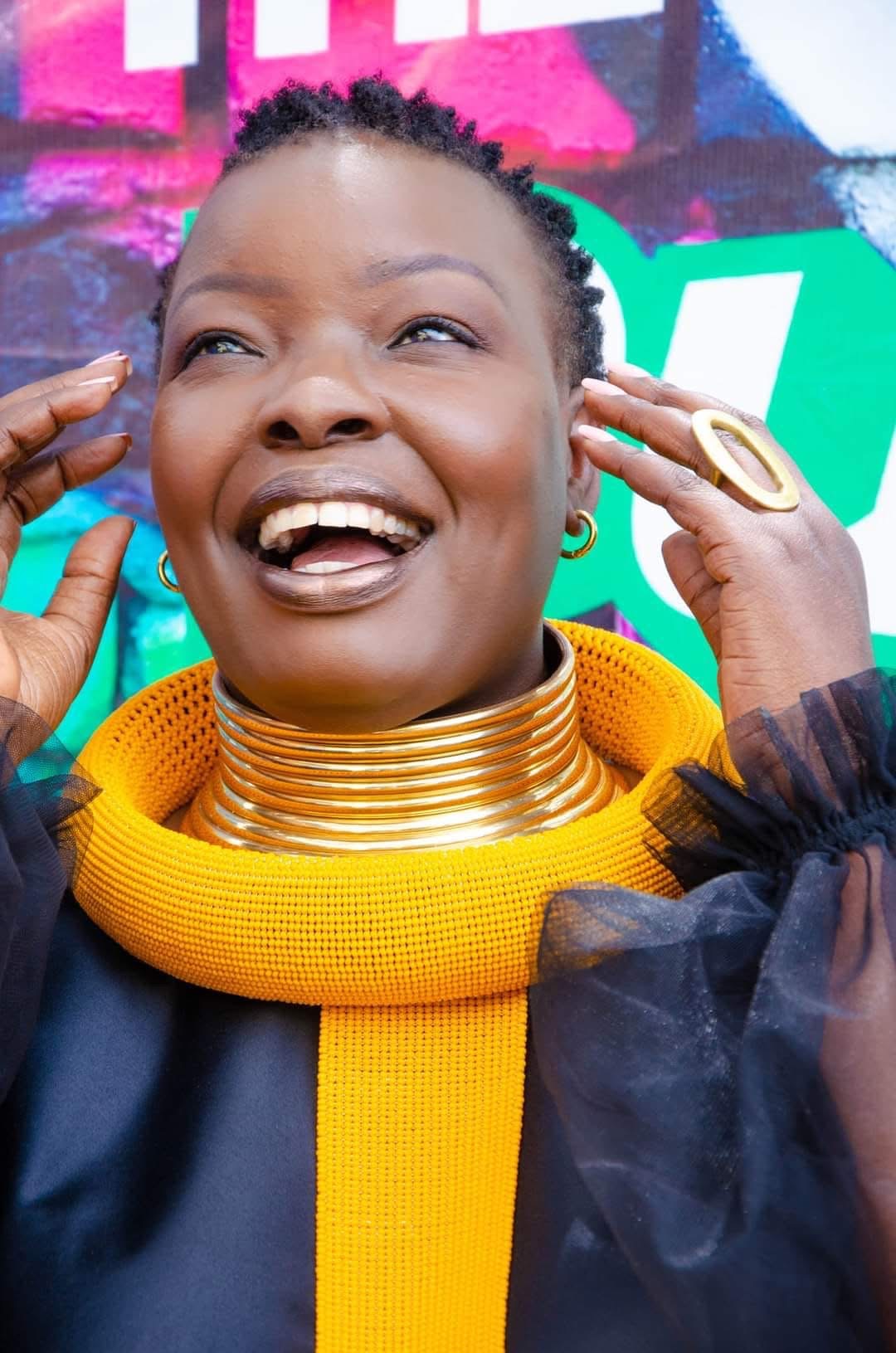
This June, Uganda International Fashion Week returns after six years. At the centre of it is Santa Anzo, whose work has long moved between creativity and conviction. When she first built the platform, the urgency was visibility to be taken seriously.
That work mattered. But over time, a harder question emerged: what happens after the show? Across Africa, that question is now being asked more directly in Kampala, as well as Nairobi, Lagos, Johannesburg, and beyond.
The continent is neither short on talent nor ideas. What it has struggled to build, consistently, is structure. This year’s fashion week leans into that gap. Behind the runway is a growing focus on the practical side of fashion which is to train young people, most of them women, in the disciplines that hold the industry together, including cutting, stitching, finishing and learning how to produce.
It is also important for a fashion enterpreneur to learn how to think about pricing, quality, and scale. “We don’t just exhibit fashion, we build livelihoods,” Anzo says.
In many ways, that is the real story because across the continent, fashion has often existed in fragments. There is a strong designer here, a skilled tailor there and a vibrant market somewhere else, but rarely connected in a way that allows growth to be steady.
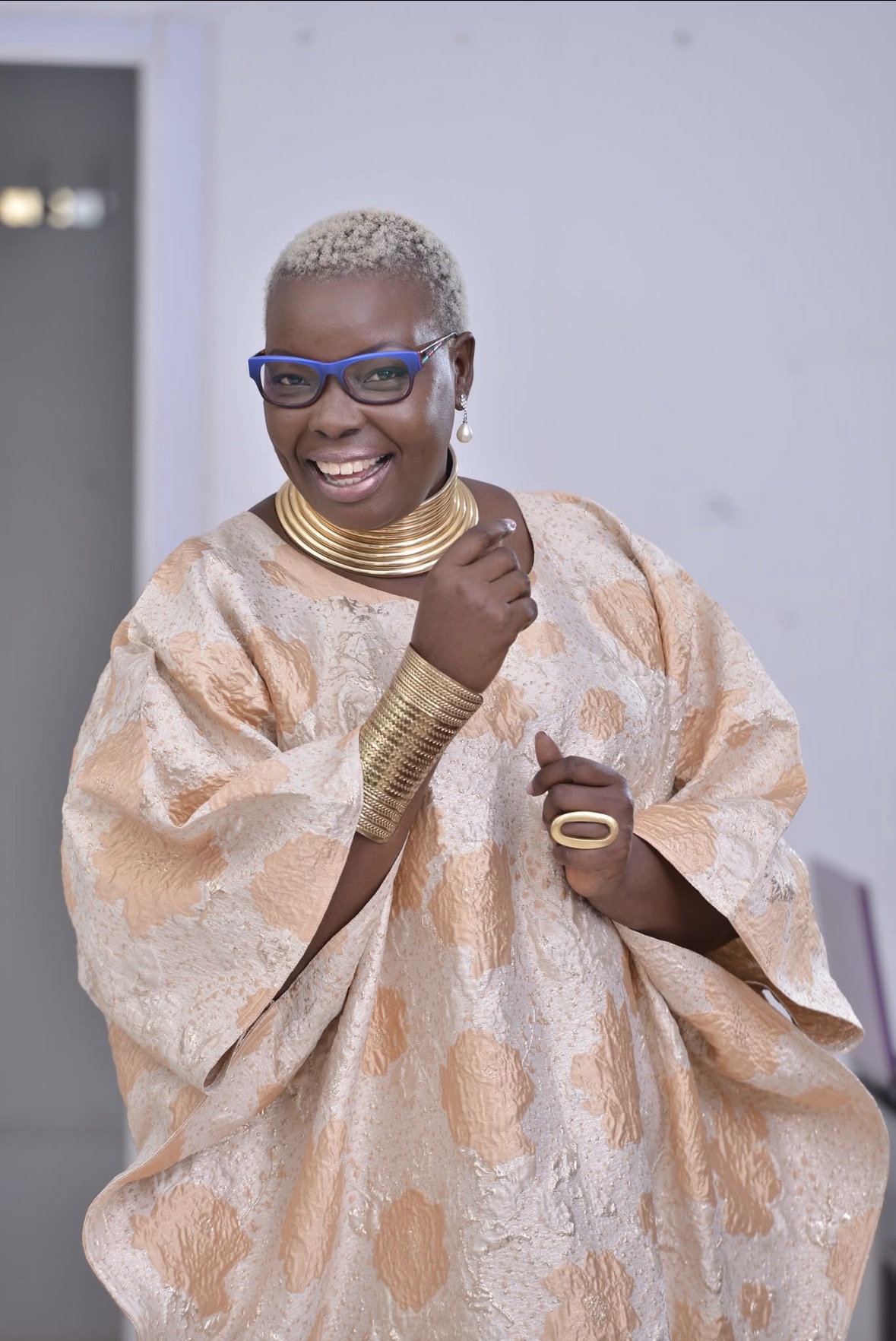
The challenge is continuity. What is being attempted in Kampala is to bring those fragments closer together and connect the designer to the maker, the maker to the market and the idea to the income.
In Nairobi, conversations are turning toward production and manufacturing while designers in Lagos, fashion are focussing on scale and export. In Johannesburg, infrastructure is more established, but still evolving.

Across the continent, there is a growing understanding that fashion must move beyond moments into systems. At the same time, there is a careful balancing act underway.
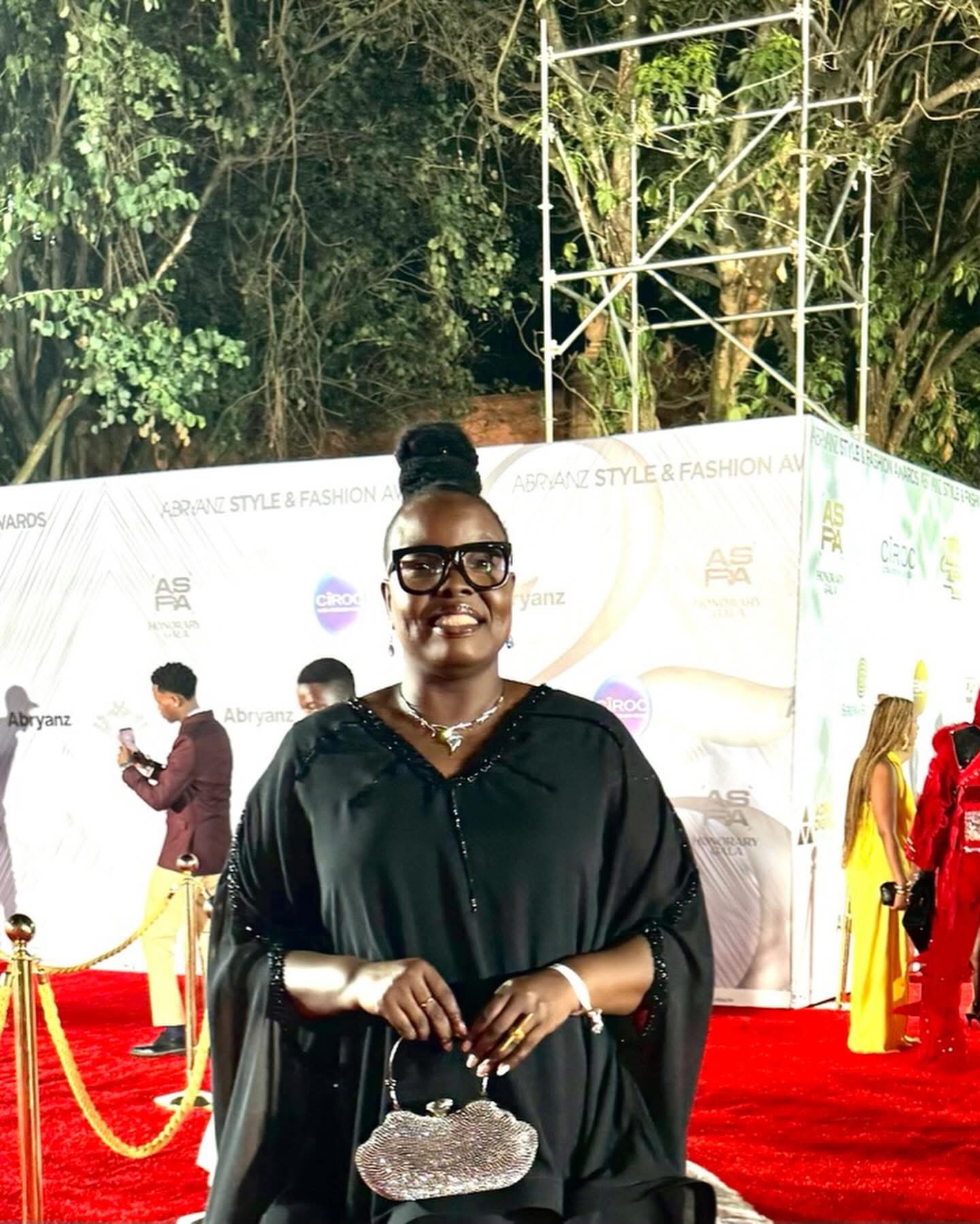
African fashion carries a strong sense of identity- through fabric, form and the details that reflect where something comes from. Kampala’s return to the fashion calendar sits within that wider motion as part of a broader shift and as Santa Anzo notes, arecognition that fashion, if it is to matter, must also function.