
There are journeys you embark on, and there are journeys that stay with you long after you’ve left.
For me, and for the journalists who gathered in Sierra Leone this February, this was the latter.
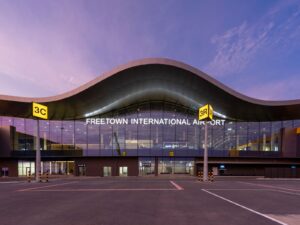
Even before my feet touched the soil of Freetown, the story had already begun to unfold. As our ferry sliced through the calm waters, the city revealed itself slowly, lush green hills cascading into the Atlantic, as though bowing in quiet reverence to nature’s grandeur. It was a cinematic welcome. The kind that doesn’t just greet you but whispers, “There are stories here… come and tell them.” And that was precisely why I had come.
A Country Ready to Be Rediscovered:
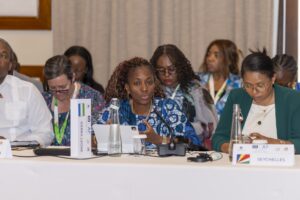
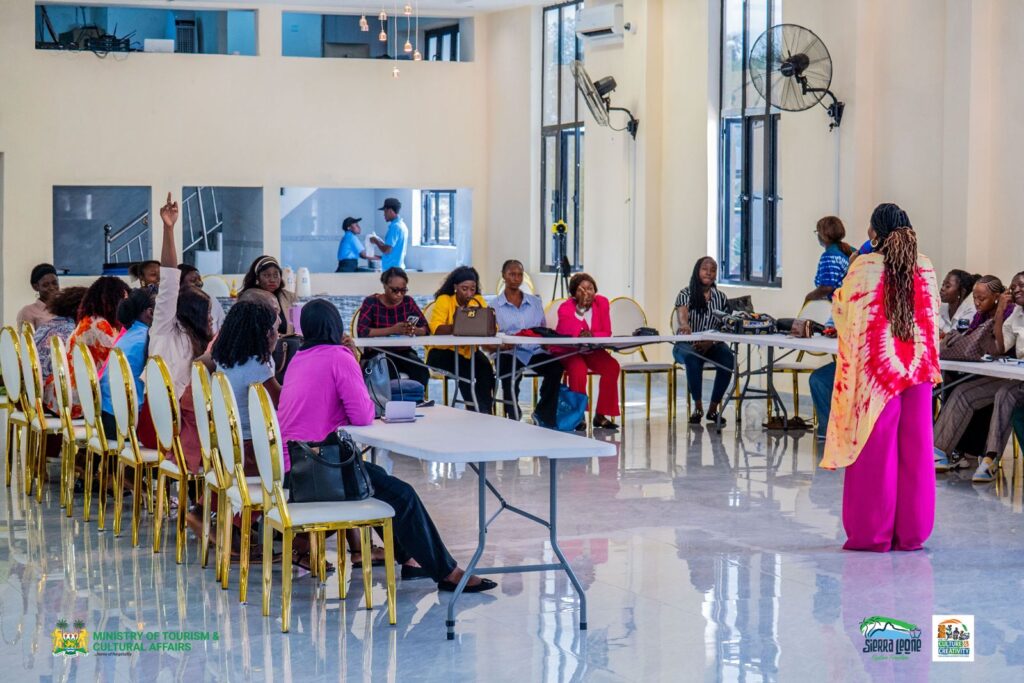
This was no ordinary training. It was a bold reawakening. Organised by the Ministry of Tourism and Cultural Affairs, the two-day Media and Communications training was designed to do something profound—reshape how Sierra Leone is reported, seen, experienced, and ultimately remembered.
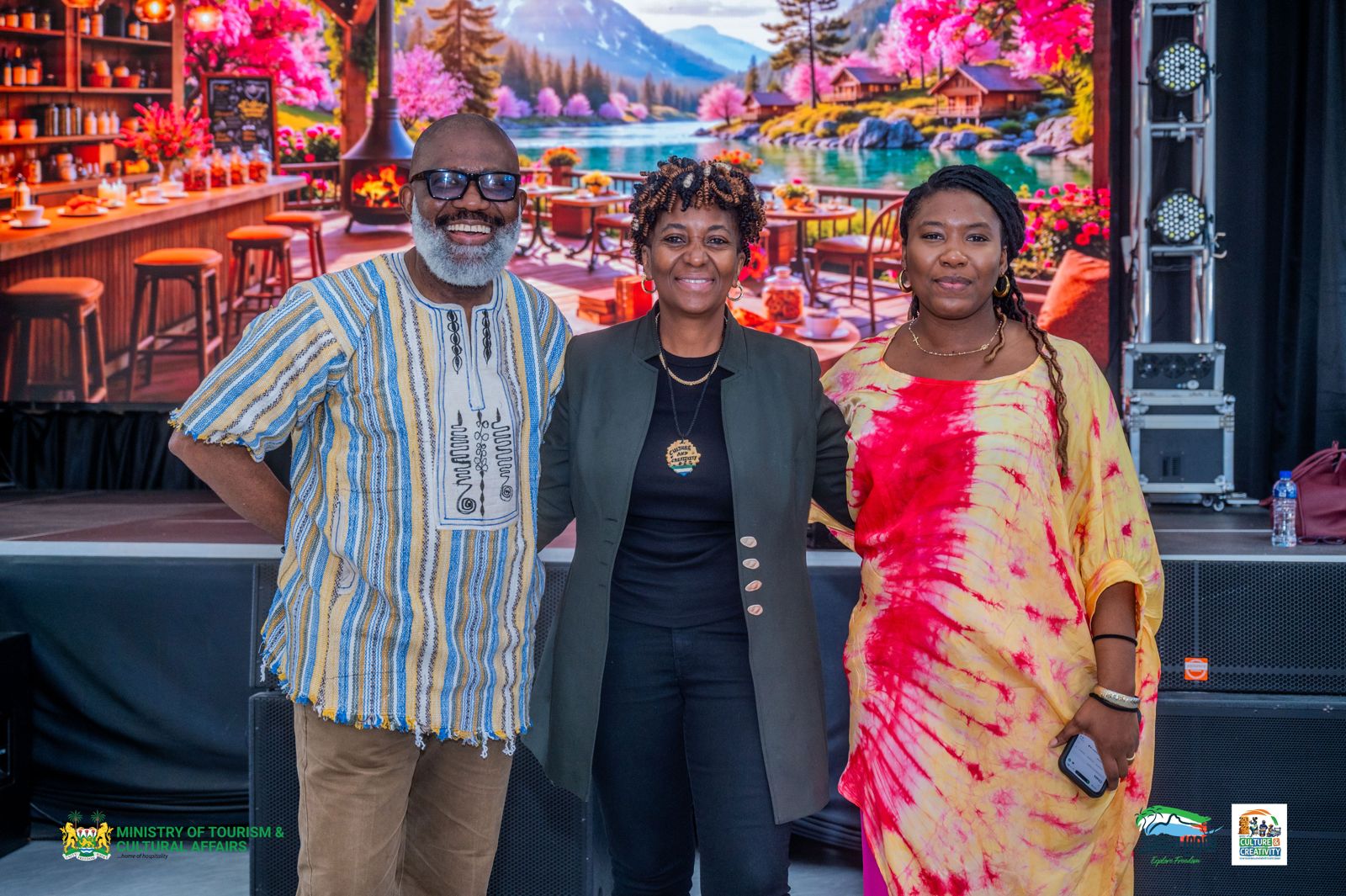
At the heart of this vision is Nabeela Farida Tunis, a woman whose passion for her country’s tourism story is as vibrant as the landscapes she champions.
But what struck me wasn’t just her policy drive but her humanity. She didn’t stand apart from the participants; she stood among them. She laughed with them. Listened. Encouraged. Inspired. In her presence, the distance between leadership and storytellers disappeared. “She feels like a sister,” one participant said softly.
And perhaps that is her greatest strength—her ability to lead not just with authority, but with heart.
Rewriting the Narrative: From Headlines to Heartlines
The theme of the training—Empowering Sierra Leonean Journalists for Sustainable Tourism Reporting was more than a title. It was a call to action.
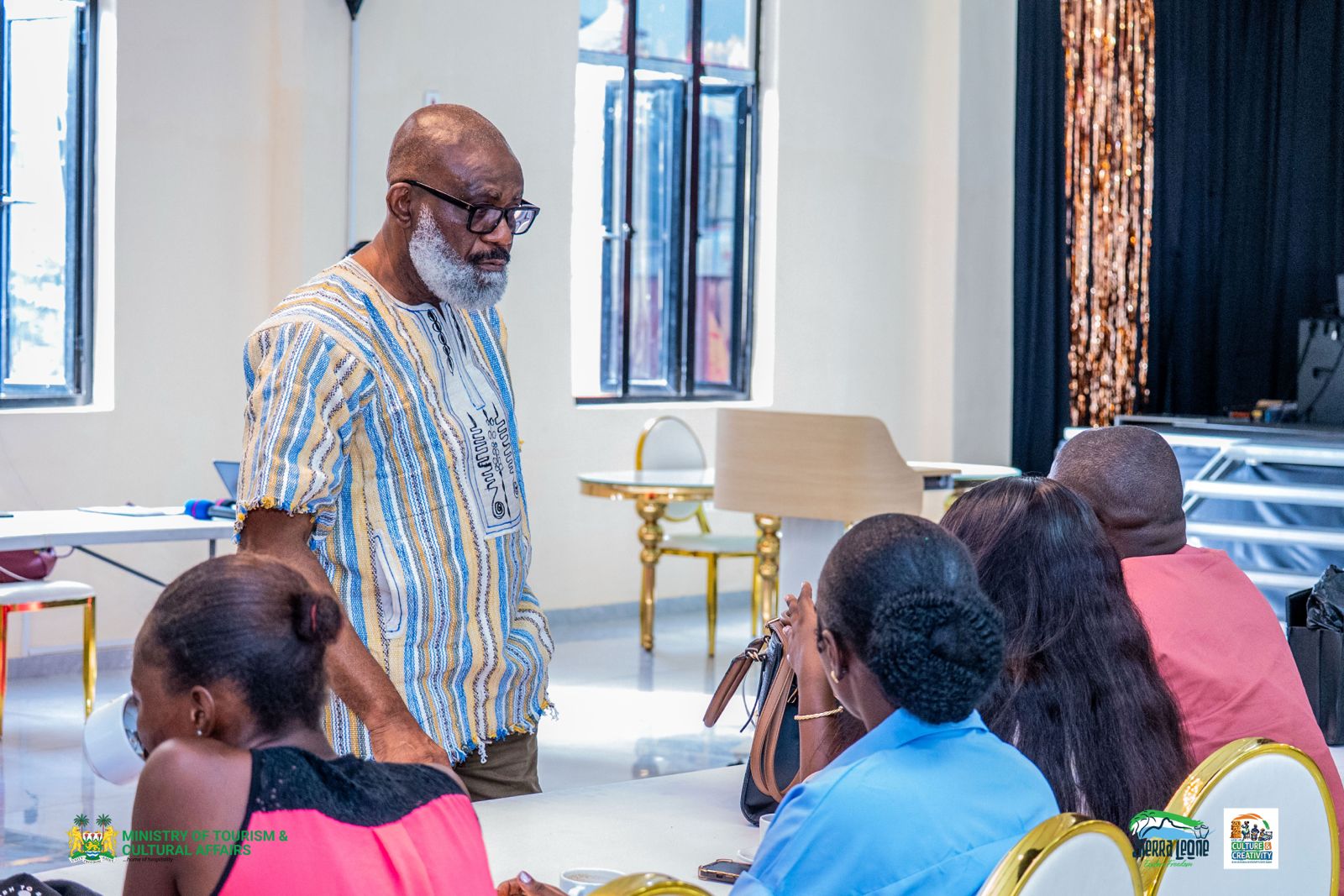
Together with respected media personality Antonia Howard, I had the privilege of guiding participants through a journey of rediscovery not just of Sierra Leone, but of storytelling itself.
We began by looking outward, examining Africa’s leading tourism destinations and asking critical questions: What makes them work? Why do their stories travel?
Then we turned inward. Sierra Leone’s beaches. Its heritage. It’s music. It’s art. It’s people.
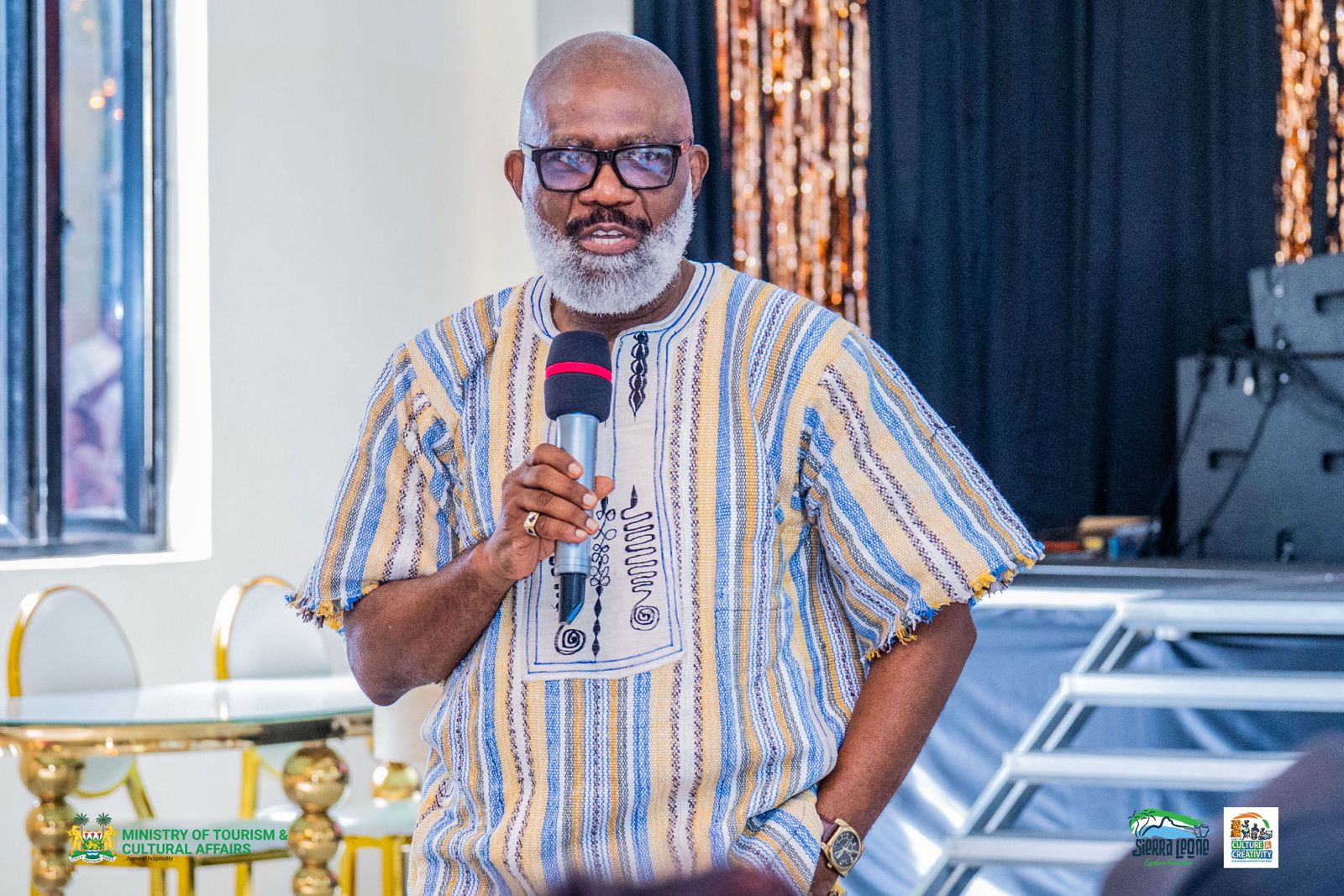
Suddenly, what had once seemed familiar began to feel extraordinary. Through powerful visual examples and open dialogue, a quiet shift began to happen. The room changed. Perspectives widened. And then creativity erupted. Story ideas flowed. Fresh angles emerged. Digital storytelling strategies took shape. Social media was no longer just a tool; it became a stage. A new generation of tourism storytellers was finding its voice.
From Inspiration to Creation
If day one sparked imagination, day two demanded execution.
We moved from why to how. What makes a tourism story unforgettable? How do you structure it for impact? How do you make audiences not just read but feel?
Participants explored formats across print, broadcast, and digital platforms. They learned to think visually, write emotionally, and report with intention. Conversations around mobile journalism and multimedia storytelling revealed a future that is fast, immersive, and deeply human.
But perhaps one of the most powerful moments came with a simple idea: What if every newsroom had a tourism desk?
For many, it was a revelation and an entirely new professional pathway unfolding before them.
Where Stories Come Alive
Then came the magic!!. At the vibrant Lumley Craft Market, set against the golden stretch of Lumley Beach, theory met reality. The air was alive with colour, rhythm, craftsmanship, and the hum of daily life. Here, the journalists became storytellers in motion. They interviewed artisans. Captured textures. Framed moments. Listened to stories etched in wood, fabric, and tradition.What they produced was nothing short of remarkable. They crafted Human-interest features that made you pause. Visual stories that pulled you in. Narratives that didn’t just inform but transported. In that moment, the market was no longer just a marketplace. It became a living, breathing storybook.
Women Leading the Story Forward
There was another powerful layer to this experience, one that cannot be overlooked.
Out of 26 participants, 25 were women. This was intentional. Under the Women in Tourism Leadership Africa Committee, where Dr. Tunis is the chair, this training was not just about storytelling; it was about who gets to tell the story, and these women rose to the moment. They brought depth. Sensitivity. Strength. Vision.
Minister Tunis described the initiative as a “deliberate investment”. Indeed, it felt like planting seeds for a future where African tourism narratives are shaped by voices that understand them best.
A Departure… and a Promise
As the training came to a close, something had shifted. Not just in skills but in mindset.
These journalists were no longer just reporters; they had become custodians of Sierra Leone’s story, charged with telling it in ways that inspire travel, celebrate culture, and drive sustainable growth. For the Ministry, this is more than capacity building.
It is a strategy. It is a vision. It is nation branding in its most authentic form.
—– And for me?
As I left Freetown, I carried more than memories. I carried a renewed sense of purpose and a quiet certainty that this is only the beginning.
Sierra Leone is ready.
Ready to be seen.
Ready to be experienced.
Ready to be told—beautifully, boldly, and truthfully.
And I will return.
Because some stories… are too powerful to be told just once, and workshops are too important to be held once.
Kingsley D. Uranta