

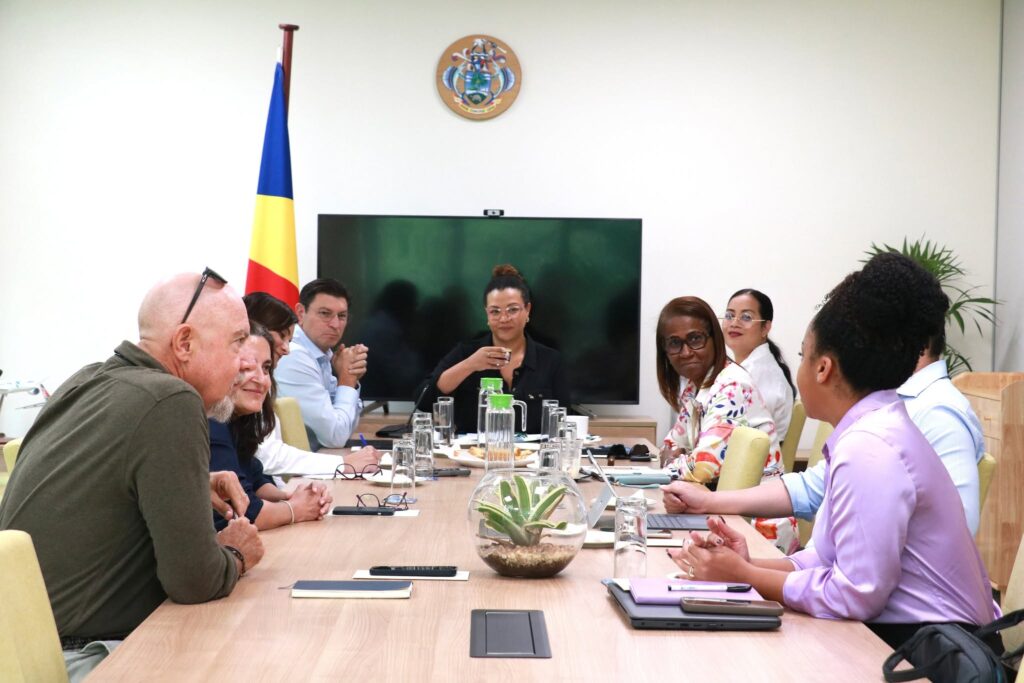
Seychelles has entered a new phase of tourism governance with the formal appointment of a new Board of Directors for the Seychelles Tourism Board (STB), signalling a strategic reset for one of the Indian Ocean destination’s most critical economic institutions.
The announcement by the Office of the President of Seychelles comes at a time when global destinations are rethinking how tourism boards are structured, governed, and aligned with both market realities and national development priorities.
For Seychelles, tourism remains the backbone of the economy — and governance matters.
A Board That Reflects Industry and Policy Balance
The newly appointed Board is chaired by Eddie D’Offay, with Cindy Vidot serving as Vice-Chairperson. The composition reflects a deliberate mix of public and private sector expertise, designed to anchor destination marketing in industry realities while maintaining policy coherence.
Other members of the Board include Bernadette Willemin, Beverly Bijoux, Alan Mason, Dominique Sabino, and Tinaz Wadia. The Chief Executive Officer, Vesna Rakić, sits on the Board in an ex-officio capacity.
All appointments are for a three-year term, effective 1 June 2026.
For observers across Africa, the reconstitution of the STB mirrors a broader continental conversation: how best to structure national tourism institutions so they are agile, market-facing, and accountable — without losing strategic oversight.
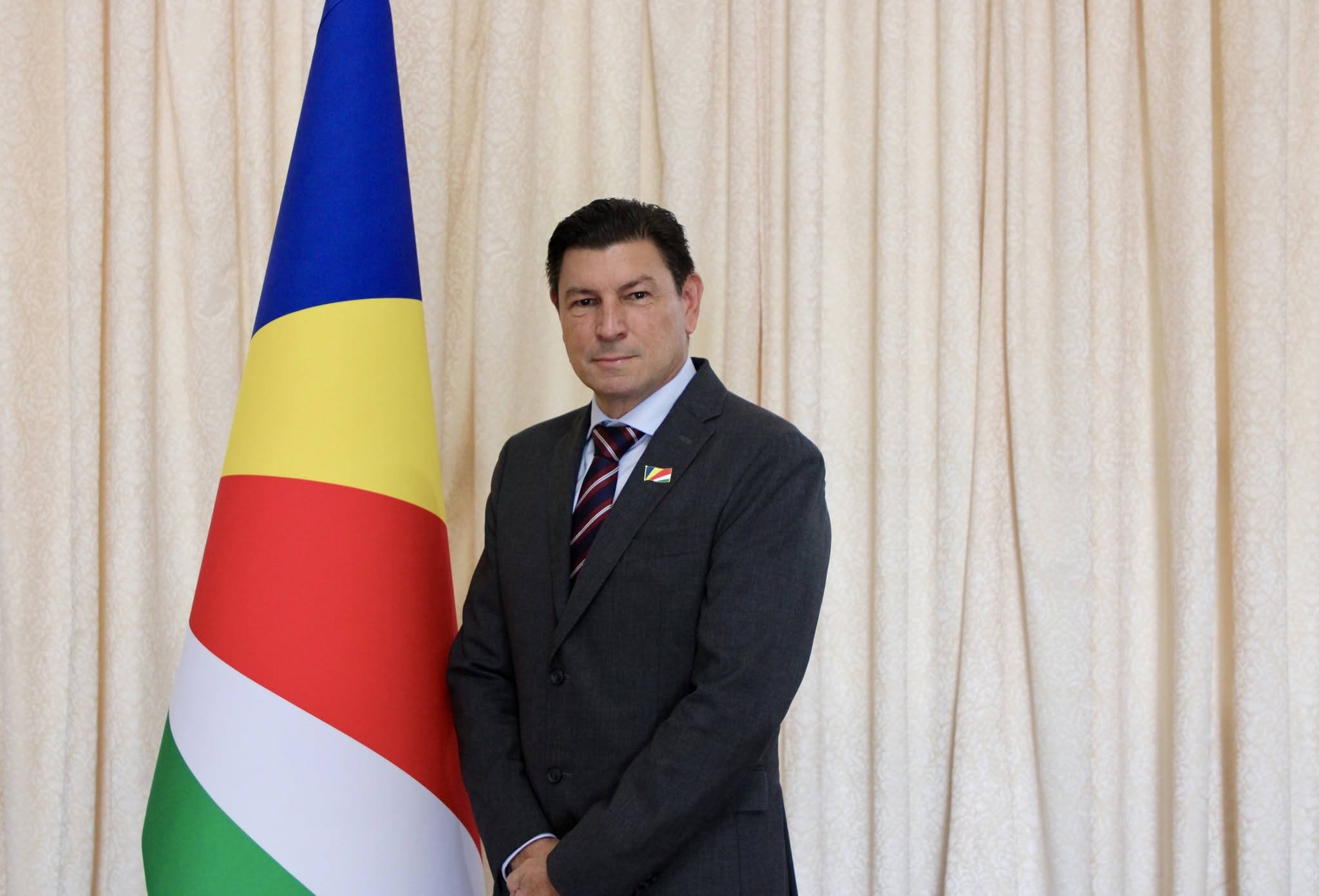
Eddie D’Offay- Chair of the new board
The Board held its inaugural meeting at Botanical House, marking the formal start of its mandate.
Beyond introductions, the session was about alignment — establishing a shared understanding of the destination’s priorities and the role of the Board in steering Seychelles’ tourism brand through an increasingly competitive global marketplace.
Discussions touched on collaboration with the private sector, maintaining destination quality, and ensuring that growth does not compromise sustainability — a balancing act Seychelles has long positioned as central to its tourism identity.
Private Sector Experience at the Helm
Chairman Eddie D’Offay brings decades of hands-on industry experience into the role. He is the Managing Director of Hôtel L’Archipel on Praslin, a family-owned property that has operated for over 30 years and is widely regarded as one of the islands’ boutique hospitality success stories.
His professional background also spans airline representation and tour operations, alongside previous leadership roles within the Seychelles Hospitality and Tourism Association (SHTA), including a term as Vice-Chairman.
His appointment reinforces a governance philosophy that places operational understanding and private sector realities at the heart of national tourism decision-making — a model increasingly advocated across African destinations.
The significance of this appointment lies not just in names, but in timing.
The Seychelles Tourism Board was dissolved in 2021 as part of a wider public sector restructuring, with its responsibilities folded into the Department of Tourism. That period allowed for consolidation, but also raised questions within industry circles about the absence of a standalone destination marketing authority.
The passage of the Seychelles Tourism Board Bill in 2026 restored the STB as a dedicated institution — re-establishing a clear separation between policy oversight and destination marketing execution.
This move aligns Seychelles with international best practice, where tourism boards operate with defined mandates, industry participation, and strategic autonomy.
A New Cycle at a Symbolic Moment
The Board assumes office as Seychelles marks 50 years of independence — a national milestone that places added symbolic weight on the institution’s work.
Beyond anniversary celebrations, the next phase of tourism will demand sharper storytelling, deeper market diversification, and renewed focus on value rather than volume.
For the new Board, the challenge will be to guide Seychelles’ tourism narrative into its next chapter — one that sustains its premium positioning, protects its natural and cultural assets, and delivers inclusive economic impact.
As global travel continues to evolve, Seychelles’ decision to strengthen governance at board level sends a clear signal: destination leadership is not optional — it is strategic.